300 Front Street West condos can appeal to buyers considering personal use alongside furnished or short-term rental strategies. The building’s property quality, downtown location, amenities, and parking make it relevant to buyers assessing a rental investment.
This article does not assume that every unit can legally operate as a short-term rental. Buyers need to verify the building’s current rules, their unit’s eligibility, and Toronto’s requirements before using an STR strategy.
The five factors covered here are rental flexibility and building considerations, property quality, location, guest-accessible amenities, and parking. Buyers should assess these factors alongside the individual unit’s purchase price, operating costs, rental potential, and intended use. Guestable provides rental management services for owners who need operational support.
Why Consider 300 Front Street West Condos for Rental Use?
300 Front Street West in Toronto is a 49-storey, 683-unit condominium in downtown Toronto. Its central location, residential setting, and range of building facilities make it relevant to buyers assessing personal use and rental opportunities.
The building’s overall setup has made it relevant to discussions of the best Toronto Airbnb condos. Buyers still need to review current condo rules, Toronto’s short-term rental requirements, and the financial details of the individual unit before making a rental decision. Property management services can support owners with rental operations after eligibility is confirmed.
1. The Building Has Rental-Friendly Characteristics
Some features of 300 Front Street West can appeal to buyers considering furnished rental use, but the building’s rental policies are only one part of the picture. Three separate checks apply, and they are not the same thing: what the condominium’s rules permit, what Toronto’s short-term rental requirements allow, and whether the specific owner and unit are eligible. A buyer should confirm all three before treating rental use as part of the plan.
- Building rental policies: Review the current condo rules to confirm which rental arrangements the building permits.
- Short-term rental eligibility: Short-term use must meet Toronto’s rules, and the owner must be eligible under them.
- Mid-term rentals: Longer furnished stays are another option where the building’s rules and any lease terms allow them.
- Guest access: Confirm how guests reach the building, the common areas, and the unit.
Concierge and check-in
Building staff and concierge services can make guest arrival and access more convenient, depending on the building’s current procedures.
For rental-focused buyers, the building’s operational setup adds value only when the intended rental strategy is permitted for that unit and owner.
2. The Building Offers a Premium Downtown Condo Product

300 Front Street West is a Tridel-built condominium, and listings for its suites describe features such as floor-to-ceiling windows, balconies, ensuite laundry, and city views. These features vary by unit, so buyers should assess the specific property and not assume the building’s overall presentation applies to every condo.
Rental listings show furnished suites advertised in the building. One furnished two-bedroom listing describes a full kitchen, in-suite laundry, a smart TV, high-speed Wi-Fi, and a balcony. A listing shows how a unit is advertised. It does not show that the building permits short-term rentals or that any owner is eligible to run one.
Unit condition has a direct effect on rental appeal. Furnishings, renovations, maintenance, and ownership history vary by unit. Owners using property management in Toronto can include unit presentation and ongoing property care in their rental strategy.
3. The Location Puts Guests Close to Major Toronto Attractions
A 300 Front Street West condo places guests in central Toronto near major attractions, business venues, entertainment, and transit. That setting fits convention trips, sporting events, concerts, sightseeing, and weekend stays.
- Metro Toronto Convention Centre: Convention attendees can stay near their event instead of travelling across the city each day.
- CN Tower: A major sightseeing stop sits close enough to fit easily into a downtown itinerary.
- Rogers Centre: The location works well for guests attending Blue Jays games and major events.
- Ripley’s Aquarium: Families can add a popular attraction to a downtown stay without a long trip.
- Union Station: GO Transit, VIA Rail, and UP Express connections make the property practical for arriving guests.
- Waterfront: Guests can reach Lake Ontario, walking routes, and recreational areas from downtown.
- Entertainment District: Restaurants, theatres, concerts, and nightlife give guests plenty of evening options.
- Public transit and PATH: Downtown travel for work, shopping, and sightseeing is easier without depending on a car.
Why This Matters for Rental Demand
The location gives a 300 Front Street West investment access to several potential guest segments. Each group uses the area differently, which can shape the type of rental demand a unit attracts.
| Guest Segment | Rental Relevance |
| Leisure | Tourists, families, couples, and weekend visitors can build sightseeing around the surrounding attractions. |
| Business | Convention attendees and corporate travellers can stay near the MTCC, Union Station, and downtown workplaces. |
| Events | Sports fans, concertgoers, and conference attendees can stay near major venues during event dates. |
A central location supports several rental use cases, but it does not guarantee occupancy or pricing. Buyers should assess the unit’s purchase and operating costs, expected demand, and applicable Toronto short-term rental regulations before choosing a rental strategy.
4. Building Amenities Can Add Value for Furnished-Rental Guests
The 300 Front Street West amenities can strengthen the overall furnished-stay experience. Their value depends on how guests use the property, from relaxing after sightseeing to keeping up with routines during longer stays.
| Amenity | Why It Matters to Guests |
| Outdoor pool | A useful leisure feature for summer stays and guests spending more time at the property. |
| Gym / fitness facilities | Convenient for business travellers and longer-stay guests who want to maintain their routine. |
| Hot tub | Adds another option for relaxing after work, sightseeing, or events. |
| Rooftop areas | Shared outdoor space gives guests another place to spend time outside their unit. |
| Common spaces | Useful for guests who want more room for casual activities or time outside the condo. |
| Concierge | Building staff can make arrival and access easier under the building’s current procedures. |
Access to these amenities depends on current building rules, guest registration, operating hours, seasonal schedules, maintenance, and other building policies. Buyers should confirm the facilities available to rental guests before including them in a unit’s rental assessment.
For investors, amenities add to the guest experience but do not replace the need to assess unit condition, location, pricing, and operating costs. Short-term rental management can support the operational side of a permitted rental strategy.
5. Underground Parking Can Be a Meaningful Guest Amenity
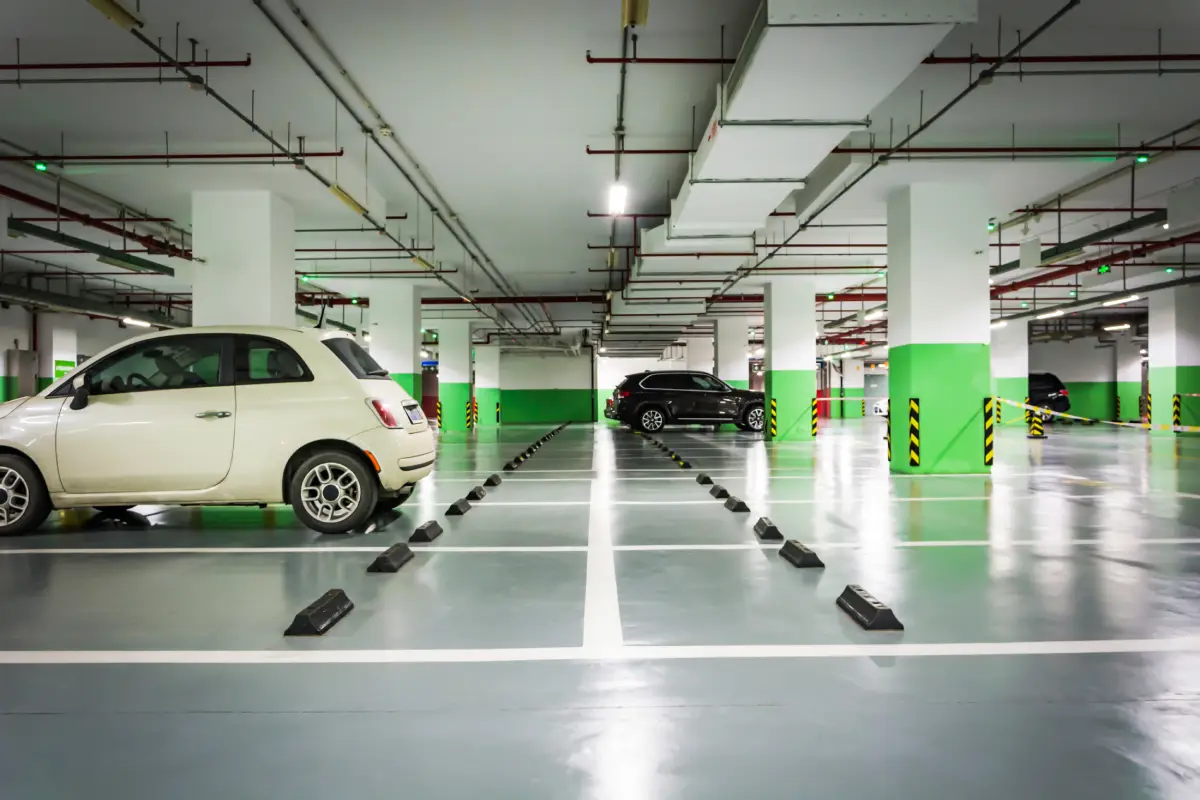
Underground parking gives 300 Front Street West a practical feature for guests arriving by car. Visitors from other parts of Ontario, Quebec, and the U.S. can benefit from having a secure parking option at the building. Families travelling by car can avoid searching for a separate parking facility, and longer-stay renters can keep their vehicle close to the condo throughout their stay.
Some furnished-rental listings at 300 Front Street West advertise secured underground parking as part of the stay. This can appeal to guests who prefer on-site parking for convenience and security. Parking availability varies by unit, so buyers should confirm whether a specific condo includes a parking space before including it in a rental assessment.
For a 300 Front Street West investment, parking can give a unit an operational advantage among furnished rentals in downtown Toronto. Its rental value depends on the unit’s parking rights, target guests, and rental strategy.
What Buyers Should Verify Before Purchasing 300 Front Street West for Rental Use
A 300 Front Street West investment requires a review of building rules, Toronto rental requirements, unit costs, and the intended rental model. Buyers should verify these factors before purchasing a condo for rental use.
Building Rules
Review the building’s current documents and rental procedures:
- Declaration and bylaws: Confirm rules governing rentals and unit use.
- Rental restrictions: Check minimum lease terms and limits on rental activity.
- STR rules: Confirm whether short-term rentals are permitted for eligible owners.
- MTR requirements: Check minimum stays and rules for furnished rentals.
- Guest access: Confirm procedures for guest entry and registration.
- Parking rules: Verify whether parking can be used by tenants or guests and whether it transfers with the unit.
- Amenity access: Confirm which facilities rental guests can use.
- Rental caps: Check for limits that could affect rental use.
Toronto Requirements
Toronto’s current short-term rental rules permit short-term rentals only in an operator’s principal residence. Condo owners must confirm that the building’s declaration, bylaws, and rules permit short-term rentals before operating a 300 Front Street West short-term rental. Buyers should verify their eligibility with the City and the building before purchasing with an STR plan.
Unit-Level Considerations
Review the costs tied to the specific condo:
- Purchase price
- Condo fees
- Property taxes
- Parking
- Furnishing
- Utilities
- Insurance
- Maintenance
- Cleaning
- Management
- Financing
Rental Strategy
The rental model should match the unit’s eligibility, building rules, costs, and intended use. A 300 Front Street West mid-term rental can suit furnished stays that meet the applicable lease requirements. Owners planning this approach can use mid-term rental management for ongoing rental operations. Longer-term leasing can be another option where permitted, and short-term stays remain limited to units and owners that meet current Toronto and building requirements.
Is 300 Front Street West a Good Rental Investment?