Home > Blog > How to Set Up Your 300 Front Street West Unit for Airbnb & Short-Term Rentals

How to Set Up Your 300 Front Street West Unit for Airbnb & Short-Term Rentals

Table of Contents

Setting up a 300 Front Street West Airbnb takes more than attractive furniture. The unit has to work with its layout, available space, guest capacity, downtown location, building amenities, parking, storage, and repeated guest use.

Furniture placement should give guests room to move comfortably. Durable furnishings, practical storage, useful technology, and a clear arrival setup make the unit easier to use and maintain between stays. The setup should match the guest the unit targets, whether tourists, business travelers, event attendees, or longer-stay guests.

Before preparing the property, owners should confirm that their unit and rental arrangement meet current Toronto short-term rental requirements and the building’s condo rules. Guestable supports permitted rental operations through guest communication, property care, and recurring operational coordination.

Start With Your 300 Front Street West Unit’s Layout

Published floor plans for 300 Front Street West run from lofts of about 445 sq. ft. to penthouses of about 2,660 sq. ft., so a furniture plan that works in one suite can fail in another. Get the floor plan for the specific unit, measure the rooms, and then choose furniture. The layout family sets the starting point:

  • Lofts, about 445 to 730 sq. ft.: Space is the limit. A sofa bed or compact sofa with a drop-leaf or wall-mounted table usually works better than a full dining set. In the smallest lofts, one surface can serve as both desk and dining table. Use vertical storage, such as shelving and under-bed bins, so luggage does not take up floor space.
  • 1-bedrooms, roughly 580 to 660 sq. ft.: Size the bed to the bedroom first, then fit the living area around it. A sofa bed adds sleeping capacity only where the living area can hold it and keep a clear path to the kitchen and balcony.
  • 1-bedroom + den, about 647 to 775 sq. ft.: The den decides the setup. Read the plan to see whether it has a door and a window. A den with both can hold a daybed or a desk, and an open den suits a desk better than a bed. Do not market a den as a second bedroom.
  • 2-bedrooms, about 765 to 932 sq. ft.: Furnish the two bedrooms for the guest groups the unit targets, for example a queen bed and twin beds that can be pushed together. Check each bedroom’s bathroom access in the plan before assigning rooms, and size the dining table to the living area, not to the maximum guest count.
  • 2-bedroom + den, about 988 to 1,024 sq. ft.: The den can take a dedicated desk, which frees the living area for seating and dining. This setup suits longer stays and guests who work during the trip.
  • 3-bedrooms and penthouses, about 1,051 to 2,660 sq. ft.: These plans take more furniture and more planning to feel cohesive. Plan larger seating and dining areas, confirm the bathroom count, and keep the style consistent from room to room.

Exposure changes the setup too. The published models face east, west, south, and north in various combinations. East-facing bedrooms usually get morning sun, so blackout window coverings matter more. West-facing living areas get afternoon and evening sun, so check for screen glare and heat. Confirm the exposure from the unit’s plan.

Use the Floor Plan to Guide Furniture Placement

Mark potential furniture positions on the unit’s floor plan before making purchases. Trace the walking path from the entrance to the kitchen, bathroom, and balcony where the plan has one, and keep it clear. A narrow living area calls for a smaller sofa and a compact dining setup, and an open layout may take separate seating and a workspace. After reviewing the plan, measure the actual unit and confirm door swings, window positions, outlets, and built-in features. Assign accessible closet space to guests, and keep owner supplies and cleaning equipment in a separate closet or cabinet. This guide to how to furnish a short-term rental covers the setup steps that apply to any unit, and Guestable’s property management services support permitted rental operations.

Choose Furniture That Fits the Building and the Guest

Furniture should match the quality of the 300 Front Street West unit without reducing comfort or usable space. As a premium downtown condominium, the building calls for thoughtful furniture and finishes rather than basic rental pieces. Higher prices do not guarantee better rental results, so focus on durability, proportion, comfort, and repeated guest use.

AreaWhat to AddSetup Guidance
Living roomSofa, coffee table, side tables, TV console, lighting, accent chair where space allowsChoose seating that fits the room and leaves the main walking path clear. Add an accent chair only if enough floor space remains.
BedroomBed frame, mattress, nightstands, bedside lighting, blackout curtains or blinds, closet organizationSelect a bed size that leaves usable space around it. Keep outlets accessible and leave closet space for guest belongings.
Dining areaDining table and comfortable chairsMatch the table size to the available floor area. Use a compact setup if a larger table restricts movement between the kitchen and living area.
WorkspaceDesk, comfortable chair, power access, lightingUse a suitable corner or section of the unit without reducing the main living area. Place the desk near power access and natural light where practical.


A practical short term rental furnishing plan should start with measurements and focus on pieces that fit the unit and withstand regular use. Apply the same approach to the broader short term rental setup, including furniture placement, guest storage, and workspace. Owners using short-term rental management can include furniture condition and property upkeep in their ongoing rental operations.

See What Your 300 Front Street West Rental Could Earn

Unit layout, furniture choices, and guest capacity can shape a rental’s setup and income potential. A rental estimate gives owners a starting point for assessing the property before investing in its short-term rental setup.

Build the Unit Around the Guest Experience
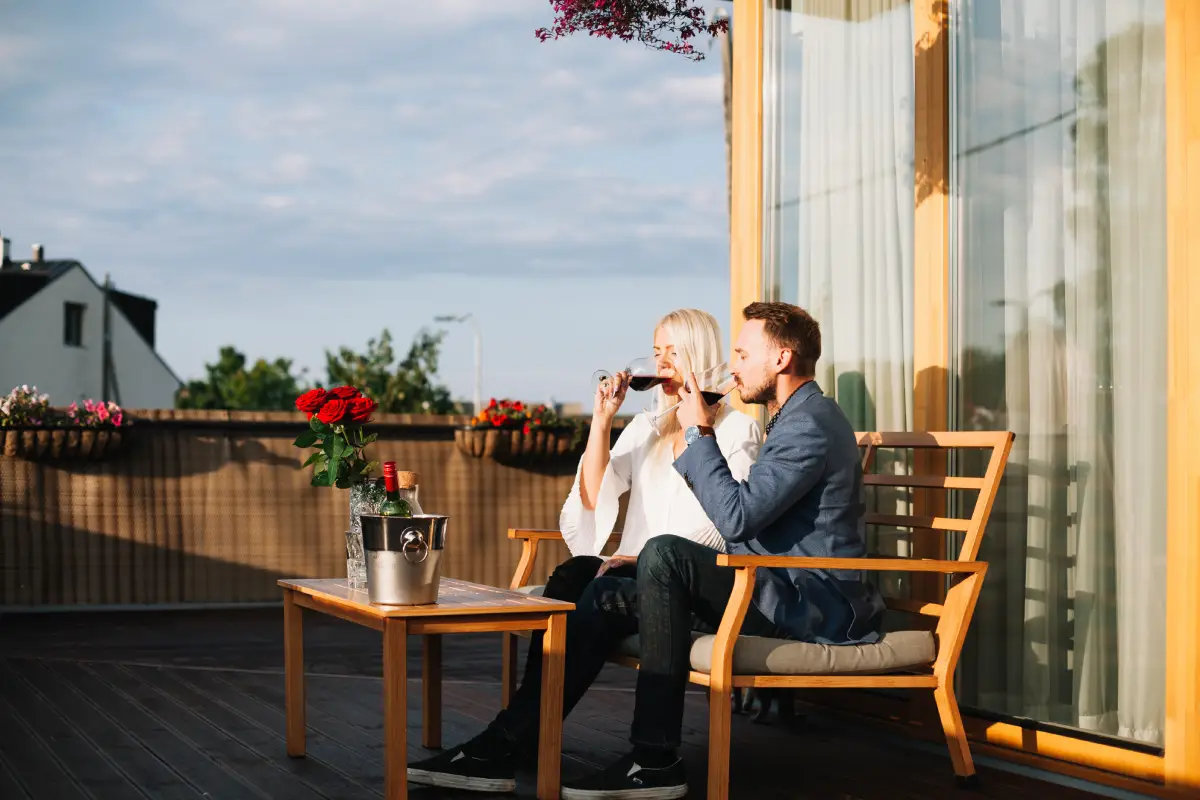
A couple sitting by a large window enjoys drinks and snacks, looking out at a scenic view of the city


A 300 Front Street West short-term rental should reflect how guests use the unit during a typical stay. Instead of filling each room with standard Airbnb items, owners should think through common guest situations and set up each space around those needs.

  • Arrival: A guest arriving with luggage should have enough room to enter, put their bags down, and access the unit without moving furniture. Keep the entryway open and use a key or entry system that follows current building rules.
  • Living: After travelling, guests need a comfortable place to sit, connect to Wi-Fi, charge their devices, and relax. Position the sofa and TV for practical viewing, and keep charging access within reach.
  • Sleeping: Guests should have enough room to move around the bed and keep personal items nearby. Use a comfortable mattress, suitable pillows and linens, blackout window coverings, and bedside lighting.
  • Working: A guest working remotely needs a stable internet connection, a usable surface for a laptop, suitable lighting, and access to power. Place the workspace where it does not interfere with the main living area.
  • Cooking: Guests staying for several nights may prepare breakfast, make coffee, or cook a simple meal. Keep the cookware, tableware, utensils, and basic appliances they need easy to find.
  • Bathroom: Guests should have enough room for their towels and personal items without moving supplies out of the way. Keep toiletries and a hair dryer accessible, with storage arranged around normal daily use.

Make the Most of 300 Front Street West’s Amenities

A 300 Front Street West Airbnb does not need to duplicate amenities already available in the building. Shared facilities such as the gym, pool, hot tub, rooftop areas, and visitor parking can handle many recreational needs, leaving the unit to focus on comfort, storage, workspace, and other features guests use inside the condo. A guest working remotely, for example, benefits more from a practical desk than exercise equipment that duplicates the building gym.

Owners should verify current amenity availability, operating hours, seasonal closures, guest access rules, and registration or access requirements before listing these facilities. Building policies can change, so amenity access should reflect current rules. Mid-term rental management and property management in Toronto can support permitted rental operations with these building requirements in mind.

Create a Practical Kitchen Setup

A short-term rental kitchen should cover everyday guest needs without filling every cabinet or counter. Set it up around how guests are likely to use the space during a short stay.

  1. Dining essentials: Provide enough plates, bowls, drinking glasses, wine glasses where appropriate, mugs, and cutlery for the unit’s guest capacity.
  2. Cookware: Keep a practical selection of pots, pans, cooking utensils, and a cutting board available for basic meal preparation.
  3. Food preparation: Add basic tools guests are likely to use, such as a can opener, measuring tools, kitchen knives, and other simple preparation items.
  4. Coffee and tea: Set aside a clear area for coffee or tea equipment, with the necessary cups and supplies kept nearby.
  5. Storage and cleaning: Keep dishware organized in accessible cabinets and provide basic cleaning supplies for guests who need to clean up after meals.

Add Storage Without Making the Unit Feel Crowded

A woman decorates a modern wooden and metal bookshelf, placing dried grass stems into a vase.

Storage should give guests room for luggage, clothing, toiletries, and everyday belongings without taking over the condo. Keep part of the bedroom closet available for guests, leave empty drawers for smaller items, and use under-bed storage where practical. An entryway can hold a compact luggage rack or coat hooks, and bathroom storage should leave space for personal toiletries. Kitchen cabinets should keep frequently used items accessible without filling every shelf. A clear luggage area can prevent bags from ending up in the living room or blocking walkways.

Invest in the Details Guests Notice

Small details can make the unit feel more comfortable and considered. Quality bedding, blackout curtains, layered lighting, convenient outlets, and USB charging options support common guest needs throughout the stay. A full-length mirror, coat hooks, luggage rack, and complete set of towels add practical value without taking up much space. Simple décor, plants, local artwork, and useful kitchen accessories can give the condo character without creating unnecessary clutter. These details can contribute to a more comfortable and polished guest experience.

Choose Airbnb Furniture for Durability, Not Just Appearance

Airbnb furniture needs to handle frequent guest use and regular turnover. Choose pieces that are easy to clean, maintain, and repair rather than selecting furniture based on appearance alone.

Furniture FeatureSetup Guidance
Easy-to-clean upholsteryChoose materials that handle regular cleaning and spot treatment.
Durable constructionSelect furniture that can withstand repeated guest use without becoming difficult to maintain.
Replaceable componentsFavor pieces with cushions, covers, hardware, or other parts that can be replaced separately.
Washable rugsUse rugs that can be cleaned regularly and replaced without a major furnishing expense.
Stain-resistant materialsChoose finishes that are less likely to show everyday spills and marks.
Accessible replacement partsCheck that common hardware or replacement pieces are available before buying.
Simple décorLimit fragile decorative pieces that require frequent replacement.
Practical surfacesFavor surfaces that are easy to wipe down and maintain between stays.


A practical setup balances appearance, comfort, durability, and maintenance rather than focusing on luxury alone.

Prepare the Unit for Professional Photography

A father and his two children smiling while cleaning the living room together, using a vacuum and lifting a rug.

The unit should look organized and functional in every photo. Prepare each room before the shoot so the images reflect the space guests will actually use.

  • Remove unnecessary furniture: Take out pieces that restrict movement or make rooms feel smaller.
  • Declutter surfaces: Clear kitchen counters, tables, nightstands, and bathroom surfaces of unnecessary items.
  • Make beds consistently: Use clean, coordinated bedding and arrange pillows neatly.
  • Use natural light: Open curtains where appropriate and turn on relevant lighting to show the space clearly.
  • Stage the dining area: Set the table simply to show how guests can use the space.
  • Keep décor intentional: Leave useful or visually relevant pieces in place and remove items that create clutter.
  • Show useful amenities: Photograph features guests can use, guided by an Airbnb essentials checklist.
  • Show smart features accurately: Include an Airbnb smart home setup in photos if the unit has relevant technology.
  • Photograph the actual space: Show the real layout, finishes, views, and amenities without misleading angles or edits.
  • Highlight unit-specific features: Photograph city views, CN Tower views, large windows, balconies, distinctive layouts, or premium finishes only when they exist in the unit.

Don’t Forget Parking and Building Logistics

Parking and building access should be part of the rental setup. Owners should confirm whether their 300 Front Street West unit includes parking and whether guests can use that space. Guest instructions should cover parking location, visitor parking rules, access procedures, elevator use, concierge procedures, package deliveries, and waste or recycling. Clear instructions connect the physical condo setup with the daily operation of the rental.

300 Front Street West Airbnb Setup Checklist

Use this checklist to review the unit before listing it for short-term rental.

Furniture

  • Sofa
  • Dining furniture
  • Beds and mattresses
  • Nightstands
  • Appropriate lighting
  • Workspace where practical

Guest Essentials

  • Quality bedding
  • Towels
  • Kitchen essentials
  • Toiletries
  • Hair dryer
  • Hangers
  • Luggage storage
  • Charging access

Technology

  • Reliable Wi-Fi
  • Smart TV or suitable entertainment
  • Charging points
  • Clear technology instructions

Building Logistics

  • Guest access procedure
  • Concierge and building procedures
  • Amenity rules
  • Parking information
  • Waste and recycling instructions

Presentation

  • Professional photography
  • Decluttered rooms
  • Consistent décor
  • Functional furniture placement
  • Accurate listing details

      Get Your 300 Front Street West Rental Ready

      Set up the unit with practical furnishings, guest essentials, and building procedures in place before welcoming guests.

      Check Toronto’s Short-Term Rental Rules Before You Launch

      Confirm the unit’s eligibility before listing a 300 Front Street West Airbnb. Toronto requires short-term rentals to operate from a principal residence, with City registration and applicable night limits. Condo owners must confirm that their condominium bylaws and building rules permit short-term rentals. Check current tax and registration requirements before launch. The Toronto Short-Term Rental Regulations guide covers the detailed requirements.

      When Your 300 Front Unit Is Ready, Think About Operations

      Preparing the condo is one part of running a short-term rental. After launch, the property needs ongoing work: listing updates, pricing, guest communication, cleaning coordination, maintenance requests, and property checks. An Airbnb essentials checklist helps confirm the unit is ready for guests. Guestable supports permitted rental operations by coordinating guest communication, cleaning, and maintenance requests. Its role is operational support. Compliance, property condition, and rental decisions stay with the owner.

      Ready to Put Your 300 Front Street West Rental Into Operation?

      Get support with guest communication, cleaning, maintenance, pricing, and the ongoing work required to manage a short-term rental.

      Frequently Asked Questions

      Start with the unit's layout and the building's rules, then match furniture scale, guest storage, technology, and photography to the space. Confirm current building amenities and arrival procedures so guests receive accurate check-in information. 

      Furnish the unit around its actual layout, with durable furniture, comfortable sleeping arrangements, practical storage, and features suited to the building's guest profile.

      Include practical furniture, kitchen supplies, quality bedding, bathroom essentials, reliable technology, guest storage, and clear information for using the unit and building.

      The right investment depends on the unit's size, existing furnishings, target guest, desired quality level, and rental strategy. Base the furnishing plan on the property's actual needs rather than an arbitrary budget.

      The living room needs comfortable seating, the bedroom needs a suitable bed and bedside furniture, and the dining area needs practical seating. Add a workspace where the layout allows.

      Eligibility depends on current Toronto short-term rental rules, principal-residence requirements, and applicable condominium and building rules. Confirm these requirements before listing the unit.

      The building's downtown location, amenities, layouts, and guest-oriented features can make it relevant for short-term rental use. Suitability depends on the specific unit, current regulations, costs, and rental strategy.

      Table of Contents

      Ready to maximize your rental income?

      Get a personalized earning estimate and expert insights tailored to your property.

      Work with a trusted short-term rental property management team with real market experience.