Many people consider 300 Front Street West one of the best-located condo buildings in downtown Toronto. The location brings major attractions, transit connections, business districts, convention facilities, entertainment venues, shopping, restaurants, and the waterfront into one compact downtown area.
For 300 Front Street West rentals, this location can make daily travel easier for different types of guests. Convention attendees can stay close to event facilities, business travelers can reach downtown offices, and tourists can access major attractions without spending much time traveling across the city. Sports and concert guests can reach nearby venues, and longer-stay guests can access restaurants, shopping, transit, and other daily services.
The location can be particularly useful for Toronto furnished rentals, where guests often need convenient access to work, entertainment, dining, and everyday services throughout a longer stay. Guestable helps owners manage permitted rental operations based on the property and its guest profile.
This guide examines the main location advantages of 300 Front Street West and explains how each one can fit different rental guest needs.
Why 300 Front Street West Is Considered Such a Prime Toronto Location
300 Front Street West Toronto gives rental guests a central downtown base with major destinations close by. Union Station, the waterfront, the Entertainment District, and the Metro Toronto Convention Centre are all within easy reach, making daily travel simpler for visitors who plan to spend much of their stay downtown.
The location suits guests with different reasons for visiting Toronto. A convention attendee can walk to an event, a tourist can reach major attractions without lengthy trips, and a longer-stay guest can access restaurants, shops, transit, and everyday services nearby. This convenience is one reason the building attracts attention from buyers and renters. Property management services can support owners with the ongoing work involved in managing a permitted rental.
Across the Street From the Metro Toronto Convention Centre
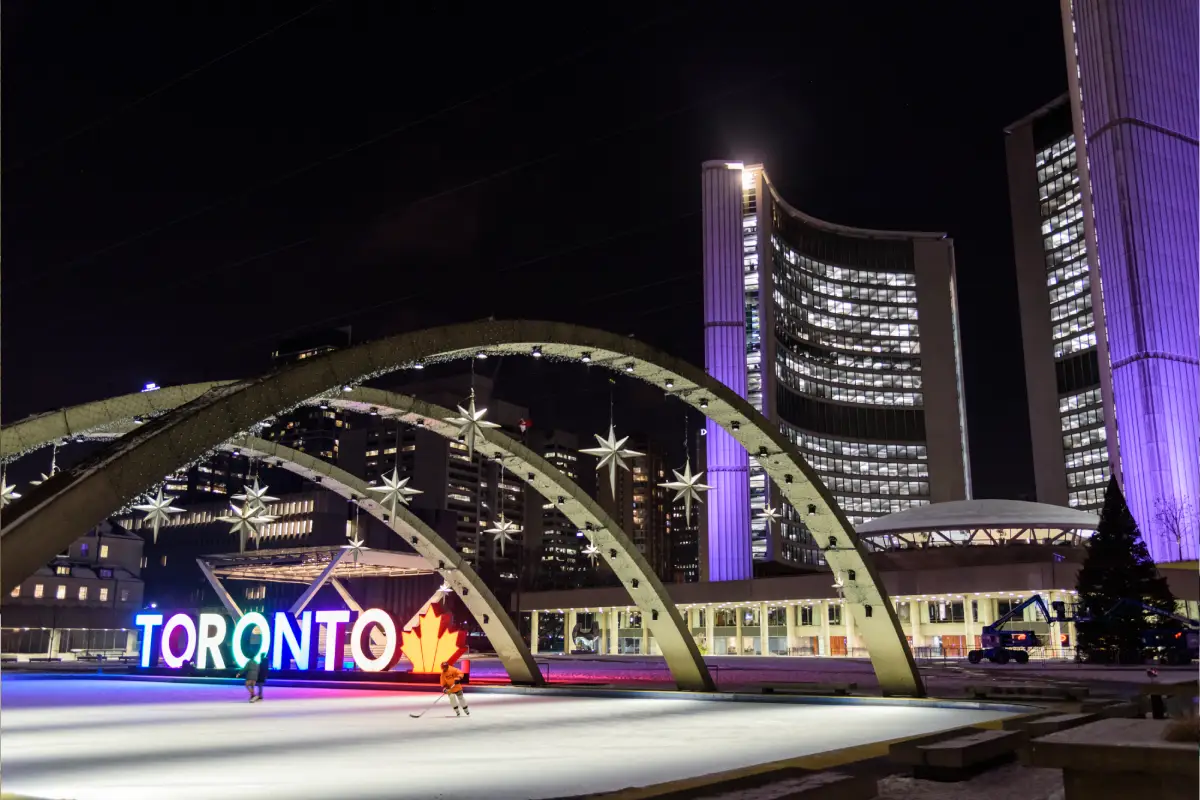
The Metro Toronto Convention Centre sits directly across from 300 Front Street West, giving guests a convenient base for conferences, trade shows, corporate events, and multi-day gatherings. The centre connects with Union Station through Front Street and the SkyWalk, making the area easy to reach without relying on a car.
Recent events show the range of visitors this location can serve. Fan Expo Canada attracts large crowds to the MTCC each year, and TIFF: The Market brings film industry professionals to the convention centre. Technology events such as SecTor draw attendees who often have scheduled activities across several days.
The location can appeal to:
- Conference attendees: Walking to morning sessions can simplify the daily routine, especially during a multi-day conference.
- Trade show exhibitors: Staying across the street gives exhibitors quick access to the venue before opening hours and after the show closes.
- Corporate travelers: Guests with meetings or company events at the centre can keep their accommodation close to their schedule.
- Multi-day event guests: A nearby rental gives visitors a place to return between sessions without adding a long trip to the day.
- Event-related visitors: Guests attending a specific convention can choose accommodation based on how easily they can reach the venue.
For owners assessing 300 Front Street West rentals, the convention centre adds a clear location advantage for event-based stays. The benefit comes from convenience and access rather than an assumption that every event creates higher rental rates.
Close to the Waterfront and Queens Quay
300 Front Street West is a short walk from Toronto’s waterfront. Queens Quay and Harbourfront sit just to the south, so guests get downtown convenience and lake access from the same address. Harbourfront Centre offers events, restaurants, patios, and lakefront views, and the Martin Goodman Trail and Waterfront Trail run along the shoreline with a dedicated cycling route on Queens Quay.
This access suits leisure travelers, couples, and families who want walkable activities, and longer-stay furnished guests who like a daily routine of walks, runs, and dinners by the water. Guests can do all of it without a car or rideshare, which makes the stay more convenient. It adds to the location’s appeal for these guest types, but it does not guarantee occupancy or rates, and it has no bearing on whether a unit is eligible for short-term rental.
Between Union Station and Toronto’s Financial District
Union Station, Toronto’s main transportation hub, is right beside the building. It connects regional rail, the TTC subway and streetcar network, and airport transit, so guests can reach most of downtown and the surrounding region without a car. The Metro Toronto Convention Centre’s official directions confirm the route from the station to the convention centre via Front Street and the SkyWalk, and the Financial District is a short trip away.
Business travelers, corporate guests, commuters, event attendees, and anyone visiting several parts of the city benefit most. A centrally located rental reduces the friction of getting around Toronto. Owners can compare options in the best Toronto Airbnb condos guide or speak with a property management Toronto team about how location fits a rental strategy. Short-term rental eligibility still depends on the City’s rules and the building’s policies.
Steps From the CN Tower and Ripley’s Aquarium
The CN Tower, at 290 Bremner Boulevard, sits between Rogers Centre and Ripley’s Aquarium and is accessible from Union Station via the SkyWalk. First-time visitors get Toronto’s best-known attractions in one cluster, so a full day of sightseeing does not require long trips across the city. That helps families, who can keep a day with children simple, and couples and international travelers, who tend to build a short trip around the major sights. Staying close to the cluster lets these guests spend their time at the attractions instead of in transit.
Next to Rogers Centre and Close to Scotiabank Arena
Walking distance to a major venue is most valuable to guests whose trip revolves around a Blue Jays game, a concert, or another large event. These guests avoid parking, rideshare surge pricing, and a long trip home after a late finish. Not every event produces higher demand, but event dates can shape booking patterns, and guests who travel to Toronto specifically for an event often look for accommodation near the venue first.
Surrounded by Shopping From Queen West to the Eaton Centre
Guests need more than attractions. They need groceries, clothing, travel supplies, gifts, and everyday purchases, and downtown Toronto covers all of them from Queen West to the Eaton Centre, on foot or a short transit ride away. That matters to guests without a car, who rely on reaching stores easily. Families and international visitors use it to pick up what they forgot or need, and longer-stay furnished guests use it to run a normal household routine during their stay.
A Wide Variety of Restaurants Within Walking Distance
The downtown area around the building offers casual and fine dining, international cuisine, cafes, bars, quick meals, and takeout, so guests are never limited to one option. Choice matters more as the stay gets longer. A guest staying several nights or weeks will not want to repeat the same meal or cross the city for every dinner. Furnished and mid-term guests benefit most, since they are living in the neighborhood rather than only visiting it.
What Types of Rental Guests Benefit Most From the Location?

The location does not suit every guest equally. Each guest type below links to the location advantages that matter most to that guest.
- Convention and Business Travelers: Access to the Metro Toronto Convention Centre, Union Station, the Financial District, and downtown connectivity cuts travel time between the unit, the venue, and meetings.
- Leisure Travelers: The CN Tower, Ripley’s Aquarium, the waterfront, restaurants, and entertainment sit close together, so guests can see the main sights without long trips. These guests often search for an Airbnb near CN Tower Toronto when planning a first visit.
- Sports and Event Travelers: Rogers Centre, Scotiabank Arena, and other downtown venues make the location convenient for guests whose trip centres on a game, concert, or major event.
- Families: Nearby attractions, restaurants, transit, walkable streets, and waterfront activities keep days simple and reduce the logistics of travelling with children.
- Longer-Stay and Furnished Rental Guests: Restaurants, shopping, transit, entertainment, the waterfront, and central business access support a normal daily routine over several weeks. This is the guest group most likely to look at furnished rentals in downtown Toronto.
Guest fit depends on the individual unit as well as the building’s location. Layout, bedroom count, furnishings, and setup decide which of these guests a unit can serve well. A one-bedroom may suit business travelers and couples, and a larger unit may suit families and longer stays. Location sets the opportunity, and the unit determines how well an owner can use it.
Why Location Matters for 300 Front Street West Rentals
When evaluating 300 Front Street West rentals, owners should look at more than the unit itself. A strong location shapes the guest experience by making daily needs easier to reach. Location is only one part of rental suitability, and it does not by itself produce higher revenue.
| Guest Need | Why Location Matters |
| Work | Short trips to downtown offices and meetings suit business and corporate stays. |
| Events | Walkable access to conferences, games, and concerts matters most when a trip revolves around one event. |
| Attractions | Major sights close together keep a first visit or family trip simple. |
| Transportation | Easy rail, subway, and airport links reduce the need for a car, especially for visitors arriving from out of town. |
| Dining | Many meal options nearby support longer stays, where repeat meals become a concern. |
| Shopping | Easy access to everyday items and gifts supports families, international visitors, and furnished stays. |
| Entertainment | Shows, venues, and nightlife nearby give shorter and longer stays something to do after the main plans are done. |
| Outdoor areas | Waterfront paths and parks give longer-stay guests room for a daily routine. |
Several unit and ownership factors matter just as much as location:
- Unit layout, condition, and furnishing quality: These determine which guests the unit can serve well.
- Amenities and parking: Guests may weigh these differently depending on the stay.
- Building rules and rental eligibility: These decide whether and how a unit can be rented.
- Operating costs and rental duration: These shape how a rental strategy works in practice.
Location sets the opportunity, and the unit and its rules decide how well an owner can use it.
Is 300 Front Street West Actually Suitable for Short-Term Rentals?
An attractive location does not mean a condo can legally operate as a short-term rental. Toronto defines a short-term rental as accommodation rented for less than 28 consecutive days, and operators must register with the City. Short-term rentals are limited to the operator’s principal residence, and an entire-unit rental can operate a maximum of 180 nights per calendar year. Condo owners must confirm that their condominium’s bylaws and rules permit short-term rentals. Owners can review the City’s requirements in more detail in this guide to Toronto rental regulations.
The building’s location may make it attractive to rental guests, but owners must verify separately whether their specific unit and circumstances meet Toronto’s current requirements and the condominium’s rules. Owners whose unit does not qualify for short-term use may consider stays of 28 days or longer, and the right fit depends on the unit and the owner’s situation. Guestable offers short-term rental management and mid-term rental management for owners who want to compare these approaches.