Thinking about joining Toronto’s booming short-term rental market? Before listing your property on Airbnb, it’s crucial to understand the city’s licensing requirements. Getting a valid Airbnb license Toronto isn’t just about avoiding fines—it’s the foundation for running a successful, legal rental business. This 2026 guide breaks down how to apply, who qualifies, and what documents you’ll need to streamline the process from day one.
If you’re wondering how to get Airbnb license Toronto and stay on the right side of the law, you’re in the right place.
Who Needs a Short-Term Rental License in Toronto?

Any individual, partnership, or corporation planning to rent out a property for fewer than 28 consecutive days must have a short-term rental license in Toronto. This includes listings on Airbnb, VRBO, or Booking.com. Even if you’re renting out a single room occasionally, Toronto’s bylaws require registration.
Here’s the thing: the city is serious about enforcement. Hosting without a valid license can lead to hefty fines, so it’s worth getting it right from the start.
Eligibility: Can You Apply for an Airbnb License Toronto?
To qualify in 2026, you need to meet all the following criteria:
- Be at least 18 years old.
- Use the property as your principal residence.
- Prove that the address is your legal home (think government ID, utility bills, or official documents).
This applies whether you own or rent. If you’re a tenant, make sure to check your lease agreement and the Residential Tenancies Act before proceeding—some leases may have restrictions on short-term leases in Toronto.
What Properties Are Eligible for Short Term Rentals Toronto?
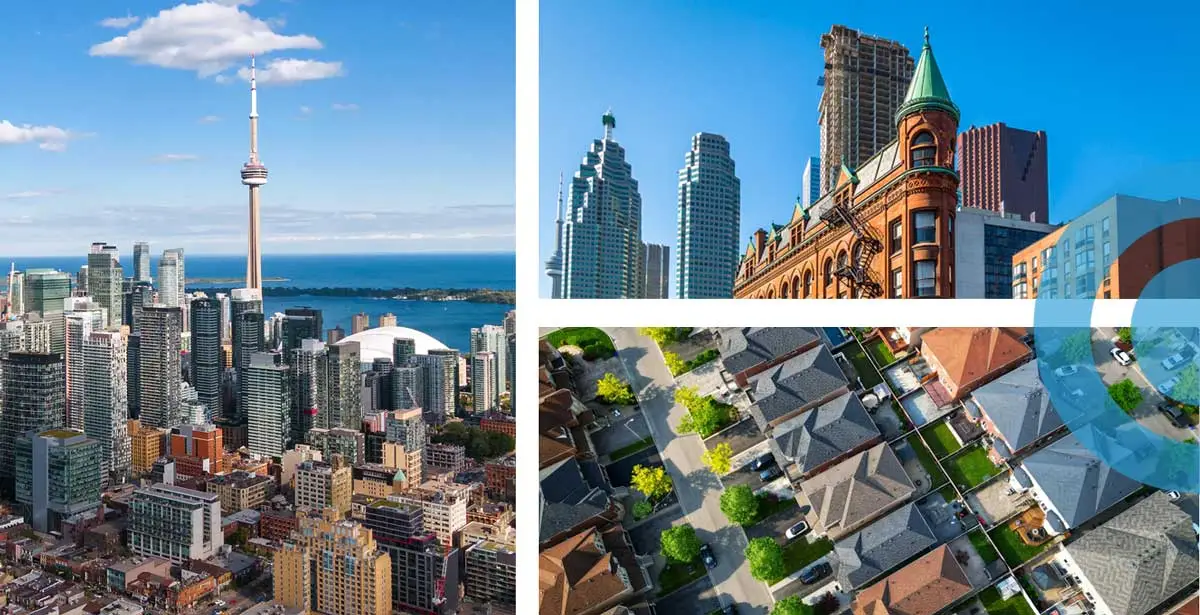
In Toronto, only your principal residence is eligible for short term rentals, so it’s important to understand the rules for different property types. Let’s break it down:
Condominiums
If you live in a condo, your first step is to check your building’s bylaws. Some condominiums explicitly prohibit Airbnb-style rentals, while others allow them with certain conditions. Even if your condo allows it, you’ll still need to complete Airbnb registration Toronto and obtain a short term rental license Toronto to comply with city regulations. Knowing the rules upfront can save you fines and headaches later.
Apartments or Townhouses
If you rent an apartment or townhouse, it’s essential to confirm with your landlord or property manager whether short-term rentals are permitted. Many leases restrict subletting or short term lease Toronto arrangements, so violating this could lead to eviction. Once approved, you’ll still need to ensure your property meets all requirements for short-term rentals, including fire and safety codes.
Secondary or Basement Suites
You can only rent a secondary suite, basement unit, or extra space if it’s your primary residence. Toronto’s bylaws don’t allow landlords to rent out additional homes for short-term stays. Even with your main residence, you must complete Airbnb registration Toronto and obtain a valid short term rental license Toronto to host legally.
Laneway Suites
Laneway suites are becoming popular, but they’re treated like any other principal residence. You can only list your laneway suite for short-term rentals if it’s your full-time home. This means you must live there and follow all Airbnb regulations Toronto. Compliance is key to avoiding fines or license revocation.
Bed & Breakfasts (B&Bs)
Operating a B&B comes with specific rules, including completing proper Airbnb registration Toronto and following all Airbnb regulations. Even if you’re offering a short term lease Toronto, maintaining high standards of Airbnb customer service and guest safety is essential for compliance. Partnering with professional vacation rental property management can streamline bookings, guest communication, and property maintenance for a seamless hosting experience.
Important: Secondary homes or investment properties aren’t eligible. Toronto takes this seriously—listings that violate this can be removed, and fines can apply.
Accurate Listing Information Is Key
Here’s a tip: mismatched information is the most common reason listings get suspended. Make sure:
- Your registration number is displayed clearly on your Airbnb listing.
- The address matches your license, including unit number and postal code.
- The legal name on file aligns with your government ID.
This helps avoid unnecessary headaches and ensures you stay compliant with Airbnb regulations Toronto.
How to Register for a 2026 Airbnb License Toronto?
Here’s the step-by-step process for securing your Airbnb business license:
1. Visit the City of Toronto Online Portal
All registration must be done online, so keep your documents ready.
2. Provide Required Information
You’ll need:
- Ontario government-issued ID (driver’s license or photo card).
- Property address and contact details.
- Emergency contact available 24/7.
- Details about the property and which part you’re renting.
3. Complete the Alternate Contact Consent Form
Make sure your emergency contact agrees in writing. The city requires proof of consent.
4. Pay the Registration Fee
The 2026 fee is $375 (subject to change). Only credit card payments are accepted.
5. Certify Compliance with Codes
You’ll need to declare that your property meets Ontario Building and Fire Code standards.
What Happens After You Register?
Once submitted:
- The city reviews your application and may conduct a property inspection.
- You’ll get a registration number via email once approved.
- You cannot host guests legally until your license is issued.
Quick note: If your license was revoked previously, there’s a 12-month waiting period before you can reapply.
Tips for a Smooth Registration Process

- Double-check your listing address across all platforms to avoid mismatches.
- Make sure your Airbnb name matches your government ID.
- Keep copies of consent forms and registration confirmations handy.
- Consider using Airbnb property management services for easier compliance and operations.
By the way, if managing your rental alone feels overwhelming, working with an experienced Airbnb management Toronto company can save time and stress. They can handle everything from bookings to Airbnb price optimization while keeping your operation fully compliant.
Getting started with short-term rentals doesn’t have to feel overwhelming. If you’re wondering how to get Airbnb license Toronto, this 2026 guide will walk you through the process. By completing your Airbnb business license application and following the city’s short-term rental license Toronto requirements, you can launch your rental legally, avoid costly fines, and start maximizing your property’s income with confidence.
If you’re serious about hosting but want a stress-free experience, partnering with Guestable—a trusted toronto vacation rental management company can make a world of difference. They’ll ensure everything runs smoothly while helping you attract more guests and grow your business.