Most homeowners do not realize that their standard coverage stops at the front door when a paying guest arrives. If you rent out your property, you are running a business. So, you need the best short term rental insurance to keep your assets safe from unexpected risks.
The rise of online booking sites has turned many homes into commercial spaces, which changes how much risk your property faces. Without proper financial backing, a single accident could drain your savings. Finding a dedicated policy is the smartest way to keep your investment safe.
How to Find the Best Short Term Rental Insurance for Your Property
Choosing the right protection requires you to look at how often you host guests and what kind of risks you face daily. You should treat your rental as a professional business to ensure you do not lose money on unpaid claims.
Finding the best short term vacation rental insurance starts with a clear plan. You need to decide if an owner-occupied endorsement works for you, or if you need to buy a full commercial plan. Here are the steps to help you find the right fit:
- Analyze the Booking Model: Consider whether you rent your home every day of the year or only occasionally. If your property is a full-time investment, you will need a dedicated commercial policy.
- Conduct a hospitality risk assessment: Look at your specific amenities. Features like hot tubs, fire pits, or bicycles require special attention from your provider to ensure they are fully covered.
- Request Multiple Underwriting Quotes: Speak with several best short term rental insurance companies to compare prices. Some companies focus only on rentals and offer better deals for hosts.
- Review Explicit Exclusions: Read the fine print for things the policy will not cover. This often includes things like pet damage or accidents in a swimming pool.
Why Standard Homeowners Insurance Fails Short-Term Rental Owners
Many hosts assume their regular home policy will cover them if a guest gets hurt, but this is a dangerous mistake. Most standard policies are only for personal use and will not pay for accidents that happen during a business stay.
The main issue is the business use exclusion found in almost every standard policy. When a claim is filed, insurance adjusters often check online listing sites. If they see guest reviews that match the exact date of your property damage, your claim will likely be denied instantly.
Standard policies also do not cover transient guests who stay for a few days. Because digital sites make it easy for anyone to rent out their home, many owners forget they need specialized protection. Hosting many guests brings physical risks to your property. To avoid paying out of pocket, you need specific insurance for short term rentals.
What Is the Difference Between Short-Term Rental Insurance and Regular Home Insurance?
The biggest difference is simple. Regular home insurance covers your personal life. STR insurance covers your business activities. These two types of insurance look at your property and your belongings in very different ways.
Most regular home policies use a named perils list, which only covers specific events like fire or theft. The best short term rental insurance usually uses an all-risk framework. This means everything is covered unless the policy specifically says it is not.
Here are a few other key differences:
- Asset Valuation Methods: You want a policy that pays for the replacement cost of your items. This gives you enough money to buy brand-new furniture. A regular policy might only pay the actual cash value, which takes away money for age and wear.
- Commercial Liability Thresholds: Business policies provide much higher commercial liability limits for medical bills or legal costs if a guest gets hurt.
- Occupancy Rules: Regular insurance assumes you live in the house. Rental property insurance is built for houses that have different people coming and going every week.
Common Insurance Mistakes Short-Term Rental Hosts Make
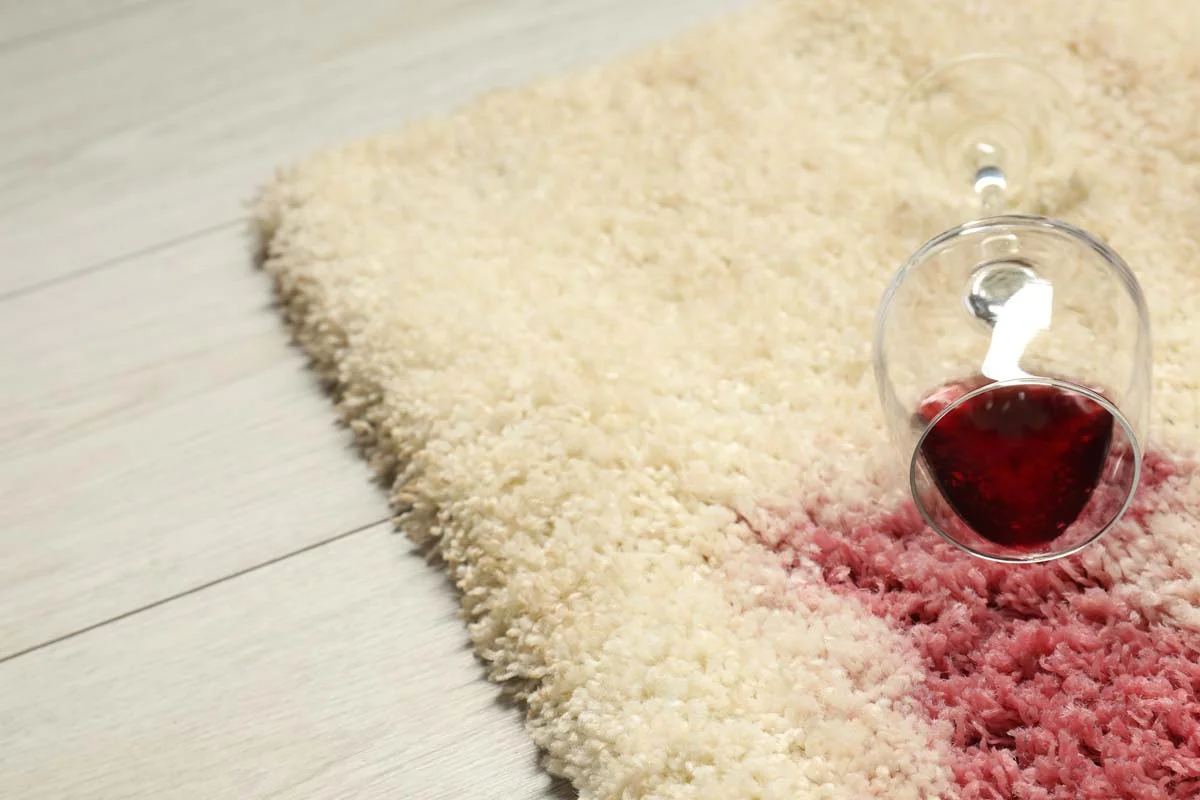
Many hosts try to cut costs, but small savings today can lead to big bills tomorrow. You can avoid major financial stress by being aware of these common hosting mistakes.
Avoiding these common errors can save you from high costs and legal trouble. Here are the most frequent mistakes hosts make when setting up their insurance:
- Choosing Based Only on Cost: Picking the cheapest policy often means you lose important protection. This leaves you paying for expensive repairs yourself.
- Failing to Disclose Rental Activity: Keeping your guests a secret from your provider is a massive risk. If they drop your coverage for hiding a business, a cancelled policy creates a permanent mark on your record, making finding the best insurance for short term rentals much harder in the future.
- Waiting Too Long to Update Coverage: Your policy limits should increase whenever you buy new furniture or finish a renovation to keep your new assets safe.
Working with an experienced vacation rental manager helps you avoid these blind spots. These experts assist with property revenue management by helping you keep a strict track of your physical assets.
Using professional short-term rental management ensures that your property stays in great shape. Any changes or upgrades are properly noted, so your protection always matches your property’s actual value.
Essential Coverage Features Checklist for STR Investors
When you are looking for a policy, you should have a list of must-have features to compare different companies. Use this table to see what matters most for your rental business.
Property damage protection
You need a policy that covers the physical parts of your home while guests are staying there. Good short term rental insurance will protect your investment from many different types of harm.
- Guest-Caused Damage: Covers accidents like a guest spilling wine on a rug or breaking a window.
- Environmental Hazards: Protects you against fire, lightning, and severe storms.
- Vandalism & Theft: Covers you if someone steals your items or ruins your walls.
Liability coverage
Liability is the most important part of your policy because it protects you from huge legal bills. You should look for high limits of at least $1 million to be safe.
- Guest Injuries: Pays for doctor visits if a guest trips or falls.
- Slip-and-Fall Incidents: Specifically covers accidents on wet floors or uneven stairs.
- Legal Expenses: Covers the cost of a lawyer if someone sues your business.
Loss of rental income
If your property is damaged by a fire or a flood, you might not be able to host guests for months. This type of coverage makes sure you still get paid during that time.
- Temporary Property Closures: Reimburses the money you lose while the house is being fixed.
- Prevented Bookings: Pays you for the reservations you had to cancel because of the damage.
Contents and furnishings coverage
The furniture and electronics in a rental take a lot of wear and tear. Make sure your policy covers the actual cost of replacing these items.
- Furniture & Decor: Protects your couches, tables, and art from damage.
- Appliances & Electronics: Covers expensive items like your smart TV or high-end kitchen tools.
Does Airbnb Cover Property Damage?

Many hosts think that built-in platform protection is all they need, but these programs require jumping through strict procedural hoops. They are designed to protect the platform first and the host second.
Filing a claim through a booking site means facing tough evidentiary hurdles. You usually have a very short window, sometimes just 14 days, to submit exhaustive photos, receipts, and proof of the damage. Plus, these programs offer zero help if you take direct bookings or use mid term rental management for longer corporate stays.
Dealing with these claims can be incredibly stressful for a busy owner. Partnering with professional property management services can take the weight off your shoulders. A dedicated team can handle daily operations while you focus on documentation for your claims.
Comprehensive vacation rental management services help you protect your business across all booking channels. By trusting a short term property management company like Guestable, you can ensure your home is protected.