Fall is one of the best times to find maintenance issues for a vacation rental, before colder or wetter weather turns small problems into larger ones. A slow drip, a clogged gutter, or a heating system that hasn’t run since spring is much easier to deal with now than in the middle of winter.
Seasonal maintenance can be more crucial for vacation rentals than for a typical home. Properties can sit vacant between bookings, so problems may go unnoticed. Minor issues can affect a future guest’s stay. Changing weather puts extra demand on heating, plumbing, exteriors, and drainage. Additionally, many owners have to coordinate repairs from a distance.
This fall and winter home maintenance checklist by Guestable walks through the property from the outside in. It includes inspection, HVAC, plumbing, roof and drainage, exteriors, outdoor areas, interior, and safety equipment. By the end of this article, you’ll know what to inspect, what to fix first, and what to hand to a professional before winter arrives.
Start With a Full Fall Property Inspection
Before you focus on individual systems, walk the entire property, inside and out. The goal is to spot problems early and decide what needs attention first. Look for:
- Visible exterior damage
- Signs of water intrusion
- Roof and gutter condition, from the ground
- Windows and doors
- Moisture marks on walls and ceilings
- Plumbing fixtures
- Heating equipment
- Smoke and carbon monoxide alarms
- Outdoor areas
- Lighting and access points
Keep notes and photos as you go so you can sort repairs later. This is especially useful for homeowners who don’t live near their rental and rarely see it between stays, as well as for owners who rely on a vacation rental manager or local contact to report on its condition.
This step is about observation, not repair. Roofs, electrical systems, gas appliances, and structural elements should be inspected by qualified professionals.
Check the HVAC and Heating System
Heating is essential for any fall maintenance checklist, since the system has to carry more of the load as temperatures drop.
The goal is to check whether the system is ready for colder weather, not to repair it yourself:
- Test the heating before you need it, ideally more than once, so problems are discovered early.
- Check thermostats and controls to confirm they respond correctly.
- Review filters and replace or inspect them according to manufacturer guidance. Check filters monthly during heavy-use seasons.
- Make sure vents and registers are clear of furniture and other obstructions.
- Confirm guests can understand the basic temperature controls, especially with smart thermostats.
- Note unusual noises, odors, or changes in performance, and have a qualified professional look into anything that seems off.
Scheduling professional heating service in the fall is practical, since contractors get busy once winter arrives. If the system is due for servicing or shows any warning signs, book a qualified technician.
Prepare Plumbing for Colder Weather
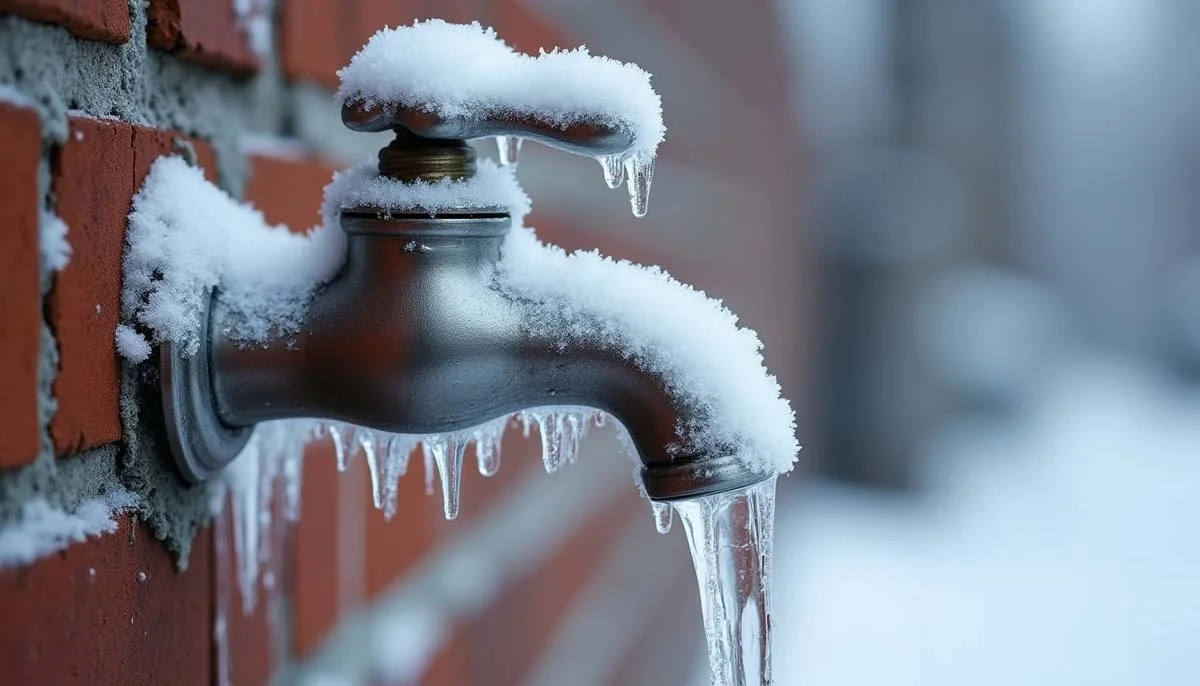
Check visible pipes, faucets, and the area under sinks for leaks, and look at the water heater for moisture or corrosion. Watch for stains, soft spots, or other signs of water damage, and address known leaks before temperatures drop.
Exterior faucets and outdoor plumbing need extra attention where applicable, since water pipes can freeze or break in the winter. The right approach differs by climate, plumbing setup, and property type, so follow manufacturer instructions and ask a licensed plumber what suits your property, especially for irrigation, pool, or spa plumbing.
Inspect the Roof, Gutters, and Drainage
During heavier rain or shifting weather, the priority is keeping water moving away from the building. Check from the ground for:
- Clogged or sagging gutters and downspouts
- Visible roof damage, such as missing or lifted materials
- Areas where water pools near the foundation or walkways
- Exterior drains blocked by debris
- Stains or leaks that suggest water intrusion
Debris buildup is one of the most common causes of drainage trouble, which is why fall is a good time to check. Don’t attempt roof work or ladder-based repairs yourself. Hire a qualified professional for anything that requires elevated access.
Check Windows, Doors, and Exterior Areas
Changing weather exposes weak points in the building envelope. Look for drafts, water entry, deterioration, and safety concerns at:
- Window frames and glazing
- Door seals and weather stripping
- Exterior doors, including locks and latches
- Screens
- Patios and decks
- Railings and stairs
- Exterior lighting
- Visible cracks or damage in walls, steps, or walkways
Loose railings, worn steps, and broken lights matter especially on rental properties, where guests are unfamiliar with the layout.
Drafts and moisture matter even more in longer stays (such as those under mid-term rental management) because guests spend more time indoors during the colder months.
Prepare Outdoor Spaces for Fall
Keep this part maintenance-focused. Where applicable:
- Inspect outdoor furniture for damage, and clean and store items that aren’t suited to colder weather.
- Check decks and patios for loose boards, rot, or uneven surfaces.
- Test outdoor lighting.
- Clear leaves and debris from drainage areas.
- Check outdoor equipment such as grills, heaters, or tools.
- Prepare pools, hot tubs, or other seasonal amenities according to manufacturer and service-provider guidance.
If an amenity will be closed or out of service for the season, update your listing so guests know. A property listing service can help keep those details current.
Review Interior Maintenance Before Winter
Interior repairs are easier to handle before the cold season and before the next guest arrives. Check for:
- Drafts around doors, windows, and outlets
- Moisture marks on ceilings and walls
- Plumbing fixtures in kitchens and bathrooms
- Appliances, to confirm they run normally
- Lighting, replacing bulbs where needed
- Worn flooring and damage in high-traffic areas
- Batteries in remotes, locks, and other devices, replacing worn ones where appropriate
Address minor repairs now so they don’t become guest-facing problems. If you work with a short-term rental management team, ask them to log anything they notice during turnovers so it reaches your repair list.
Check Smoke Alarms, Carbon Monoxide Detectors, and Safety Equipment
Safety gets its own section because it is especially relevant to rental properties. The U.S. Consumer Product Safety Commission (CPSC) recommends testing smoke and CO alarms monthly and replacing batteries annually, and suggests placing smoke alarms inside bedrooms, outside sleeping areas, and on every level. Its winter safety guidance also advises keeping outside vents for fuel-burning appliances clear of snow.
Review the following where applicable:
- Smoke alarms
- Carbon monoxide alarms
- Fire extinguishers, including whether they are accessible
- Emergency lighting
- Emergency contact information
- Property-specific emergency instructions
If you work with property management services, confirm that your emergency contact details and equipment locations are up to date and shared with your property manager.
These are safety recommendations, not legal guidance. Alarm and equipment requirements vary by jurisdiction and property type, so check current rules with your local fire marshal, building department, or municipality.
Review Seasonal Supplies and Maintenance Equipment
Start by checking that you have the essential supplies to maintain the property this season. Common items include HVAC filters, replacement batteries, light bulbs, basic maintenance supplies, outdoor cleanup equipment, weather-appropriate materials, and emergency supplies.
Note what is running low so you aren’t buying in a hurry. Once the property’s upkeep is covered, our guest essentials checklist can help you stock the items guests rely on, such as linens and toiletries.
For rental owners living away from their property, Guestable’s virtual property management services can help with maintenance coordination remotely.
Fall Home Maintenance Checklist
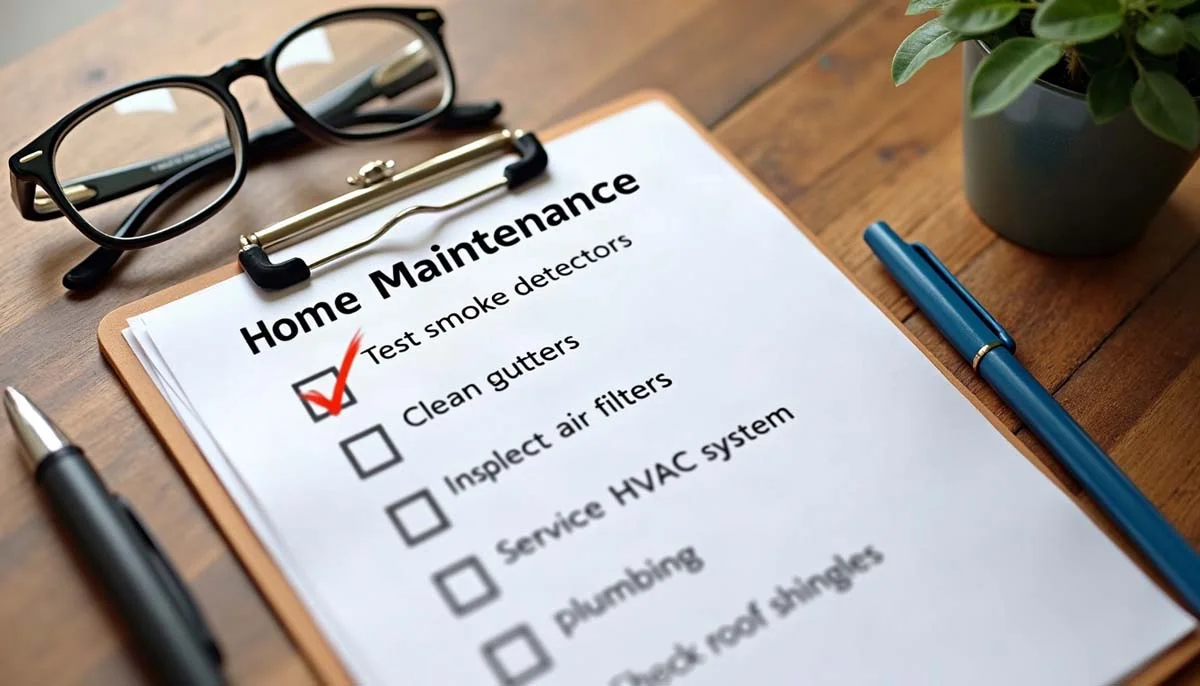
Property Inspection
- Complete an exterior and interior walkthrough
- Look for signs of leaks or water intrusion
- Check windows and doors
- Review visible exterior damage
- Identify repairs that need attention
HVAC & Heating
- Test heating systems
- Check thermostats and controls
- Review HVAC filters
- Check vents and registers
- Schedule professional servicing if needed
Plumbing
- Check visible pipes and fixtures for leaks
- Inspect under sinks
- Check the water heater
- Review exterior plumbing
- Address known plumbing issues
Exterior
- Inspect gutters and downspouts
- Check visible roof condition
- Clear drainage areas
- Inspect decks, patios, stairs, and railings
- Check exterior lighting
Safety
- Check smoke alarms
- Check carbon monoxide alarms where applicable
- Review fire extinguishers
- Confirm emergency information is accessible
- Address safety-related repairs
Interior
- Check for drafts or moisture
- Inspect walls and ceilings
- Check appliances and fixtures
- Review lighting
- Address worn or damaged areas
Seasonal Equipment & Supplies
- Stock necessary maintenance supplies
- Prepare outdoor equipment
- Store seasonal items where appropriate
- Confirm maintenance contacts and service appointments
When to Call a Professional for Fall Maintenance
Routine visual checks are for owners. Technical repairs are for qualified professionals. Consider calling one for:
- Roof repairs
- HVAC servicing or repairs
- Electrical issues
- Gas-related equipment
- Significant plumbing problems
- Structural concerns
- Water intrusion
- Any work requiring specialized tools or elevated access
Get expert advice if you’re unsure whether something is a simple check or a repair.
Disclaimer: This article is for general informational purposes only and is not a substitute for professional advice. Always follow manufacturer instructions, your local codes, regulations, and safety requirements. Consult qualified professionals for inspections, repairs, and technical work.