In Toronto, home-sharing is built around the rule that you can only host in the place where you actually live. This is known as your principal residence, and it is the core requirement for anyone learning how to become an Airbnb host. To stay safe and legal, you must follow the city rules and register your home before you start.
Breaking short term rental laws leads to high fines and legal penalties. If you do not follow these rules, you risk a ban from the platform for an entire year. You must complete the official City of Toronto registration process to host guests in the homesharing market.
Step-by-Step: How to Become an Airbnb Host in Toronto Legally

You must follow the official rules set by the city to start your rental. These steps help you meet all the requirements for the local homesharing market.
Step 1:Verify your principal residence and local zoning
The most important rule is that you can only host in your primary home. This is the place where you live for most of the year and use for your bills and taxes.
Check the following items to ensure your home qualifies:
- Confirm your local zoning rules allow homesharing in your area.
- You can rent up to three bedrooms for as many nights as you want.
- You can rent your whole home for a set number of nights each year.
- You cannot host in a second property or a unit where you do not live.
Step 2: Apply for your short-term rental registration
You must register with the city online before you create any listings, as this is a requirement for all homesharing in Toronto.
- You need a valid Ontario Driver’s License or Ontario Photo Card for your application.
- The address on your ID must match your rental property address exactly.
- Based on current City guidelines, you must pay a non-refundable annual fee of $390 for the 2026 term to get your Airbnb license in Toronto.
Step 3: Manage your municipal accommodation tax (MAT)
Every host in the Toronto short-term rental market must collect and pay a local tax on all stays that last less than 28 days.
- The current rate for the Municipal Accommodation Tax is 8.5 percent.
- This rate is effective until July 31, 2026, as confirmed by official city tax rules.
- You are responsible for filing these tax reports every quarter, even if you did not have any guests.
Step 4: Prioritize guest safety and liability insurance
Making sure your home is safe is one of the most important Airbnb host requirements. The city has rules about the information you must give to your guests.
You must follow these safety steps in your home:
- Post an emergency exit plan and instructions for 911 in a clear spot.
- Provide the name and number of a contact person who is available at all times.
- Check your home insurance to ensure you meet all requirements for short-term stays.
Step 5: Set up your platform listing correctly
Once you have your permit, you can finally put your home on a website like Airbnb.
Following Airbnb Platform Rules
To stay active on the site, you must meet specific standards for guest service and listing quality.
- Listing accuracy: Your photos and description must match the real state of your home. You should update your calendar often to avoid double bookings.
- Communication: You need to respond to guest inquiries quickly. Fast replies improve your ranking and help guests feel supported.
- Cancellations: Avoid cancelling stays after they are booked, because this can lead to fines and may cause the platform to hide your listing.
- Reviews: Maintaining a high rating from guests is required to stay active in the homesharing market. Poor reviews can lead to a permanent account ban.
You must display your city registration number on your listing page for everyone to see. Airbnb and the City of Toronto share data to check if everyone follows the short term rental laws. If your information does not match, the platform may block your listing until you fix the problem.
Responsible Hosting Disclaimer: Regulations vary by location. Hosts are responsible for complying with all local laws, taxes, and platform policies. This guide is for informational purposes only and does not constitute legal advice.
Is Airbnb Legal in Toronto?
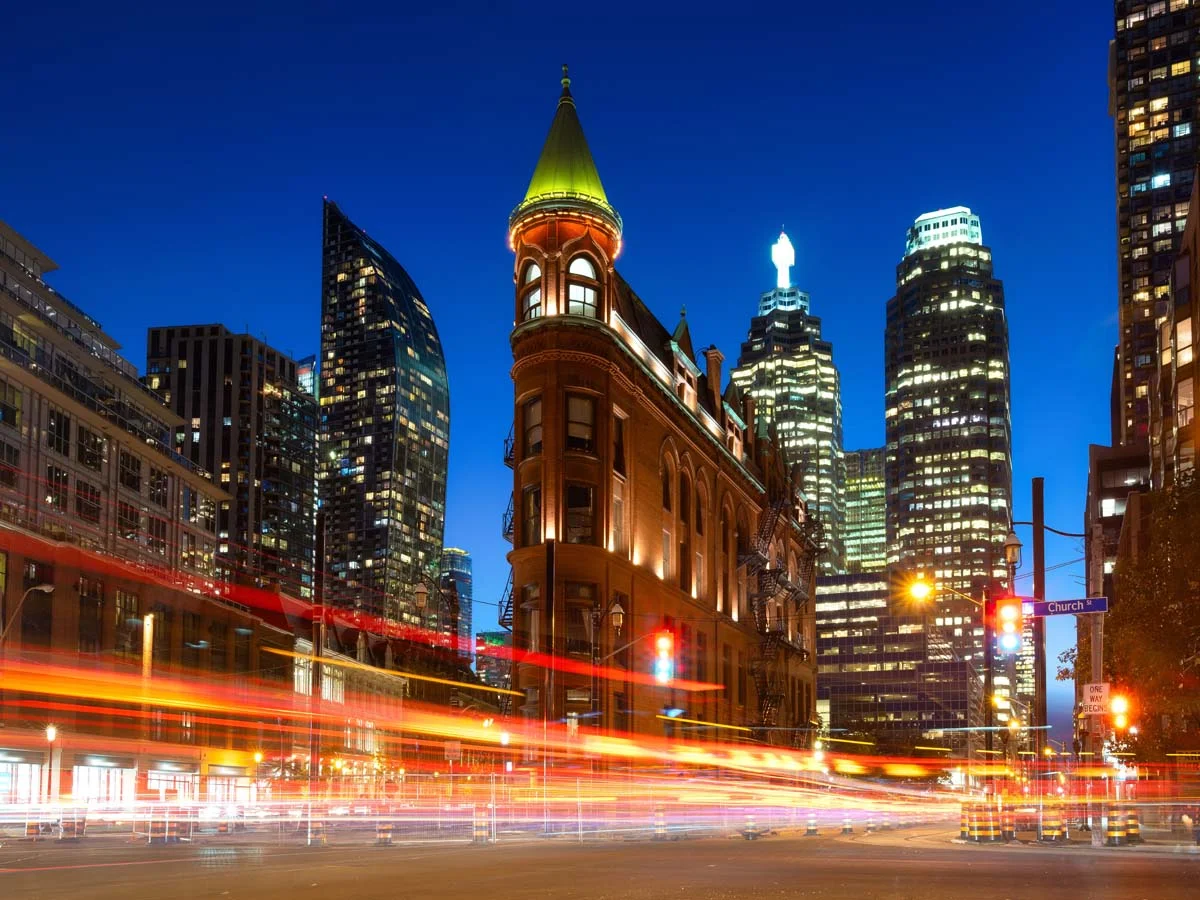
Homesharing is legal in Toronto, but you must follow the local short-term rental rules, which apply to any rental that lasts for fewer than 28 nights in a row. This is to make sure there is enough long-term housing for people who live and work in the city.
Homeowners and tenants can both host
Both owners and renters are allowed to participate in the local home-sharing market. If you are a tenant, you must ensure your rental agreement allows for short-term stays before you begin. Likewise, condo owners must check their specific building bylaws, as some boards may forbid home-sharing even if the city allows it. It is your responsibility to verify these rules with your landlord or condo board.
Specific exclusions and rules for multi-unit homes
Not every type of accommodation is covered under these short term rental laws. The city provides clear categories for what can and cannot be registered for home-sharing.
- Hotels and motels do not need to follow these specific home-sharing rules as they carry separate commercial licenses.
- Student residences and housing operated by non-profit educational institutions are excluded from the registration process.
- In a multi-unit house, like a duplex or triplex, you can only host in the specific unit where you live.
- Subsidized or social housing is strictly ineligible for short-term rental use.
You are not permitted to register more than one unit under your name at any time. The city’s 2026 regulations enforce a “one registration per dwelling unit” rule to ensure that only primary residents are participating in the market.
Choosing your rental type
When you apply for your permit, you must choose between an Entire-Unit or a Partial-Unit rental. The official City of Toronto website states that you cannot switch between these two types during your registration year.
- If you choose a Partial-Unit rental, you must be present in the home during the stay.
- You can only rent out a maximum of three bedrooms to guests at once.
- The city also requires that you advertise at least one fewer than the total number of bedrooms in your home.
By following these Toronto zoning and short-term rental rules, you help keep the community safe and ensure your home stays on the right side of the law. Using these guidelines allows you to contribute to the neighborhood while following all local requirements.
Understanding Airbnb Host Requirements and Compliance Standards
If you want to know how to become an Airbnb host in Canada, you must follow strict guest safety rules. These rules are set by the city to make sure every home-sharing space is a safe place to stay.
Prioritizing guest safety and home security
Beyond posting exit plans, you must ensure your home has working smoke alarms on every floor. The City of Toronto also requires carbon monoxide alarms in homes with fuel-burning appliances or attached garages. Keeping a fire extinguisher in the kitchen is a top best practice for meeting Airbnb host requirements.
- Test all alarms once a month to make sure they work.
- Provide a printed guest manual that includes the city-mandated emergency contact details.
- Clearly list your house rules so guests know how to be good neighbors in your community.
Investing in safety features and high-quality guest services can help you build a strong reputation and grow your Airbnb income over time.
Enhancing the guest experience with professional support
The Airbnb listing requirements state that you must provide an alternate emergency contact who is available at all times. This can be a big task, which is why many people look into property management services to help.
Experts in vacation rental property management can handle guest check-ins and maintenance coordination. Professional support helps your home follow standard Airbnb hosting rules while you manage the local legal requirements to keep your rental active.
What Happens if You Don’t Follow Airbnb Rules in Toronto: Common Legal Mistakes Hosts Make
Many people start hosting without knowing how the city watches the home-sharing market.
The City of Toronto tracks reports about noise, trash, or parking through the 311 service. If a neighbor makes a report, a city inspector may visit your home to check the property. Following the city rules carefully helps you avoid common mistakes and legal problems.
Errors that lead to city inspections
- Noise and neighbor disturbances: if your guests are too loud or host parties, neighbors may call 311, which can lead to a city inspection and put your status for hosting an Airbnb legally at risk.
- Improper waste management: failing to follow the city’s pickup schedule or leaving excessive trash outside can result in fines and show a lack of proper maintenance coordination.
- Missing registration number: not displaying your official Airbnb license in Toronto on your listing makes it easy for the city to find and flag your home for not following short term rental laws.
- Inaccurate primary residence details: hosting in a property where you do not actually live is a major violation of Airbnb legal requirements and often results in a 12-month ban.
- Unclear parking instructions: if guests park in restricted areas or block neighbor driveways, it creates local friction that often leads to formal complaints to the city.
The risks of non-compliance
People often ask, “Is Airbnb profitable in Toronto?” But the answer depends on how well you plan your vacation rental management and how you follow the rules. Failing to meet Airbnb legal requirements can lead to serious trouble. The city and platforms share data to find listings that do not have a valid Airbnb license in Toronto. This system helps the city spot units that are not primary residences or that go over the 180-night limit.
- Immediate Fines: You could receive a fine of 1,000 dollars for minor issues or hosting without a permit.
- Court Penalties: In very serious cases, court penalties can reach up to 100,000 dollars for breaking the short term rental laws.
- One-Year Ban: If the city finds out you gave false details on your application, you and your home address could be banned from hosting for 12 months.
- Registration Cancellation: The city uses a fast 10-day process to cancel permits for hosts who do not follow the rules.
Compliance Checklist
To keep hosting an Airbnb legally in the city, your short term rental property management strategy should focus on keeping everything organized and ready for review. Use this list to make sure you have everything ready for your guests.
- Valid Ontario ID with your current address.
- Emergency contact person who is always available.
- City of Toronto registration number displayed on your listing.
- Safety diagrams and 911 instructions posted in the home.
- Insurance that covers home-sharing stays.
- Records of all your taxes and nights stayed.
Maximizing Your Home-Sharing Potential with Professional Support

Learning how to become an Airbnb host takes time, and many people look for help with the daily work. An Airbnb property management company like Guestable can handle guest messages and maintenance coordination so you have more time to focus on local requirements and compliance.
Professional short term property management that offers top-tier Airbnb management in Toronto can handle your daily workflow while you remain the host who is responsible for following all city rules. This support allows you to prioritize a good experience for your guests while you stay in charge of meeting the legal standards for your home.
Disclaimer: The information provided in this article is for general informational purposes only and should not be considered legal advice. Each host is solely responsible for ensuring compliance with all applicable local laws, zoning requirements, licensing rules, tax obligations, and platform policies in their area.
In Toronto, home-sharing is built around the rule that you can only host in the place where you actually live. This is known as your principal residence, and it is the core requirement for anyone learning how to become an Airbnb host. To stay safe and legal, you must follow the city rules and register your home before you start.
Breaking short term rental laws leads to high fines and legal penalties. If you do not follow these rules, you risk a ban from the platform for an entire year. You must complete the official City of Toronto registration process to host guests in the homesharing market.
Step-by-Step: How to Become an Airbnb Host in Toronto Legally
You must follow the official rules set by the city to start your rental. These steps help you meet all the requirements for the local homesharing market.
Step 1:Verify your principal residence and local zoning
The most important rule is that you can only host in your primary home. This is the place where you live for most of the year and use for your bills and taxes.
Check the following items to ensure your home qualifies:
- Confirm your local zoning rules allow homesharing in your area.
- You can rent up to three bedrooms for as many nights as you want.
- You can rent your whole home for a set number of nights each year.
- You cannot host in a second property or a unit where you do not live.
Step 2: Apply for your short-term rental registration
You must register with the city online before you create any listings, as this is a requirement for all homesharing in Toronto.
- You need a valid Ontario Driver’s License or Ontario Photo Card for your application.
- The address on your ID must match your rental property address exactly.
- Based on current City guidelines, you must pay a non-refundable annual fee of $390 for the 2026 term to get your Airbnb license in Toronto.
Step 3: Manage your municipal accommodation tax (MAT)
Every host in the Toronto short-term rental market must collect and pay a local tax on all stays that last less than 28 days.
- The current rate for the Municipal Accommodation Tax is 8.5 percent.
- This rate is effective until July 31, 2026, as confirmed by official city tax rules.
- You are responsible for filing these tax reports every quarter, even if you did not have any guests.
Step 4: Prioritize guest safety and liability insurance
Making sure your home is safe is one of the most important Airbnb host requirements. The city has rules about the information you must give to your guests.
You must follow these safety steps in your home:
- Post an emergency exit plan and instructions for 911 in a clear spot.
- Provide the name and number of a contact person who is available at all times.
- Check your home insurance to ensure you meet all requirements for short-term stays.
Step 5: Set up your platform listing correctly
Once you have your permit, you can finally put your home on a website like Airbnb.
Following Airbnb Platform Rules
To stay active on the site, you must meet specific standards for guest service and listing quality.
- Listing accuracy: Your photos and description must match the real state of your home. You should update your calendar often to avoid double bookings.
- Communication: You need to respond to guest inquiries quickly. Fast replies improve your ranking and help guests feel supported.
- Cancellations: Avoid cancelling stays after they are booked, because this can lead to fines and may cause the platform to hide your listing.
- Reviews: Maintaining a high rating from guests is required to stay active in the homesharing market. Poor reviews can lead to a permanent account ban.
You must display your city registration number on your listing page for everyone to see. Airbnb and the City of Toronto share data to check if everyone follows the short term rental laws. If your information does not match, the platform may block your listing until you fix the problem.
Responsible Hosting Disclaimer: Regulations vary by location. Hosts are responsible for complying with all local laws, taxes, and platform policies. This guide is for informational purposes only and does not constitute legal advice.
Is Airbnb Legal in Toronto?
Homesharing is legal in Toronto, but you must follow the local short-term rental rules, which apply to any rental that lasts for fewer than 28 nights in a row. This is to make sure there is enough long-term housing for people who live and work in the city.
Homeowners and tenants can both host
Both owners and renters are allowed to participate in the local home-sharing market. If you are a tenant, you must ensure your rental agreement allows for short-term stays before you begin. Likewise, condo owners must check their specific building bylaws, as some boards may forbid home-sharing even if the city allows it. It is your responsibility to verify these rules with your landlord or condo board.
Specific exclusions and rules for multi-unit homes
Not every type of accommodation is covered under these short term rental laws. The city provides clear categories for what can and cannot be registered for home-sharing.
- Hotels and motels do not need to follow these specific home-sharing rules as they carry separate commercial licenses.
- Student residences and housing operated by non-profit educational institutions are excluded from the registration process.
- In a multi-unit house, like a duplex or triplex, you can only host in the specific unit where you live.
- Subsidized or social housing is strictly ineligible for short-term rental use.
You are not permitted to register more than one unit under your name at any time. The city’s 2026 regulations enforce a “one registration per dwelling unit” rule to ensure that only primary residents are participating in the market.
Choosing your rental type
When you apply for your permit, you must choose between an Entire-Unit or a Partial-Unit rental. The official City of Toronto website states that you cannot switch between these two types during your registration year.
- If you choose a Partial-Unit rental, you must be present in the home during the stay.
- You can only rent out a maximum of three bedrooms to guests at once.
- The city also requires that you advertise at least one fewer than the total number of bedrooms in your home.
By following these Toronto zoning and short-term rental rules, you help keep the community safe and ensure your home stays on the right side of the law. Using these guidelines allows you to contribute to the neighborhood while following all local requirements.
Understanding Airbnb Host Requirements and Compliance Standards
If you want to know how to become an Airbnb host in Canada, you must follow strict guest safety rules. These rules are set by the city to make sure every home-sharing space is a safe place to stay.
Prioritizing guest safety and home security
Beyond posting exit plans, you must ensure your home has working smoke alarms on every floor. The City of Toronto also requires carbon monoxide alarms in homes with fuel-burning appliances or attached garages. Keeping a fire extinguisher in the kitchen is a top best practice for meeting Airbnb host requirements.
- Test all alarms once a month to make sure they work.
- Provide a printed guest manual that includes the city-mandated emergency contact details.
- Clearly list your house rules so guests know how to be good neighbors in your community.
Investing in safety features and high-quality guest services can help you build a strong reputation and grow your Airbnb income over time.
Enhancing the guest experience with professional support
The Airbnb listing requirements state that you must provide an alternate emergency contact who is available at all times. This can be a big task, which is why many people look into property management services to help.
Experts in vacation rental property management can handle guest check-ins and maintenance coordination. Professional support helps your home follow standard Airbnb hosting rules while you manage the local legal requirements to keep your rental active.
What Happens if You Don’t Follow Airbnb Rules in Toronto: Common Legal Mistakes Hosts Make
Many people start hosting without knowing how the city watches the home-sharing market.
The City of Toronto tracks reports about noise, trash, or parking through the 311 service. If a neighbor makes a report, a city inspector may visit your home to check the property. Following the city rules carefully helps you avoid common mistakes and legal problems.
Errors that lead to city inspections
- Noise and neighbor disturbances: if your guests are too loud or host parties, neighbors may call 311, which can lead to a city inspection and put your status for hosting an Airbnb legally at risk.
- Improper waste management: failing to follow the city’s pickup schedule or leaving excessive trash outside can result in fines and show a lack of proper maintenance coordination.
- Missing registration number: not displaying your official Airbnb license in Toronto on your listing makes it easy for the city to find and flag your home for not following short term rental laws.
- Inaccurate primary residence details: hosting in a property where you do not actually live is a major violation of Airbnb legal requirements and often results in a 12-month ban.
- Unclear parking instructions: if guests park in restricted areas or block neighbor driveways, it creates local friction that often leads to formal complaints to the city.
The risks of non-compliance
People often ask, “Is Airbnb profitable in Toronto?” But the answer depends on how well you plan your vacation rental management and how you follow the rules. Failing to meet Airbnb legal requirements can lead to serious trouble. The city and platforms share data to find listings that do not have a valid Airbnb license in Toronto. This system helps the city spot units that are not primary residences or that go over the 180-night limit.
- Immediate Fines: You could receive a fine of 1,000 dollars for minor issues or hosting without a permit.
- Court Penalties: In very serious cases, court penalties can reach up to 100,000 dollars for breaking the short term rental laws.
- One-Year Ban: If the city finds out you gave false details on your application, you and your home address could be banned from hosting for 12 months.
- Registration Cancellation: The city uses a fast 10-day process to cancel permits for hosts who do not follow the rules.
Compliance Checklist
To keep hosting an Airbnb legally in the city, your short term rental property management strategy should focus on keeping everything organized and ready for review. Use this list to make sure you have everything ready for your guests.
- Valid Ontario ID with your current address.
- Emergency contact person who is always available.
- City of Toronto registration number displayed on your listing.
- Safety diagrams and 911 instructions posted in the home.
- Insurance that covers home-sharing stays.
- Records of all your taxes and nights stayed.
Maximizing Your Home-Sharing Potential with Professional Support
Learning how to become an Airbnb host takes time, and many people look for help with the daily work. An Airbnb property management company like Guestable can handle guest messages and maintenance coordination so you have more time to focus on local requirements and compliance.
Professional short term property management that offers top-tier Airbnb management in Toronto can handle your daily workflow while you remain the host who is responsible for following all city rules. This support allows you to prioritize a good experience for your guests while you stay in charge of meeting the legal standards for your home.