ICE Condos at 12 York Street and 14 York Street is a downtown Toronto condominium near the Harbourfront and Financial District. Owners must confirm short-term rental eligibility before spending money on furniture or unit preparation. The condominium corporation’s published short-term rental rules restrict hosting to qualifying owners who live in their units, limit rentals to 180 days per year, and specify Airbnb as the permitted platform. Tenants and landlords cannot host short-term rentals under the published rules. Owners must comply with these building restrictions and the City of Toronto’s short-term rental requirements. Furnishing a unit does not establish eligibility, so owners should verify the current rules before committing to setup costs.
Eligible furnished rentals need furniture and amenities suited to the unit’s layout and intended guests. Furniture should balance appearance, comfort, durability, and function. Room arrangement, lighting, storage, cleanliness, and photography affect the property’s presentation. Premium furnishings do not guarantee higher rates, more bookings, or better returns. Setup costs should reflect the unit’s needs and the intended guest profile.
This guide from Guestable covers furnishing, equipping, and preparing an ICE Condos unit for furnished rental use, subject to building rules and municipal requirements.
What Makes an ICE Condos Unit Worth Preparing Carefully for Furnished Rentals?
ICE Condos sits at 12 and 14 York Street in downtown Toronto, near major transit connections, business districts, and entertainment destinations. That setting shapes what an owner should plan for. Owners researching a 12 York Street Airbnb or a 14 York Street Airbnb setup should treat the address as context for furnishing decisions, not as proof that the unit can be rented short-term. That depends on the condominium’s rules and the City’s requirements. The Best Toronto Airbnb Condos guide shows how downtown options compare. Five principles guide the preparation:
- Match the premium setting: The unit should feel consistent with the building around it. Furnishings that look out of place beside the building’s finishes weaken the overall impression, whatever they cost.
- Choose a cohesive look: Select furniture and accessories as a set, with a shared palette, materials, and style. Unrelated pieces make the unit look assembled in parts.
- Balance appearance and practicality: Every piece should look good and hold up to daily use. A sofa or bed that photographs well but is uncomfortable or hard to clean fails both the guest and the owner.
- Let the unit set the plan: Size, layout, natural light, and existing finishes decide what fits and what works. Furniture that crowds the layout, blocks light, or clashes with the finishes should be ruled out before it is bought.
- Set a budget first: Decide what to spend before buying furniture and accessories, and allocate it to the pieces guests use most. A budget keeps the setup consistent and prevents overspending on one room at the expense of another.
1. Invest in Quality Furniture That Fits the Building
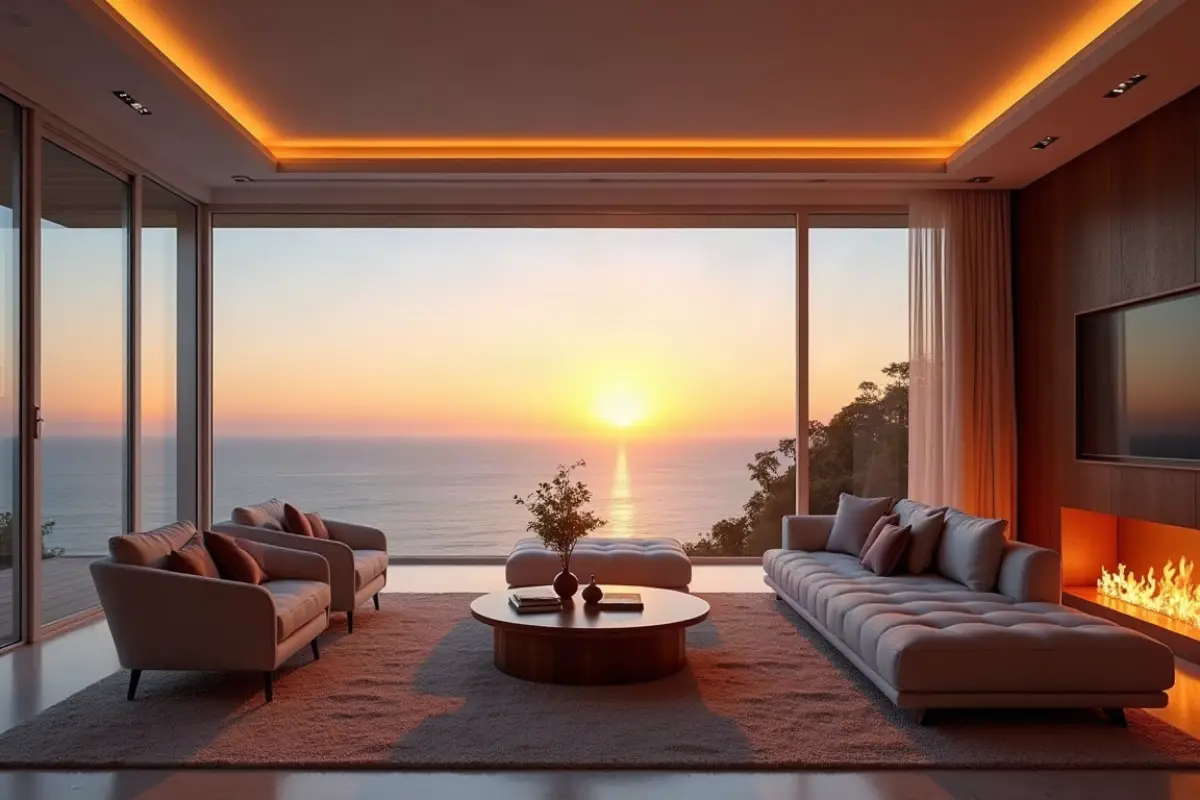
Choose furniture for an ICE Condos short-term rental based on durability, comfort, layout, and ease of maintenance. Select pieces that fit the unit, keep walkways clear, provide practical storage, and withstand frequent guest use. Use a simple color scheme and limit decorative items to keep the space practical and easy to clean. Prioritize functional items over expensive upgrades. A well-planned setup gives guests a comfortable stay and makes cleaning and maintenance between bookings easier.
Choose Furniture That Matches the Unit’s Positioning
The furnishing budget should reflect the guest experience the unit is meant to deliver and how it presents overall. Prioritize these pieces:
- Sofa: Comfortable, with durable upholstery.
- Dining table and chairs: Sized to the dining area and the unit’s guest capacity.
- Mattress and bed frame: A supportive mattress on a frame suited to the room.
- Bedside tables: Functional, with room for a lamp and personal items.
- Desk or work surface: Included where space allows.
- Storage: Solutions that keep the unit organized.
- Finishes and colors: Coordinated across pieces so the unit looks cohesive.
Balance Premium Appearance With Durability
Furniture in a furnished rental has to withstand regular use and stay practical to clean and maintain. Choose durable upholstery, easy-to-clean surfaces, sturdy construction, and components that can be replaced or repaired, and match materials to how often the unit will be used. Check dimensions against the layout so guests can move comfortably around each piece. Skip fragile decorative items and furniture that looks impressive but does not suit the unit’s layout or use.
Prioritize the Items Guests Use Most
The mattress, sofa, dining seating, and lighting affect daily comfort directly, so an Airbnb furniture checklist should start with them. Allocate the budget by functional importance, not on decorative accessories. A premium approach means thoughtful quality and usability, not spending more on every item.
2. Make the Most of the Unit’s Layout and Available Space
Use the official ICE Condominiums floor plans to plan furniture placement based on your unit’s configuration. Published plans offer a reference, but actual measurements should guide furniture purchases.
A compact studio may suit a multipurpose table for dining and laptop work. A unit with a den may have room for a separate desk, depending on the available space. Measure doorways, walls, closets, and kitchen access points before buying furniture or storage. Each piece should fit its intended area without blocking walkways or access to storage.
3. Create a Comfortable Bedroom and Living Area
Everyday guest comfort comes from the bedroom and living area, so build it into the core furnishing decisions and not as an afterthought.
The bed matters most. A guest who arrives after a long flight or a full day of meetings wants a supportive mattress, clean and coordinated bedding, and pillows that suit different sleepers, on a frame that fits the room. Add a mattress protector and a plan for washing, replacing, and maintaining the linens, so a quick turnover never means tired or mismatched bedding. In the living area, choose a sofa and seating arrangement that fits the unit’s capacity and layout. A couple settling in for an evening of television needs a comfortable seat, a surface within reach for a drink, and a lamp that lights the room without glare, and a guest working from the sofa needs a charging point nearby where practical. Do not fill the room with decorative furniture that cuts usable space. Layering general, task, and bedside lighting lets the same room serve for reading, working, and winding down, and it makes the unit feel more welcoming.
4. Equip the Kitchen and Bathroom With Practical Essentials
The unit should be ready for everyday use, not just good-looking in listing photographs. The final inventory should reflect the unit’s size, available storage, intended guest profile, and the services offered. Provide:
- Tableware: Plates, bowls, glasses, and mugs.
- Cutlery and utensils: Cutlery and basic cooking utensils.
- Pots and pans: Matched to the kitchen and its appliances.
- Food-preparation tools: The basics for preparing meals.
- Dishwashing supplies: Enough for guests to clean up after meals.
- Kettle or coffee equipment: Where it suits the guest profile.
- Kitchen storage: Practical storage for everyday items.
- Towels and bath mat: Clean towels and a suitable bath mat.
- Bathroom storage: Basic storage, with hooks or towel bars where available.
Stock what guests are likely to use, not excess kitchenware or decorative products. Surfaces and accessories should be easy to clean between stays. A clear inventory and a consistent storage arrangement make replenishment and turnover easier, whether the owner handles them or uses property management services.
5. Set Up Reliable Internet, a Workspace, and Everyday Conveniences

A furnished rental should support guests’ practical needs and their downtime. Confirm that the internet works reliably throughout the unit and give guests clear access instructions. Do not promise specific speeds unless they have been tested and can be substantiated. Where space allows, add a suitable work surface, comfortable seating, and convenient access to power outlets. A compact, usable workspace is worth more than a large desk that dominates a small living area. A longer stay often calls for more of these conveniences than a short one, which is one reason owners compare short-term rental management and mid-term rental management before setting up the unit.
Make Everyday Tasks Easier
Provide only what the owner can supply and maintain, since units differ in appliances, storage, and internet equipment.
| Convenience | What to Provide |
| Charging access | Convenient outlets or charging points near the bed and seating |
| Closet space | Adequate hangers and closet space for guests’ clothing |
| Luggage storage | A designated spot for luggage |
| Waste and recycling | Clear instructions for disposal |
| Appliances | Clear instructions for the appliances in the unit |
| Guest guide | A concise guide with the relevant building procedures |
6. Be Selective With Décor, Artwork, and Finishing Touches
A few well-chosen details can make the unit feel complete without overwhelming the space. Keep the design cohesive with a consistent palette and a limited number of complementary materials and finishes. In a premium downtown condominium, the look should feel intentional and polished, not cluttered or overly themed. Choose artwork, cushions, rugs, mirrors, and accessories only where they suit the layout and are easy to maintain, and avoid fragile objects and excess ornaments that make cleaning and turnover harder. Select décor with cleaning, replacement, and long-term upkeep in mind, so the owner can keep a consistent appearance without replacing minor accessories after every booking. Finishing touches should support functionality and never compete with it.
7. Prepare the Unit for Listing Photography and Guest Arrival
Evaluate the final setup from the guest’s perspective and from that of someone viewing the listing online. Before advertising, confirm that the unit meets Toronto’s short-term rental requirements and the condominium’s rules. A rental-ready unit needs to work as well as it looks:
- Photograph the actual unit accurately: Take clear photographs of the furnished living area, bedroom, kitchen, bathroom, workspace where available, and other relevant features. Photographs for a 12 York Street Airbnb listing should represent the unit’s real condition, layout, and furnishings and should not imply amenities or features that are not included.
- Check the furnishings: Review furniture placement and stability, and the bedding and linens.
- Check supplies and equipment: Test the lighting and appliances, confirm internet access and instructions, and review the kitchen and bathroom supplies.
- Check cleanliness and inventory: Confirm the unit is clean, the inventory is complete, and no maintenance issues are outstanding.
- Create a clear guest guide: Prepare instructions for appliances, waste disposal, check-out, building access, and other procedures. Owners working with a property management toronto team should share the building’s current procedures so the guide matches them.
- Confirm building rules and amenity access: Verify building-specific rules with management. The condominium corporation currently states that short-term rental guests, including Airbnb visitors, cannot use amenities such as the pool and fitness facilities, so do not promise access to amenities or services that these guests are not permitted to use.
What Owners Should Verify Before Setting Up an ICE Condos Rental

Furnishing decisions should follow confirmation of the intended rental arrangement and the building’s requirements. An owner who buys furniture first can end up with a unit set up for a rental the building does not allow.
Building Rules and Guest Access
Confirm each of these with the condominium before spending on the setup:
- Bylaws and rental restrictions: Confirm in writing which rental arrangements the current rules permit.
- Minimum-stay requirements: Check whether a minimum stay applies to the intended booking arrangement.
- Guest registration and building access: Learn how guests register and enter, since the check-in plan depends on it.
- Rules for short-term rental guests: Confirm what the condominium currently requires of them.
- Amenity access: The condominium corporation currently states that short-term rental guests, including Airbnb visitors, cannot use amenities such as the pool and fitness facilities, so the listing must not advertise them.
- Moving and delivery requirements: Ask what the building requires before placing the furniture order, so a delivery is not turned away on the planned day.
Toronto Short-Term Rental Requirements
Toronto’s short-term rental rules apply to rentals of fewer than 28 consecutive days and require the operator to meet principal-residence and registration requirements. Condo owners must also comply with their condominium’s rules. Buying a unit at ICE Condos does not automatically qualify an owner to operate an Airbnb, and a mid-term rental is not a way around short-term rental rules. Owners should verify the requirements for their intended booking arrangement before committing to a setup.
Budget and Ongoing Costs
Budget for furniture, bedding and linens, kitchen and bathroom supplies, internet and utilities where applicable, cleaning and replenishment, repairs and replacements, professional photography, and property management where applicable. The budget has to cover upkeep, not just the first purchase, since linens wear out and furniture needs cleaning or replacing. An owner who spends everything on furniture has nothing left for those costs.