A rental property condition report records the property’s condition before and after a guest stay. It should cover the areas inspected, existing damage, new issues, photographs, and maintenance notes so owners have a clear record of what was observed.
The report gives owners and managers a consistent reference for comparing property conditions between stays. A wall mark, damaged chair, or appliance issue is easier to track when it is documented during an inspection. This makes the report useful for vacation property management teams that need to track changes and follow up on maintenance.
What Is a Rental Property Condition Report?
A rental property condition report records the physical state of a rental at a specific point in time. For vacation rentals, it provides a dated record that helps owners and managers identify changes after a guest stay.
A rental property inspection report records what the inspection found and provides a reference for follow-up maintenance. This record forms part of the property management process and gives the management team a consistent way to track the property’s condition over time.
What Should Be Included in a Rental Property Condition Report?
A rental property inspection report should show what was checked, when the inspection happened, and what changed from the previous visit. Use the same inspection route for each stay so a new scratch, damaged fixture, or missing item is easier to identify. This record supports property management services by giving the management team a clear basis for maintenance follow-up.
Property and Inspection Information
Start each report with the property address, inspection date and time, inspection type, and person completing the inspection. Add the reservation period when the report relates to a recent guest stay. A dated record helps distinguish an existing issue from damage found after a particular booking.
Room-by-Room Condition
Follow the same path through the property and record anything that differs from its expected condition. Focus on changes that could affect the next guest or require follow-up.
- Entryways and Common Areas: Note a loose door handle, a new mark on the wall, a damaged chair, or a window that no longer closes properly.
- Bedrooms: Record changes such as a stained mattress, damaged bed frame, missing linen, broken lamp, or closet door that needs attention.
- Bathrooms: Look for a faucet that drips after use, a toilet that keeps running, a loose fixture, water marks, or damage around the floor.
- Kitchen: Record issues such as an appliance that does not operate normally, a damaged countertop, a loose cabinet door, or missing kitchen equipment.
- Outdoor Areas: Note a damaged patio chair, broken gate latch, faulty exterior light, or equipment that was damaged during a stay.
Photograph the Property During Inspections

Photos give the condition report a visual record of what was observed during an inspection. Use a consistent approach across inspections so images remain useful for reviewing maintenance concerns and tracking property conditions.
| What to Photograph | How to Document It |
| Room condition | Take a clear photo of each main area during the inspection. |
| Existing damage | Photograph a known mark, stain, crack, or damaged item and record its location. |
| Specific concerns | Take a closer photo when a condition needs more detail. |
| Furniture and fixtures | Capture visible issues that could require maintenance or replacement. |
| Outdoor areas | Photograph visible damage or changes in patios, decks, furniture, gates, or exterior fixtures. |
| Inspection record | Store each photo with the property and inspection date for easy reference. |
Document Existing Damage Clearly
Record known damage during the inspection before a new guest arrives. Pair each photograph with the inspection date, a written description, and the damage location so the condition is documented consistently.
For example, photograph a mark on a bedroom wall, note where it appears, and attach the date to the inspection record. A photograph supports the written record but should not be treated as standalone proof of responsibility.
Create a Simple Property Condition Checklist
A consistent checklist keeps each inspection focused on the same areas and makes changes easier to record. Build the checklist around the property and adjust it for its size, amenities, and rental setup.
| Area | What to Check | Condition | Photo | Notes |
| Living room | Furniture, walls, flooring, lighting | Good / Needs attention | Yes / No | Note any changes |
| Bedroom | Bed, furniture, walls, windows | Good / Needs attention | Yes / No | Note any changes |
| Bathroom | Fixtures, surfaces, plumbing | Good / Needs attention | Yes / No | Note any changes |
| Kitchen | Appliances, cabinets, counters | Good / Needs attention | Yes / No | Note any changes |
| Exterior | Entry, patio, furniture | Good / Needs attention | Yes / No | Note any changes |
A larger vacation home might need more inspection areas, such as additional bedrooms or outdoor spaces. A smaller rental can use a shorter checklist focused on its main areas.
How to Compare Property Condition Before and After a Stay
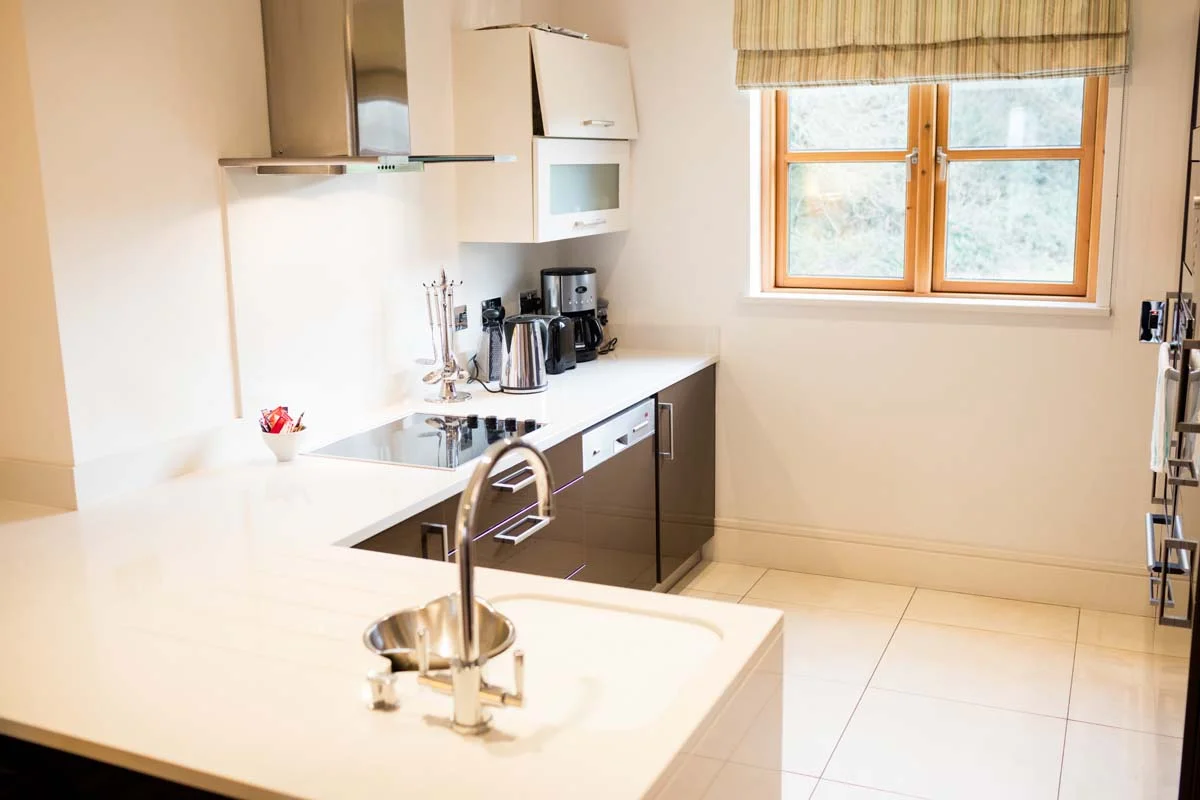
Compare inspection records from before and after each guest stay to identify changes that need attention. Use the same inspection format each time so new issues are easier to spot.
- Pre-stay inspection: Use the earlier report as the record of the property’s condition before the guest arrives.
- Post-stay inspection: Review the property after checkout and record any changes.
- Photographs: Review dated photos when a visible issue needs closer inspection.
- Written observations: Check notes for details about existing conditions and newly observed problems.
- Inventory records: Review item records when something is missing or appears damaged.
- Maintenance records: Check recent repair or service records when an issue relates to previous maintenance.
Look for new damage, missing items, changes to fixtures or furnishings, new stains or marks, broken equipment, and maintenance issues. Check the earlier report before treating a condition as new. Clear documentation gives owners and managers a stronger record for follow-up when a change is found, but it does not by itself establish when or who caused the damage.
How Often Should a Vacation Rental Property Be Inspected?

Inspection timing depends on the property’s type, occupancy, management setup, and operating needs. Schedule inspections around key points in the rental cycle so the property’s condition stays documented.
Before a Guest Stay
Inspect the property before arrival to record its condition and identify issues that need attention.
After a Guest Stay
Check the property after checkout for noticeable changes, missing items, damage, or maintenance concerns.
During Routine Property Checks
Periodic checks can reveal issues that standard turnovers might miss, particularly during longer gaps between bookings.
After Repairs or Maintenance
Inspect the property after repair work to record its current condition and confirm that related concerns have been addressed.
These inspection points can form part of full-service vacation rental management when property checks are included in ongoing rental operations.
How to Document Damage or Maintenance Issues
Record each issue when it is found. Note what happened, where it was found, when it was discovered, and whether the condition was already documented. Add photographs, any effect on the guest stay, the required follow-up, and the person or vendor assigned to the issue. Update the report after the issue is resolved so the record reflects the final outcome.
How to Store and Organize Property Condition Reports
Keep reports organized by property, inspection date, inspection type, photographs, notes, and follow-up. Owners can use a shared document, property management software, inspection software, cloud folder, or spreadsheet based on their existing setup. A consistent filing system makes past reports easier to find when a property issue needs review.