Short-term rentals are allowed in Santa Monica. This means renting a room in your primary residence while you live on-site. Renting an entire property short-term while unhosted is not permitted. Longer stays of 30 days or more follow a different set of rules entirely.
This article covers Santa Monica short term rental regulations 2026, what qualifies as compliant, and what to check before you list or buy.
Are Short-Term Rentals Legal in Santa Monica?
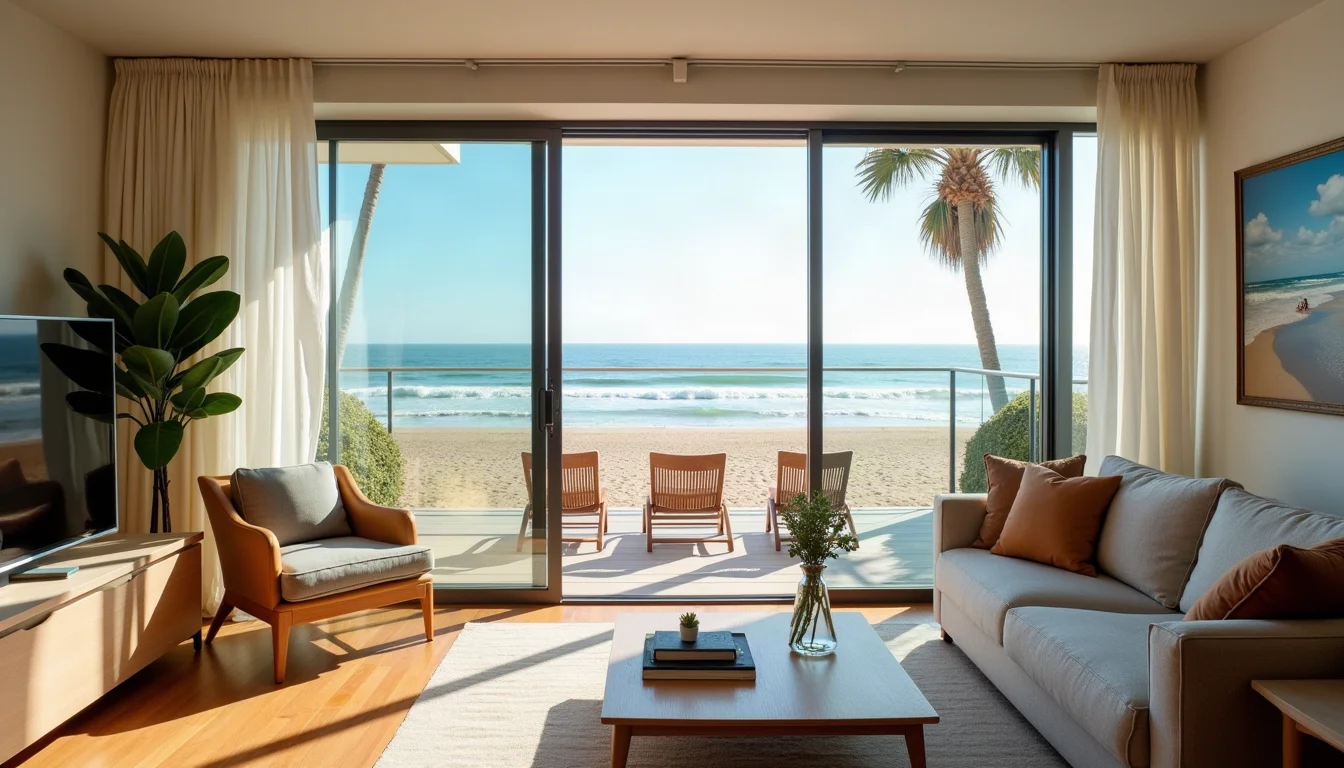
Yes, but Santa Monica places specific limits on short-term home-sharing. Under the city’s home-sharing ordinance, a guest may rent one or more bedrooms for 30 consecutive days or less, as long as the homeowner is present throughout the guest’s stay. Renting an entire home or unit short-term while the owner or tenant is absent is not permitted under Santa Monica’s home-sharing rules.
A listing being live on a booking platform doesn’t mean it’s compliant. Separately, Santa Monica Airbnb rules, which are the platform’s own host requirements, don’t substitute for meeting the city’s home-sharing ordinance. Before treating a property as a candidate for short term rentals in Santa Monica CA, owners should understand:
- What the city classifies as a short-term rental (30 consecutive days or less)
- That home-sharing (hosted) and entire-property rentals (unhosted) are not interchangeable
- That the host’s physical presence during the guest’s stay is central to legality
- That 30-plus day stays are governed by different rules than short-term home-sharing
- That current requirements should be verified directly with the city, since local rules can change
Home Sharing vs. Vacation Rentals
Santa Monica draws a firm line between two structures:
- Home-sharing (host-occupied): Host lives at the property and rents part of the primary residence.
- Santa Monica short term rental ordinance is built around, and it’s the primary legal path to short-term hosting.
- Entire-property rentals (unhosted): Host does not live at the property during the short stay and this is not permitted as short-term home-sharing.
- 30+ day stays: Longer stays are subject to a different set of rules.
Key Takeaway
Under Santa Monica’s current home-sharing rules, short-term stays are generally limited to hosted home-sharing. Unhosted entire-property rentals are not permitted as short-term stays. If you want to rent out an entire property without living there, the stay must be 30 consecutive days or longer.
You can review Santa Monica’s municipal code for more information.
What Does the 30-Day Rule Mean?
The 30-day rule marks the line between short-term stays and longer-term month to month rentals in Santa Monica, but it isn’t a workaround. Crossing the 30-day mark shifts your property from hotel-style lodging to residential housing. You skip Santa Monica’s hotel tax and short-term permit requirements, but your guests gain full California tenant rights. This means any lease issues or overstays now require formal eviction procedures and standard residential contracts.
Longer stays also trigger local housing laws, including potential rent control rules and specific business licensing. Since HOA rules, zoning, and building codes vary widely, always confirm the exact legal and lease requirements for your specific address before making the switch.
If a 30-plus day strategy fits your property, Guestable’s mid-term rental management can help you evaluate and operate it.
Santa Monica Short-Term Rental Regulations in 2026
Staying current with Santa Monica short-term rental regulations in 2026 means checking permit terms, fees, and enforcement policies periodically (not just at listing time) since they are all subject to update. Before operating any rental in Santa Monica, verify current requirements directly with the city.
Initial Setup & Verification
Before listing a Santa Monica short-term rental, hosts must first confirm the unit is eligible for home-sharing and ensure compliance with any overriding HOA, condo, or short term lease Santa Monica restrictions.
Once property eligibility is verified, you must obtain the necessary city permits and a Santa Monica business license, as well as register for Transient Occupancy Tax (TOT) remittance obligations.
Finally, prepare your listings to display required permit numbers, state clear occupancy limits, and meet all local advertising guidelines.
Ongoing Maintenance & Operations
Staying compliant over time requires actively maintaining all required documentation, tracking permit renewals, and keeping tax filings up to date.
Because Santa Monica frequently updates its enforcement priorities, fees, and short-term rental policies, hosts must also periodically re-verify local ordinances to ensure their listing remains fully compliant as regulations evolve.
Do You Need a Permit or License for Short-Term Rentals in Santa Monica?
Yes. Hosts need to acquire a Home-Share permit and a Business License Certificate, which the city requires for home-sharing. Confirm the current application process, fees, and renewal timeline directly with the city, since these details are periodically updated.
What Should Property Owners Check Before Listing?
- Verify Eligibility: Ensure the unit is your primary residence and that you reside on-site during all guest stays. Unhosted short-term rentals are prohibited.
- Submit Joint Application: Apply through the city for both the Home-Share Permit and Business License Certificate. You must submit:
- Residency Proof: Two official documents (e.g., CA driver’s license, vehicle registration, voter registration, property tax bill).
- Right-to-Occupy Proof: Property deed, tax bill, or landlord-signed lease agreement authorizing home-sharing.
- Pay Fees: Expect total initial fees. This includes Home-Share review fee, minimum business license tax, processing fee, and state CASP fee.
- Manage Taxes & Renewals:
- Annual Expiration: Both approvals run on the city’s fiscal year (currently July 1–June 30). Renew annually before August 31 to avoid penalties.
- Transient Occupancy Tax (TOT): Collect and remit local occupancy tax (currently 17%, effective March 1, 2023) on all bookings (unless automatically remitted by the hosting platform).
- Confirm Details: Verify all application steps and updated fee schedules directly on santamonica.gov.
Where Can You Use Short-Term Rental Strategies in Santa Monica?

Tourist appeal has no bearing on whether a specific property can legally operate as a short-term rental.
Eligibility comes down to the property itself, and not the neighborhood’s reputation. This applies equally to short term rentals in Santa Monica listings across every part of the city.
Why Location Alone Doesn’t Determine Legality
A property near the beach or Third Street Promenade isn’t automatically cleared for short-term hosting. Verify the specific property against city, building, and lease requirements rather than assuming a desirable location implies eligibility.
Short-Term vs 30+ Day Rentals in Santa Monica
Factor | Short-Term Stay | 30+ Day Stay |
Stay length | Under 30 days | 30 days or more |
Host presence | Often requires host to be on-site (owner-occupied) | Host presence generally not required |
Rental structure | Nightly/short-stay bookings | Monthly or longer-term lease |
Regulatory treatment | Governed by Santa Monica’s short-term rental ordinance; treated as a distinct, more restricted use | Generally treated like standard residential tenancy, outside short-term rental rules |
Licensing/permit considerations | Requires a Home-Sharing Permit (or similar business license); subject to registration and compliance checks | Generally, no short-term rental permit needed; standard landlord obligations may apply instead |
Management requirements | Ongoing compliance monitoring, permit renewal, guest verification | Lease agreement management, tenant screening, standard property management |
Choosing between these strategies should come down to both regulatory eligibility and financial goals. A property that can’t qualify for home-sharing may still work well as a furnished rentals option for 30-plus day stays, particularly given demand from professionals relocating to the area. For a deeper side-by-side, see our article on Airbnb vs long term rental.
Is Santa Monica a Good Market for Short-Term Rental Investment?
Homeowners should check regulatory eligibility first before projecting revenue. If a property is eligible for short-term rentals, the owner can proceed with evaluating factors including costs, seasonality, occupancy, property type, and longer-stay alternatives.
Success requires hosting within a primary residence, making regulatory compliance just as vital as analyzing market potential. Before treating Santa Monica as a rental investment target, weigh:
- Location and proximity to demand drivers
- Property type and whether it supports home-sharing
- Seasonality of tourism demand
- Operating costs, including cleaning and turnovers
- Vacation rental management or short term rental property management costs if outsourcing operations
- Applicable taxes
- Furnishing requirements
- Regulatory limitations specific to the property
- Realistic occupancy expectations
- Longer-stay alternatives if short-term hosting isn’t viable
Sound pricing and forecasting matter here too. Property revenue management can help translate demand data into realistic income projections.