Choosing between a furnished rental and an unfurnished lease can directly affect your monthly workload, setup costs, and net income.
Seattle owners have multiple potential approaches to consider. You can offer short-term furnished stays, mid-term furnished stays, a combination of the two, or a traditional long-term rental. Whether a furnished rental is worthwhile depends on the property’s location, eligibility, demand, operating costs, seasonality, and the owner’s preferred level of involvement.
If you are evaluating Seattle furnished rentals, you need to look at all these pieces to find the best fit for your goals.
Are Seattle Furnished Rentals Worth It in 2027?
They can be, but the economics depend on the property and rental strategy. The case for a Seattle rental property comes from several different factors.
You can potentially capture seasonal short-term demand, mid-term furnished rental demand, and corporate relocation demand. Owners also appreciate the flexibility to adjust the rental strategy over time. There can be strong demand for well-equipped, well-maintained properties.
However, you must balance these benefits with operating expenses. You need to account for management costs, furnishing costs, cleaning, turnover, utilities, maintenance coordination, and vacancies. You also have to consider building restrictions, financing, ownership costs, and short term rental regulations in Seattle. Furnished options are not inherently more profitable than traditional leases.
Why Seattle Can Be Attractive for Furnished Rentals
The market argument breaks down into three main drivers. Together, tourism, corporate hiring, and shifting lease lengths create steady demand for move-in ready spaces.
Tourism and short-term demand
Seattle draws leisure and business travelers for summer vacations, regional events, and traffic along the Alaska cruise corridor. These trips can fuel strong nightly demand, especially during warmer months.
Corporate and relocation demand
Seattle’s major employment base can support demand for temporary furnished housing. Tech campuses and major medical centers like UW Medicine, Harborview, and Swedish can regularly draw visiting and relocating professionals to the city. These groups often seek turnkey living spaces for a few months at a time, which may help reduce the frequency of turnovers compared to nightly bookings.
Flexible rental demand
Furnished properties can potentially serve multiple renter segments rather than relying exclusively on traditional annual leases. This adaptability lets owners shift between nightly guests and monthly tenants as seasonal booking patterns change. However, a suburban single-family home may attract different renters than a downtown condo.
Short-Term vs. Mid-Term Furnished Rentals in Seattle
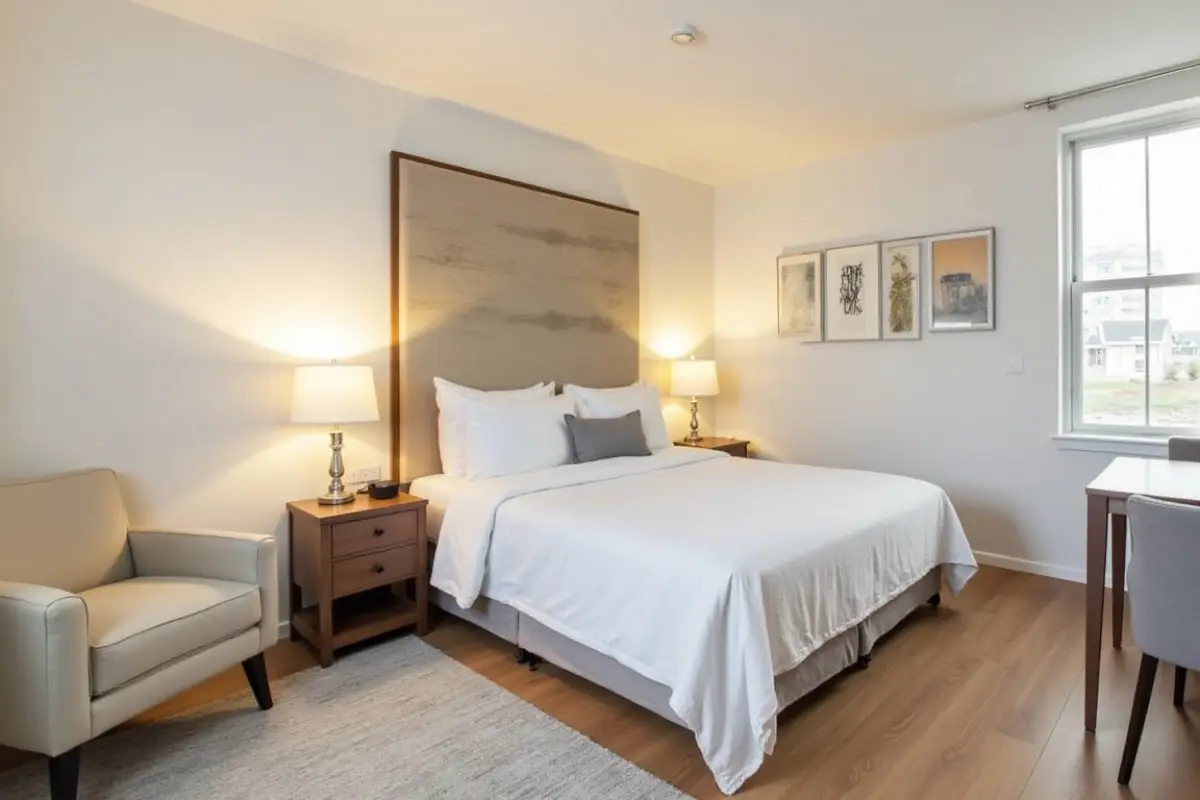
Comparing short-term vs mid-term rentals in Seattle helps you decide the best approach. Seattle defines a short-term rental as a stay of fewer than 30 consecutive nights, while stays of 30 or more nights fall outside the City’s short-term rental definition.
Here is a breakdown of the differences:
| Factor | Short-Term Furnished Rental | Mid-Term Furnished Rental |
| Typical stay | Under 30 consecutive nights | Longer temporary stays |
| Guest profile | Travelers and short-stay visitors | Professionals, relocations, temporary housing |
| Turnover | Higher | Lower |
| Cleaning frequency | Higher | Lower |
| Furnishing | Important | Essential |
| Pricing | Usually nightly | Often weekly/monthly |
| Owner flexibility | Potentially higher between bookings | Depends on lease length |
| Winter strategy | May be more seasonal | Can potentially support longer winter occupancy |
Key strategic point
A furnished mid-term strategy can be a separate rental model that may appeal to different renter segments. This model may be useful during periods when short-term demand is softer. It offers another way to operate furnished short term rentals in Seattle over the course of a full year.
How Seattle Seasonality Can Affect a Furnished Rental
Local tourism often peaks in summer and drops in winter, which means your pricing and minimum stay lengths may need to adapt throughout the year.
Spring and summer
Seattle maintains a consistent high season from May through October, supported by stronger spring and summer travel demand. This season typically brings shorter stays and nightly pricing opportunities, which owners can often observe when reviewing Airbnb pricing in Seattle.
Fall and winter
When the weather cools, demand may shift toward different renter profiles. You might see more requests for corporate housing and relocation needs. This includes temporary assignments, longer furnished stays, and professionals needing housing between leases.
Strategic takeaway
Rather than treating November through April as simply a slow season, property owners can evaluate whether a mid-term furnished rental strategy better suits their property’s market. Offering longer stays during these months can help attract a broader range of renters, including corporate travelers, relocating professionals, and employees moving to Seattle for work. The city’s strong corporate presence, including major employers like Amazon and Microsoft, helps support mid-term rental demand, giving owners another option to navigate the seasonal slowdown while potentially reducing the frequent turnovers associated with short-term stays. Combined with consistent peak-season demand from May through October, this seasonal mix helps position Seattle as a healthy and financially sustainable rental market.
Can a Furnished Rental Help You Use Your Seattle Home More Flexibly?
Furnished rentals can provide owners with more flexibility than a traditional annual lease. This setup allows you to balance personal use with rental income.
Here are potential advantages compared with a traditional lease:
- Personal use: Block calendar dates for your own vacations or visits.
- Maintenance coordination: Inspect the home and complete repairs between guest turnovers.
- Property access: Enter the property between bookings for upgrades or checks.
- Strategy adjustments: Shift between short-term and mid-term models, or adjust stay lengths, as travel seasons change.
Flexibility depends on the booking calendar, lease terms, applicable regulations, and building rules. You cannot always access or block the property whenever you want.
Seattle Corporate Housing: An Opportunity for Furnished Rentals
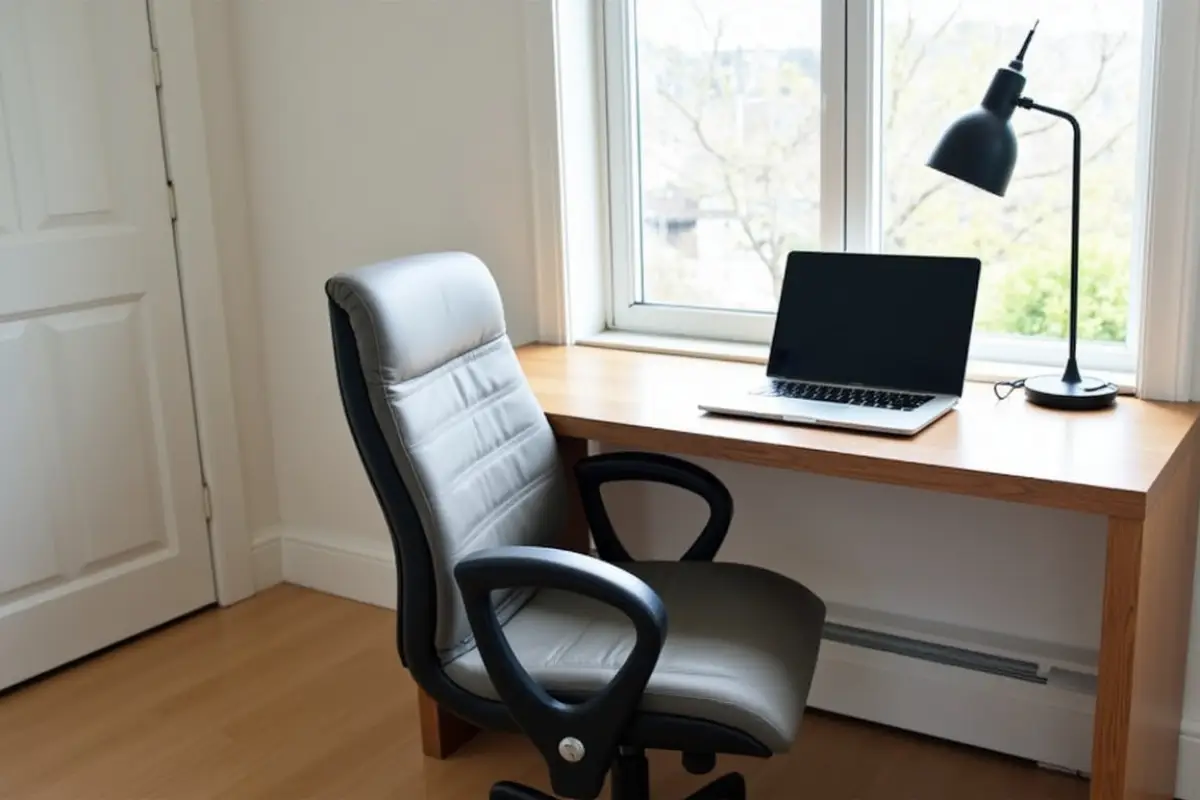
The local business ecosystem generates unique housing needs. Seattle corporate housing represents a potential demand driver for mid-term stays
Potential corporate-housing audiences include several professional groups:
- Relocating employees: Staff moving to the area for new roles.
- Corporate assignments: Workers arriving for temporary projects.
- Project-based workers: Contractors needing reliable internet and a workspace.
- Business travelers: Executives attending extended meetings.
- Waitlist residents: Professionals waiting for permanent housing.
- Transitional employees: Workers moving between homes.
Seattle’s concentration of major employers, such as Amazon, Microsoft, and Expedia, can support demand from professionals working in the region. This corporate presence helps support the winter mid-term strategy.
What Makes Furnished Rentals in Seattle Competitive?
Guests paying a premium expect functional spaces that make day-to-day living seamless. Well-presented furnished rentals in Seattle may be better positioned to compete for higher-value demand, but performance still depends on location, pricing, seasonality, competition, and operating costs.
Location
Guests look for properties with access to employment centers and transit. They also value nearby restaurants, attractions, and neighborhood convenience.
Furnishing
A competitive home needs comfortable furniture and a well-equipped kitchen. A quality bedroom setup, a dedicated workspace, and reliable internet are also essential.
Property condition
Clean spaces and responsive maintenance coordination support positive guest reviews. Guests generally expect dependable heating, clean linens, and functional kitchen appliances throughout their stay.
Guest experience
Self-check-in keypad access, clear parking instructions, and prompt communication help minimize guest confusion and support consistent listing reviews.
Practical amenities
Depending on the property, specific amenities can add noticeable value. Guests often look for parking, laundry, a workspace, outdoor space, and building amenities.
What Does It Cost to Operate a Furnished Rental?
Operating costs directly impact your bottom line. Owners of Seattle furnished apartments must calculate these expenses to know if Seattle furnished rentals make financial sense.
Include these common expenses in your calculations:
- Furnishing: Buying furniture, decor, and basic household items.
- Utilities: Paying for electricity, water, and gas.
- Internet: Providing fast, reliable Wi-Fi for guests.
- Cleaning: Paying for professional cleaning after every guest checks out.
- Maintenance coordination: Handling repairs and general property upkeep.
- Supplies: Restocking toiletries, paper towels, and coffee.
- Management fees: Covering the cost of professional property management.
- Booking fees: Paying platform fees to listing websites.
- Insurance: Maintaining proper commercial or landlord liability policies.
- Property taxes: Paying annual county or city property taxes.
- HOA fees: Covering homeowners association dues where applicable.
- Financing costs: Managing mortgage payments and loan interest.
To find your actual cash flow, separate your gross rental revenue from your operating expenses. This gives you your net operating income. Then, subtract your financing and ownership costs.
Seattle Short-Term Rental Regulations for Owners
Seattle has established licensing and regulatory requirements for short-term rentals, but owners should verify the current rules before listing or purchasing a property for this purpose. These rules dictate how you can operate.
Seattle currently requires operators to have both a Seattle business license tax certificate and a regulatory license. The City currently states that the regulatory license costs $75 per unit and is valid for one year. You can check the latest rules on the official City of Seattle short-term rentals page.
The City also states that an operator may generally operate up to two dwelling units as short-term rentals. One must be the operator’s primary residence. The other can potentially be another dwelling unit the operator owns, subject to applicable rules and exceptions. For a dedicated unit that is not your primary residence, RRIO registration is required before listing, according to Seattle’s current guidance.
How to Evaluate Whether Seattle Furnished Rentals Are Worth It
Before buying furniture or listing your space, run through these seven evaluation steps to confirm your numbers and local rules.
Step 1: Confirm eligibility
Check Seattle rules, zoning laws, and RRIO requirements. Always review building or HOA restrictions before moving forward.
Step 2: Identify demand
Determine whether the property is more suited to tourism, business travel, or corporate housing. It might also fit relocation needs or longer furnished stays.
Step 3: Estimate revenue
Model your potential income across the peak season, shoulder season, and low season. Look closely at both short-term and mid-term revenue.
Step 4: Calculate operating costs
Include every recurring cost in your budget. Do not skip smaller items like supplies or internet.
Step 5: Compare strategies
Compare the financial outcomes of short-term, mid-term, and traditional long-term scenarios. Look at furnished rentals vs. unfurnished rentals in Seattle to see the difference.
Step 6: Evaluate owner flexibility
Consider how much personal access and control you actually want. This helps dictate your ideal lease lengths.
Step 7: Decide whether management makes sense
Treat management as an operating expense. Evaluate this cost against the time and operational workload it replaces.
What About the Seattle Winter?
Rain and colder weather can lead to sharp seasonal declines in leisure visitor traffic from October through April. Owners can consider securing a longer furnished stay during the slower winter period rather than relying entirely on short-term bookings.
A winter mid-term strategy can potentially provide longer placement intervals and fewer turnovers, helping owners capture corporate relocation demand while reducing reliance on nightly leisure bookings.
Common Mistakes Furnished Rental Owners Make
Avoiding basic errors can save you time and money. Many new owners stumble on the same early hurdles when setting up monthly furnished rentals in Seattle.
Watch out for these common missteps:
- Profit assumptions: Assuming furnished means automatically more profitable.
- Peak-season reliance: Relying exclusively on peak-season short-term demand.
- Winter gaps: Ignoring a winter strategy.
- Missed demand: Not considering mid-term rental demand.
- Low estimates: Underestimating furnishing costs.
- Hidden costs: Ignoring utilities, cleaning, and turnover costs.
- Rule checks: Failing to verify Seattle requirements.
- Building rules: Ignoring HOA and building rules.
- Static rates: Pricing the property the same year-round.
- Demand assumptions: Treating corporate housing as guaranteed demand.
- Revenue errors: Evaluating gross revenue instead of actual cash flow.
Furnished Rental Property Checklist
A clear checklist keeps your launch organized. Use this list to prepare your furnished rental property.
Follow these steps:
- Eligibility: Confirm short-term and mid-term rental eligibility.
- Restrictions: Review building or HOA restrictions.
- Target audience: Identify the property’s strongest renter segment.
- Seasons: Research Seattle seasonality.
- Peak potential: Evaluate peak-season short-term rental potential.
- Winter demand: Evaluate winter mid-term rental demand.
- Corporate segments: Consider corporate and relocation demand.
- Setup costs: Calculate furnishing costs.
- Monthly bills: Calculate utilities and internet.
- Upkeep: Include cleaning and maintenance coordination.
- Management: Include management fees.
- Financial modeling: Model gross revenue and operating expenses.
- Comparisons: Compare short-term, mid-term, and long-term scenarios.
- Personal goals: Determine how much personal-use flexibility you want.
- Rules: Verify current Seattle regulations.
Making the Right Choice for Your Seattle Home in 2027

Renting a furnished property is not a one-size-fits-all investment. Ultimately, Seattle furnished rentals can be worth considering in 2027 when the property, rental strategy, demand profile, and operating costs align.
For some owners, the strongest approach may be to capture shorter-term demand during stronger travel periods. You can then evaluate furnished mid-term or corporate housing during slower months. The right strategy ultimately depends on the individual property and current market conditions.
Guestable offers property management services, and if you need property management in Seattle, our team provides both short-term rental management and mid-term rental management to help owners execute their chosen rental strategies.