Smart property operations begin with a solid understanding of local and state business codes. State law sets the basic rules for all guest properties in Washington. Specifically, Chapter 64.37 of the Revised Code of Washington outlines these guidelines clearly. To run your business legally, you must register your property and follow the official short term rental regulations in Sammamish. Knowing these steps early helps you avoid any administrative delays so you can open on time.
Launching a new rental requires balancing local codes with excellent guest hospitality. Naturally, this process can feel a bit overwhelming when you are just starting out. Fortunately, taking a simple, factual approach to your business protects your real estate investment.
Important Note: This information serves as a general educational resource. Property owners are responsible for verifying and meeting all local laws.
The Core Framework of Short Term Rental Regulations in Sammamish
Local municipal rules provide a clear structure to keep residential areas peaceful and safe for everyone. The local government uses these guidelines to manage temporary guest properties systematically.
Local zoning and Municipal Code zoning compliance
Every neighborhood has specific rules about how you can use residential spaces. You must check these restrictions before you list your home for overnight visitors.
The city manages property uses through these primary legal frameworks:
- Property operations are strictly governed by Sammamish Municipal Code Titles 21A and 21B.
- Property owners must verify underlying zoning specifications with the local Building Division to ensure compliance with property and safety codes before receiving guests.
Do You Need A Business License for an Airbnb in Sammamish?

Yes, you need a local license endorsement if your property earns a certain amount of money. Running an Airbnb in Sammamish requires following the same registration rules as other local commercial entities.
Centralized Registration via the Department of Revenue
Washington makes it simple to register your business through a single online portal. This system lets you apply for your city approvals at the same time you set up your state files.
You will use the Washington State Business Licensing Service to get your Department of Revenue business endorsement. The annual municipal business license fee is established at $15.00. This centralized system lets you handle multiple cities seamlessly if you decide to expand your operations later.
Revenue Thresholds and Local Exemptions
Small hosting setups might not need to pay for a local registration right away. The city provides a clear income baseline for local operators.
The local licensing system includes these specific rules and threshold exclusions:
- An exemption applies to operators generating under $4,000 annually in gross revenue within city limits, meaning you do not need an STR license immediately.
- Casual or isolated transactions occurring no more than four times a year are exempt from licensing.
Statewide Framework: Washington State Short-Term Rental Laws
Local ordinances work directly with state-level mandates to protect both property owners and visiting travelers. Understanding Washington State short-term rental laws keeps your business stable and running smoothly.
Statutory Definitions and Exclusions under RCW 64.37
State law outlines exactly what counts as a temporary guest rental. These uniform definitions apply across all booking networks.
The state legal framework sets these specific boundaries for operations:
- STR definition: The law defines an STR as any transient lodging offered for a fee for fewer than 30 consecutive nights, excluding traditional hotels or standard bed-and-breakfast operations.
- Property exclusions: Special exceptions apply to primary residences occupied by the owner for at least six months a year where fewer than three rooms are rented simultaneously.
Mandatory liability insurance limits and short-term occupancy liability insurance
Securing proper commercial protection is a major legal prerequisite for all active hosts in Washington. This rule shields your property asset from unexpected accidents during a guest stay.
The state mandates specific coverage rules for short-term occupancy liability insurance:
- Operators are legally mandated to maintain a primary liability insurance policy of at least $1 million under RCW 64.37.050.
- You can satisfy this rule or conduct transactions entirely through platforms providing equivalent coverage.
What are the consumer safety mandates for short-term rentals in Washington?
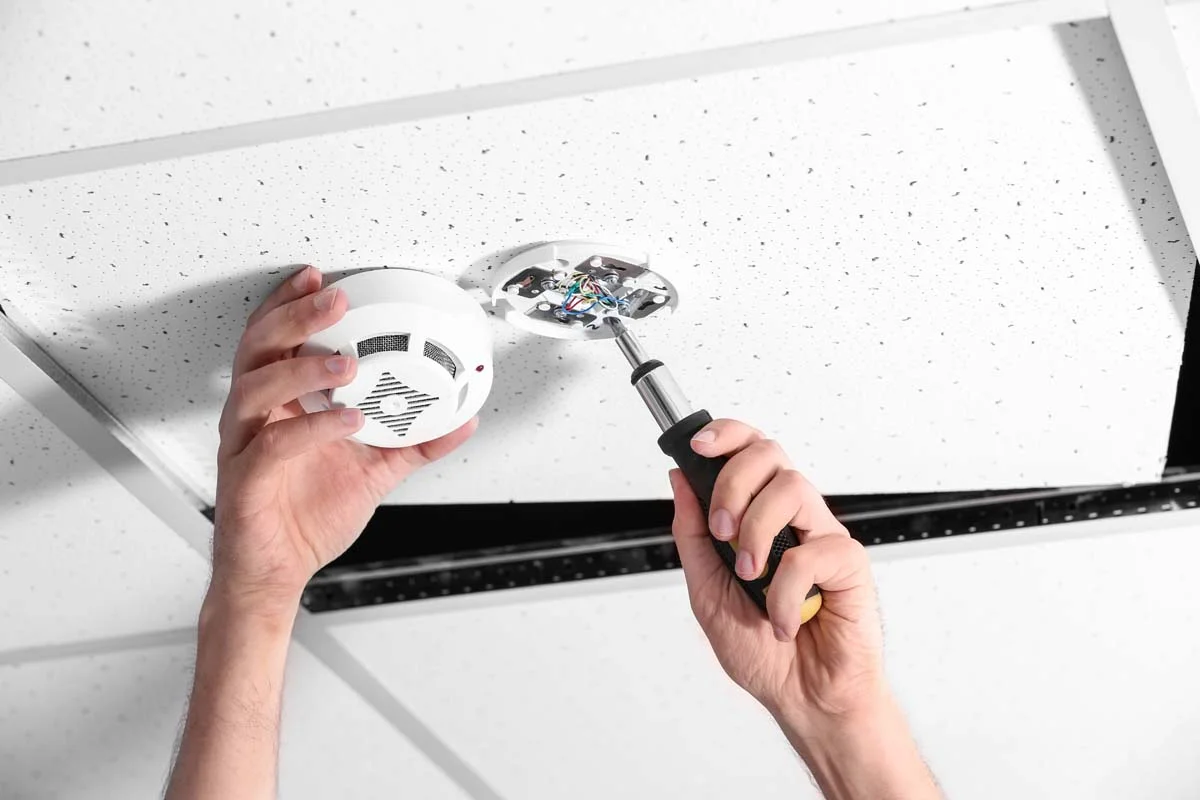
Safety guidelines shield your guests and provide peace of mind during their stay. Following these standard STR regulations prevents structural hazards and sudden legal notices from local authorities.
Active Availability and On-Property Postings
Visitors must have a clear path to get assistance during an emergency. You must also display vital community information in a visible spot inside the unit.
Make sure your property features these safety setups before you open your doors to bookings:
- State building codes: Install working carbon monoxide alarms throughout the home to meet basic safety laws.
- Clear safety details: Post the property address, emergency numbers, maximum guest limits, a floor plan showing fire exits, and contact info for your local representative in a central, visible spot.
- Local contact person: Stay available continuously during the stay to answer any guest emergency calls without delay.
Enforcement Actions and Legal Penalties
Skipping mandatory safety requirements can lead to sudden structural audits and legal problems. The state monitors these rules closely to protect public residential zones.
Be aware of the standard corrective actions if a property fails a safety review:
- First violations prompt a formal warning from the city or county attorney.
- Subsequent non-compliance is penalized as a class 2 civil infraction.
Key Tax and Operational Requirements for Sammamish STRs
Managing a guest property involves tracking specific tax rates and creating transparent instructions for your visitors. Let us look at how to handle these everyday details accurately.
Sammamish Sales Tax Rate and King County Transient Lodging
Knowing your local tax duties prevents unpaid balance penalties at the end of the fiscal year. Here is how the state organizes transient lodging revenue collections.
- Retail sales reporting must use Tax Code 1739 when filing with the state.
- The Sammamish sales tax rate 2025 and the Sammamish tax rate 2026 require hosts to track all guest revenue.
- Operators must collect King County transient lodging allocations for short stays.
- All extra charges, like cleaning fees, pet fees, and damage fees, are subject to these same lodging taxes.
Safety and Property Standards
A reliable guest home must always maintain physical integrity and aesthetic quality. Regular operational checks keep the building exterior, walkways, and lighting functional.
Keep your property structure secure by evaluating these physical areas:
- Walk through the home regularly to check entry locks, window latches, and outdoor walkways.
- Ensure all entryways are well-lit and free of tripping hazards for arriving travelers.
Guest Behavior and Neighborhood Expectations
Keeping your neighborhood peaceful is vital for a sustainable rental business. Clear community rules help minimize noise issues and parking friction.
Set transparent boundaries for your visitors by sharing these home guidelines:
- Give your guests clear instructions about the designated driveway or street parking spaces.
- Explain the local trash collection schedule and sorting rules.
- Set clear quiet hours to respect the families living around your property.
Platform compliance and short term rental regulations in Sammamish
Digital booking sites can help you streamline several hosting logistics automatically. Understanding short term rental regulations in Sammamish helps you coordinate your online calendars and guest interactions properly.
Many automated systems collect and remit specific occupancy taxes directly on your behalf. However, you remain responsible for checking your local accounts and reporting your total gross earnings accurately to the state.
Common STR Compliance Mistakes Hosts Make in Sammamish
Many property owners face unexpected operational friction because they skip basic preliminary steps. Avoiding these common errors protects your business asset and keeps your guest reviews high.
Watch out for these frequent oversights to keep your operations running smoothly:
- Ignoring licensing or tax obligations creates legal risk
- Weak operational systems that lead to guest experience problems
- Poor guest communication during unexpected events
- Underestimating local regulations and property codes
- Treating STR compliance as optional instead of a tool for long-term operational sustainability
Creating a clear daily plan keeps your business moving forward without any stress. In addition, organizing your online systems early lets you focus completely on hosting.
Once your space is ready, you can look into Sammamish property management for extra support. This helps you handle your guest messages and room layouts smoothly.
Sammamish STR Compliance Checklist
Use this simple checklist to ensure your property is fully prepared for incoming travelers. Verifying these items step by step helps you establish a reliable and orderly hosting business.
Confirm these critical steps are finished before you accept your next booking:
- STR licensing requirements reviewed and verified
- Tax obligations organized with the correct state codes
- Safety standards verified with visible postings and working alarms
- Guest rules communicated clearly in the house manual
- Operational systems prepared for seamless check-ins
- Documentation and records maintained for your business files
Optimizing Property Performance with Professional Short Term Rental Management

Once your property meets all local guidelines, you can focus on delivering amazing hospitality. Working with experts who provide property management services can elevate your hosting game. Choosing professional vacation rental management services allows you to automate your guest messaging and sync your booking calendars across multiple websites smoothly.
Enhancing guest experiences through strategic operations
Exceptional hospitality keeps travelers coming back and earns you 5-star reviews. Focusing on small details makes a huge difference.
Great hospitality depends on smooth check-ins, clear communication, and beautiful room design. A professional vacation rental manager can help you create a stylish space that stands out online.
In addition, using a provider for short-term rental management helps simplify your guest messaging and booking setups. You can also look into virtual property management options to handle online guest support from anywhere.
Enhancing Long-Term Asset Value
Protecting your physical real estate asset ensures it grows in value over time. Smart operational choices keep your home in top shape.
Consider these strategic operational methods to maximize your property value:
- Working with local experts ensures your listing stays clean and attracts high guest demand.
- A focused vacation rental management strategy helps you handle daily property coordination smoothly.
- Using professional short term rental property management workflows keeps your home immaculate for every new arrival.
- Consistent short term property management care ensures that things like maintenance coordination are handled quickly.
When you are ready to professionalize your setup, Guestable offers reliable short term rental management support to handle your hospitality and booking needs seamlessly.