What Is the Difference Between Short-Term and Furnished Rentals?
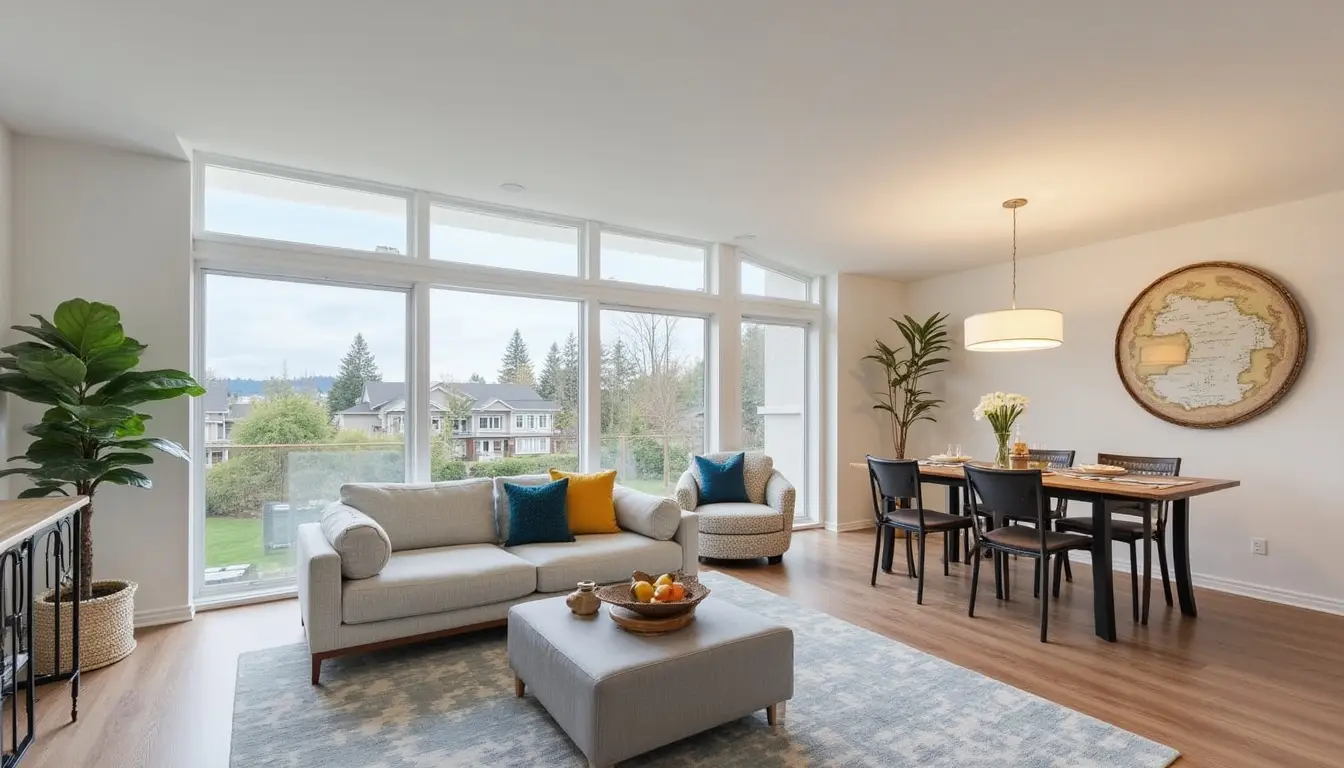
Furnished describes how a unit is equipped, while short-term describes the length of stay and the legal category it falls into under the applicable rules.
When owners search for furnished short-term rentals in Tacoma WA, they’re usually asking about stay length and use, not furniture. Keep these points in mind:
- Furnishing alone does not make a rental “short-term,” and it does not exempt a rental from anything.
- The applicable category depends on the duration of the stay, the property type and the relevant definitions.
- Tax, business licensing, landlord-tenant and other obligations can differ by rental type.
For tax purposes, the Washington Department of Revenue treats stays of 30 days or more as non-transient (long-term) and shorter stays as transient lodging. Each has a different tax treatment. However, longer stays don’t automatically remove your licensing, tax or property obligations.
If longer stays are on your list, Guestable’s mid-term rental management page describes that service.
Do You Need a Business License for a Tacoma Short-Term Rental?
Yes. According to the City, you need a City of Tacoma Business License from the Tax and License Office before you operate a short-term rental.
What to know before you apply:
- Applicant: Apply in the name of whoever operates the rental, whether you personally or a legal entity such as an LLC.
- Fees: The City publishes current fees on its business license fees page.
- Renewal: The City’s tip sheet lists TMC 6B.20 (Annual Business License) as the governing code, so expect to renew yearly.
- Added license: Renting three or more individual rooms also requires a Transient Accommodation License (see below).
The City also has a separate rental business licensing process for real-property rental activity. The City’s short-term rental guidance points owners to the general business license. If you also rent units long term, ask the Tax and License Office whether the rental license applies to those units.
When Is a Transient Accommodation License Required?
The City’s short-term rental guidance states that a Transient Accommodation License is also required if you rent three or more individual rooms. It is separate from the general business license and does not apply to every short-term rental.
Tacoma’s Transient Accommodations page describes the activity as managing or operating lodging with three or more guest rooms for periods of less than 30 days. According to the City, transient accommodations don’t include renting an entire dwelling or an accessory dwelling unit (ADU) separately, or renting one or two guest rooms in an owner-occupied home. So an entire-home rental doesn’t need this license, though occupancy is still limited by the Minimum Building and Structures Code (TMC Title 2), according to the City’s short-term rental tip sheet.
If the license applies to you, three City departments review your application before you start operating: the Tacoma Fire Department, Environmental Services (Source Control) and Planning and Development Services. The City says a decision can take 10 to 15 business days.
The license also comes with operating conditions. You must keep guest records for three years, have a manager on the premises whenever the property is operating, and give each guest room its own number or letter. These rules fall under Tacoma Municipal Code 6B.140.
Even without this license, an entire dwelling or ADU is still subject to occupancy limits, which are set by the Minimum Building and Structures Code (TMC Title 2).
How Do Zoning and Property Type Affect Tacoma Short-Term Rentals?
Two properties on the same street can have different answers, depending on their zoning, layout and intended use. Tacoma short-term rentals aren’t governed by one blanket rule that makes every property eligible.
Rental arrangement | What current City sources say |
Entire home | The owner doesn’t have to live there. In mixed-use districts, street-level rentals on designated core pedestrian streets are prohibited. |
One or two guest rooms | Allowed in all residential districts, as long as an owner lives in the home during the rental. |
Three to nine guest rooms | Needs a Conditional Use Permit in R-3, R-4L, R-4, R-5, RCX and NRX districts. Allowed in commercial, mixed-use and downtown districts, except RCX and NRX. The Transient Accommodation License also applies. |
ADU | Allowed, but the owner must live in either the primary dwelling or the ADU. |
These are summaries of the City’s guidance, and tip sheets do not replace the code.
Renting an Entire Home
If you plan to rent a whole dwelling, verify that this use is permitted for your property’s location. Do not assume that rules written for individual-room rentals apply to whole homes, or the reverse.
Renting Individual Guest Rooms
Renting individual rooms can come with different requirements than renting a whole home. The City treats one or two guest rooms in an owner-occupied home differently from three or more rooms.
Renting three to nine guest rooms requires a Conditional Use Permit in the R-3, R-4L, R-4, R-5, RCX and NRX districts, according to the City’s tip sheet and the zoning code (TMC 13.06).
Renting an Accessory Dwelling Unit
ADUs can be used as short-term rentals in Tacoma, but under the City’s 2025 ADU tip sheet, the owner must live in either the ADU or the main home. You can’t rent both short-term while living elsewhere.
Verify the Current Zoning and Land-Use Requirements
Start with the Tacoma Municipal Code and the City’s Planning and Development Services resources, including the short-term rental tip sheet linked from the City’s licensing page.
Confirm your property’s zoning, the land-use provisions for your rental type, and whether any additional approval is needed. Tip sheets are guidance, not a substitute for the code.
Are There Owner-Occupancy Requirements for Tacoma Short-Term Rentals?

Yes, but only for certain arrangements, so your specific setup matters. Owner-occupancy isn’t a blanket rule for every Tacoma short-term rental.
What the City’s current sources say:
- Individual guest rooms: An owner of record must occupy the dwelling during the rental term.
- ADU: The owner must occupy either the primary dwelling or the ADU.
- Entire home: The owner isn’t required to live there, according to the City’s.
If you are unsure how your plan is classified, ask Planning and Development Services or the Tax and License Office before you start.
What Safety Requirements Apply to Tacoma Short-Term Rentals?
Tacoma short-term rentals must meet City and Washington State safety rules.
City of Tacoma:
- Operating smoke and carbon monoxide detectors
- A safety sign in each room or unit showing fire extinguishers, gas shut-offs, fire exits and/or the fire alarm
- A guest notice that personal fireworks are illegal in Tacoma
- Interconnected smoke and carbon monoxide alarms in attached ADUs
Washington State:
- A guest contact available for the whole stay
- Compliance with state carbon monoxide alarm rules
- Posted address, emergency contacts, fire-exit floor plan, maximum occupancy and operator contact
Violations can lead to a warning letter, then a civil infraction. If you need a Transient Accommodation License, the Tacoma Fire Department will also review your application.
What Taxes Apply to Short-Term Rentals in Tacoma?
City licensing and state tax obligations are separate issues. A City business license does not settle your Washington tax obligations.
The Washington State Department of Revenue’s short-term lodging guidance says transient lodging is generally subject to the retailing B&O tax and retail sales tax, along with applicable lodging taxes. Treatment depends on the type of lodging, its location and other facts.
Washington State Sales and Business Taxes
The Department of Revenue’s lodging guide also explains which charges count as lodging sales, so look up how cleaning fees, pet fees and similar charges are treated. It also helps to track your income by charge type. This is a basic part of property revenue management services, since the figures you report need to match what you actually collected.
Applicable Lodging Taxes
The Washington Department of Revenue says most locations in the state charge additional lodging taxes on lodging sales. Moreover, lodging businesses report them using the location code of the property.
Start with the Department’s lodging taxes guidance. Rates change and vary by location and reporting period, so look up the current rate for your address directly from official sources.
Who Is Responsible for Collecting and Remitting Taxes?
It depends on how guests book and how your rental is managed. The Washington Department of Revenue notes that some online marketplaces have agreements with the state to collect and pay certain taxes on a host’s behalf. It advises owners to check their contract with the marketplace or property manager to see whether it covers tax collection and payment.
A booking platform or property manager doesn’t automatically handle every tax obligation. You may still need to register with the state, file returns and keep records. Confirm which taxes are collected for you, which aren’t, and what remains your responsibility. If your situation is complex, talk to a qualified tax professional or the Department of Revenue.
What Other Restrictions Should Tacoma Property Owners Check?
City permission and licensing do not necessarily override private restrictions. This is a separate due-diligence step. Review, where applicable:
- HOA or condominium governing documents
- Lease terms and subletting provisions
- Mortgage conditions
- Insurance requirements, including whether your policy covers short-term rental use
- Building access and guest registration rules
- Other property-specific agreements
These rules vary widely. Some buildings and policies address short stays and others do not, so read your own documents rather than assuming.
Tacoma Short-Term Rental Compliance Checklist
Use this list to identify what to investigate before launching or changing a rental. It is a general checklist, not a guarantee of compliance. Requirements depend on your property and intended use.
- Make sure the property is within Tacoma city limits.
- Decide the rental arrangement and stay duration.
- Look up the property’s zoning and the use table for your arrangement.
- Get a City of Tacoma Business License.
- Add a Transient Accommodation License if you rent three or more individual rooms.
- Meet owner-occupancy rules for room and ADU rentals.
- Install detectors, post the City safety sign and post the state-required information.
- Carry at least $1 million in primary liability insurance, or book through a platform that provides it.
- Register for and report Washington State taxes.
- Review HOA, condo, lease, mortgage and insurance restrictions.
- Keep copies of licenses, approvals and property records.
- Recheck official rules before launching or materially changing the rental arrangement.
What Happens if You Operate a Short-Term Rental Without Meeting the Requirements?
Operating without required licenses, or in violation of land-use or safety rules, can lead to regulatory and financial consequences. The specifics depend on the requirement involved, so this guide doesn’t list penalty amounts or enforcement steps. For those, check the Tacoma Municipal Code and the City’s official guidance.
Not every paperwork gap leads to the same outcome. Still, if you’re unsure whether your rental is eligible, settle it with the City before accepting reservations. That’s much easier than fixing a listing that’s already taking bookings.
If you’d rather not handle licensing follow-up, guest operations and recordkeeping yourself, it helps to understand the benefits of hiring a property management company and where a manager’s responsibilities end and yours remain.
How Guestable Can Help Tacoma Property Owners
Understanding the rules is an important first step. Rental owners should verify their eligibility and requirements, then choose an operating approach that fits their property and responsibilities.
Guestable provides property management support for owners who want help running furnished rentals. That can include rental strategy, property setup, guest operations, cleaning coordination, pricing and booking operations, and ongoing property management. Owners in the area can learn more about Airbnb property management in Tacoma.
For a broader view of what ongoing support looks like, see Guestable’s property management services and its short-term rental management approach.