Do I Need a Permit for Short Term Rentals in Rancho Cucamonga: How to Start (Step-by-Step)

Yes, you must have three specific items before you can host any guests. Starting without these can result in the loss of your hosting privileges.
Step 1: Verify your eligibility
Confirm your home is in a permitted zone and that it is your primary residence. You will need to provide documentation, such as tax records or a driver’s license, to prove this is your permanent home. This step keeps neighborhoods stable and prevents them from becoming strictly commercial areas.
Step 2: Apply for your permits and licenses
You must submit your application through the city’s Business Licensing Division. This process includes applying for a short term rental management permit and a separate business license.
- Pay the fees: The application fee for a new permit is a non-refundable $201.00.
- Assign contacts: You must provide an emergency contact who can respond to issues at the home within 30 minutes.
- Show your permit: Every online ad must display your official permit number and a street-view photo of the property.
Step 3: Register for the Transient Occupancy Tax (TOT) certificate
Every host must register for a TOT certificate to legally collect taxes from guests. Following the passage of Measure Q, the Transient Occupancy Tax in Rancho Cucamonga increased to 12 percent. This change helps fund local services like road repairs and public safety. Meeting these Airbnb host requirements ensures your Airbnb income stays protected while you focus on maintenance coordination.
Step 4: Pass a fire and life safety inspection
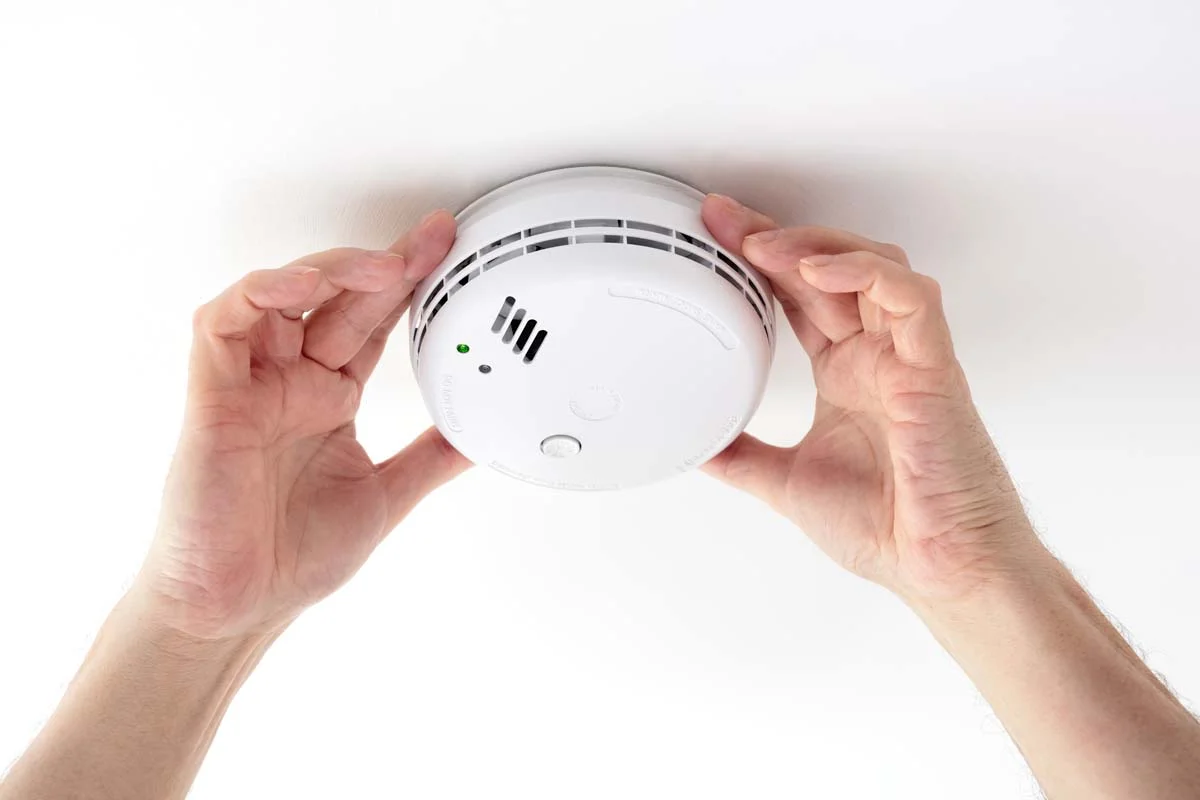
Before your permit is approved, city staff will visit your home for a safety inspection. They check for working smoke and carbon monoxide alarms on every floor and in every sleeping area. You must also have a fire extinguisher that is easy to find and post an emergency exit plan clearly in the unit.
Responsible Hosting Disclaimer: Regulations vary by location. Hosts are responsible for complying with all local laws, taxes, and platform policies. This guide is for informational purposes only and does not constitute legal advice.
Common Mistakes Hosts Make with Short Term Rentals in Rancho Cucamonga
Avoiding simple errors is the best way to keep Airbnb hosting legally in your neighborhood. Have you checked your current listing for these frequent mistakes?
- Exceeding the 90-day limit: If you are not at home, you are capped at 90 days each year. You must track your calendar carefully to stay within these short term rental laws.
- Missing local tax payments: You must collect and pay the 12 percent tax on time every month. Forgetting this can lead to penalties and the loss of your permit.
- Ignoring neighbor concerns: Neighbors can report noise, odors, or parking issues directly to city staff. Following your Airbnb host responsibilities and keeping up with maintenance coordination helps prevent these complaints.
To avoid these risks, many hosts look into property management services to handle the daily details. You might find that you need help with short term rental management in Rancho Cucamonga to keep things running well and ensure your home meets all city standards.
Short Term Rentals Rancho Cucamonga Compliance Checklist
Staying organized is the key to being a good host. Use this list to make sure you have everything ready for the city:
- Primary residence: You have proof that you live in the home.
- Permit approved: Your city-issued permit number is visible on your listing.
- Business license: Your local license is current and active.
- TOT registration: You are set up to pay the 12 percent tax monthly.
- House rules: Your guests know about the two-person-per-bedroom limit and parking rules.
Professional Coordination for Your Rancho Cucamonga Homeshare

Managing a rental involves many small tasks, like cleaning and talking to guests on platforms like Airbnb and Vrbo in Rancho Cucamonga. Vacation rental management services can assist with the operational requirements of running a listing.
A vacation rental manager typically handles daily tasks such as maintenance coordination and guest communication. This short term property management approach helps ensure a property remains ready for visitors at all times.
Top-rated companies like Guestable provide Airbnb management for Rancho Cucamonga and short term rental management to help hosts maintain compliance with city standards while they manage their property. Implementing a professional management strategy provides the operational consistency needed to thrive within Rancho Cucamonga’s rigorous regulatory framework.