The City of St. Catharines Short-Term Rental By-Law provides the rules you need to follow so you can host guests safely in your own home. These local guidelines keep the community balanced by ensuring that neighborhoods stay quiet and housing remains available for long-term residents. Learning these requirements early helps you build a stable hosting arrangement that meets all city safety standards.
What Are the Licensing Requirements for Short Term Rentals in St. Catharines?

Getting a license is a clear process that ensures every host meets safety standards. You must be at least 18 years old to apply for a permit to host short term rentals in St. Catharines.
The city requires several documents to prove your property is safe and ready for guests. This is a key part of short term rental management. Here are the steps to gather your application package as outlined by the City of St. Catharines Short-Term Rental Licensing guidelines:
Step 1: Confirm basic eligibility
The city only allows the person who actually lives in the home to hold the license. You will need to provide a copy of your property deed or a lease agreement. If you are a tenant, you must also provide written consent from your landlord to host.
Step 2: Create property sketches and photos
The city needs to see the exact layout of your home and the surrounding land.
- Site Plan: An overhead sketch showing buildings, roads, and garbage facilities.
- Floor Plans: Interior drawings marking every bed and the maximum occupancy for each room.
- Photo Evidence: You must provide clear photos of the building frontage, rear yard, all bedrooms, hallways, and common areas.
Step 3: Develop a parking management plan
To prevent street congestion, all guest parking must be managed on-site.
- Space Ratio: Provide one dedicated parking spot for every bedroom being rented.
- Location: All spots must be within property boundaries; on-street parking is not permitted for guests.
- Format: A scale drawing identifying exactly where these spaces are located.
Step 4: Prepare safety protocols and insurance
Safety is a core duty of a vacation rental manager.
- Safety Certificates: You must provide an Electrical Safety Certificate dated within 12 months of your application.
- Insurance Minimums: Your policy must show general liability coverage of at least $2 million per occurrence, specifically naming the City of St. Catharines as an “Additional Insured” if requested.
- Advanced Fire Safety: Homes with five or more bedrooms require a formal Fire Safety Plan detailing building shut-offs and emergency roles.
Step 5: Final application and payment
Once your documents are ready, you can submit them through the city portal. A non-refundable application fee (currently $534.05) is required before staff begin their review.
Can I rent out a property that is not my primary residence in St. Catharines?
No, you cannot operate a dedicated, full-time rental property in this city if you do not live there.
The city only allows “Occasional Renting” for a maximum of 28 days at a time, such as when you go on vacation. This rule is designed to keep apartment rentals in St. Catharines available for people who live and work here. If you own a second home that you do not live in, it is better suited for long-term house rentals in St. Catharines.
Operating Within the Lines: Zoning and Safety Standards
Zoning laws decide what you can do with your land. The St. Catharines Zoning By-law 2013-283 explains the specific locations where homesharing is permitted to exist as a secondary use.
Before you list, check for Holding (H) Provisions on your property. These symbols can delay your hosting if municipal services like water or sewers are not yet finalized.
Why Short-Term Rental Regulations in St. Catharines Matter
Following the rules is the only way to ensure your hosting setup lasts. If you ignore local laws, you risk facing significant administrative penalties through the city’s internal monitoring systems.
Staying legal ensures your hosting arrangement stays steady and your property stays in good standing. This includes collecting the Municipal Accommodation Tax (MAT), which is a 2% tax applied to all stays of 30 days or less. Keeping your tax and licensing records clean helps maintain a healthy community and avoids formal disputes with city officials.
Common Mistakes Hosts Make in St. Catharines
Many people get into trouble because they do not read the fine print. Avoiding these common errors will save you time and help you maintain a positive relationship with the city.
Incomplete Safety Signage
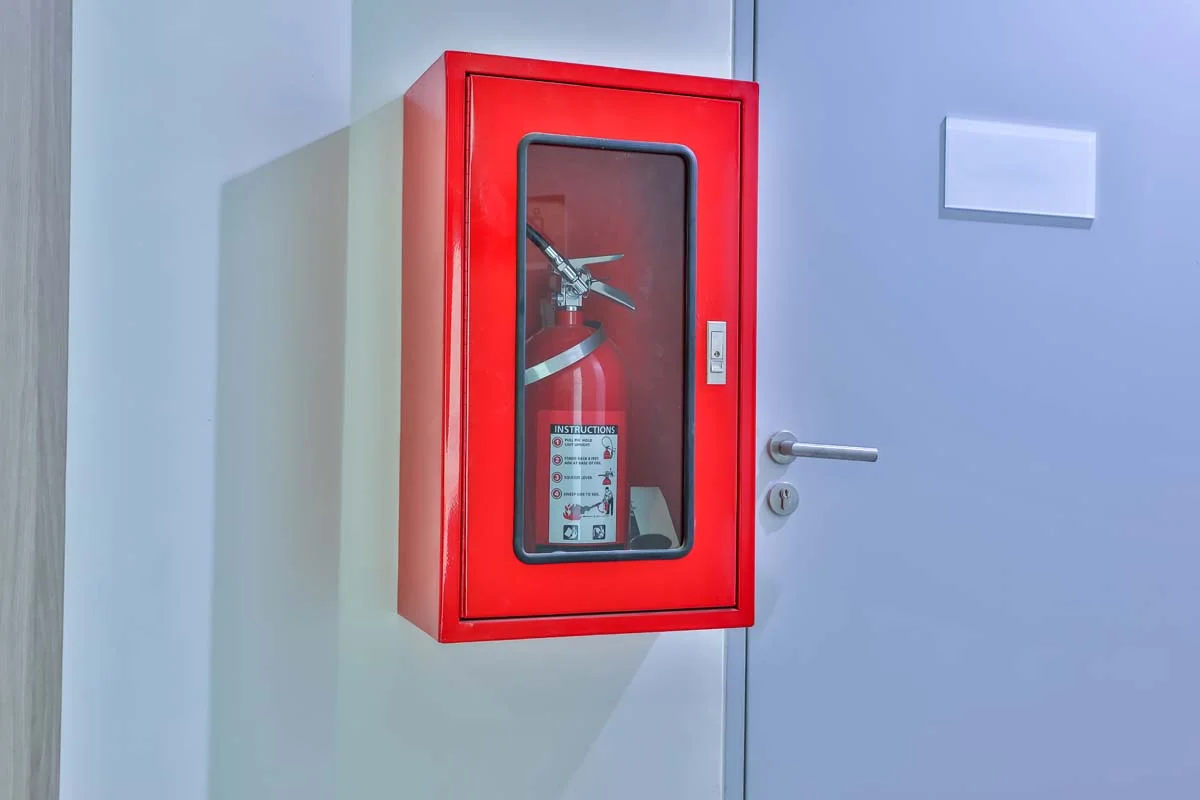
A major slip-up is failing to post the Fire Safety Protocol in a visible common area. This “hotel-style” map must be easily accessible so guests know exactly where to find exits and fire extinguishers in an emergency.
Parking and Sidewalk Obstruction
The city focuses heavily on parking during weekend inspections. Even if you have enough spaces, your guests cannot block public sidewalks or overhang into the street.
Communication and Noise
If a neighbor cannot reach you to resolve a noise issue, they are likely to contact city bylaw officers. This creates a paper trail that can lead to demerit points. Ensuring your neighbors have a local contact number is a simple step that prevents many long-term issues.
Enforcement and the Demerit Point System
The city manages hosting standards through the Administrative Monetary Penalty System (AMPS). This allows officers to issue fines ranging from $100 to $1,000 for local violations without the need for a court process. Alongside these fines, the city uses a demerit point system to track ongoing issues, where individual infractions can carry a weight of two to 10 points.
Demerit points stay active on your license for two years. Reaching certain point thresholds leads to specific operational penalties:
- 5 to 9 points: A three-month license suspension (with the right to appeal).
- 10 to 15 points: License revocation for the remainder of its two-year term (with the right to appeal).
- 15+ points: License revocation for the remainder of its term (with no right to appeal).
This system is why Airbnb management in St. Catharines requires consistent attention to noise, parking, and waste bylaws. It is also important to note that St. Catharines uses a density cap that only allows one license within a 300-metre radius.
If your license is revoked, you may lose your spot to another resident on the city’s waiting list, making it very difficult to resume hosting in the future.
St. Catharines Short-Term Rental Compliance Checklist
Use this list to see if you are ready to host:
- Primary residence status confirmed via deed or lease
- STR license renewed every two years
- Electrical Safety Certificate updated (within 12 months)
- $2 million liability insurance with homesharing coverage
- Municipal Accommodation Tax (MAT) registration complete
- Guest fire protocol and local contact info posted
Professional Stewardship in St. Catharines

Keeping up with the latest St. Catharines bylaws requires constant attention. The rules can change, so you must stay informed to keep your home compliant.
Professional vacation rental management services can help you keep your hosting setup running smoothly. Companies like Guestable provide support for guest communication and maintenance coordination to ensure a high standard of care. While property management services handle customer satisfaction and quality, compliant homeowners like you can focus on following the law. This way, you can contribute to a healthy tourism market.