Does Airbnb Track Your Total Nights Booked Automatically?

Airbnb does have a tool to help you see your Airbnb total nights booked, but it is not always easy to find. Recent changes to the website have hidden this data deeper in the settings.
Knowing the right way for tracking Airbnb nights is key if you use the platform exclusively. However, you should not rely on this number alone if you list your home in multiple places.
Finding your data in the Airbnb calendar
You can find some of this data by looking at your Airbnb calendar under the hosting tab. It shows your upcoming stays, but it does not always give you a quick running total for the year.
Limitations of Airbnb tracking
The biggest issue is that Airbnb only knows about stays booked through its own site. It cannot see your bookings or stays from other short term rental marketing platforms. This is why a vacation rental manager usually keeps a separate master list.
How to Track Airbnb Nights Used (Step-by-Step Guide)
Finding your stats on Airbnb is a bit like a treasure hunt because of recent updates. Follow these steps to find out how to track STR nights on your account.
Airbnb moved these settings to make the interface look cleaner, but the data is still there. Use these steps to see your current count:
- Step 1: Go into your Listing Settings on the hosting dashboard.

- Step 2: Click the Gear Icon to Edit Preferences, then click the section labeled Regulations


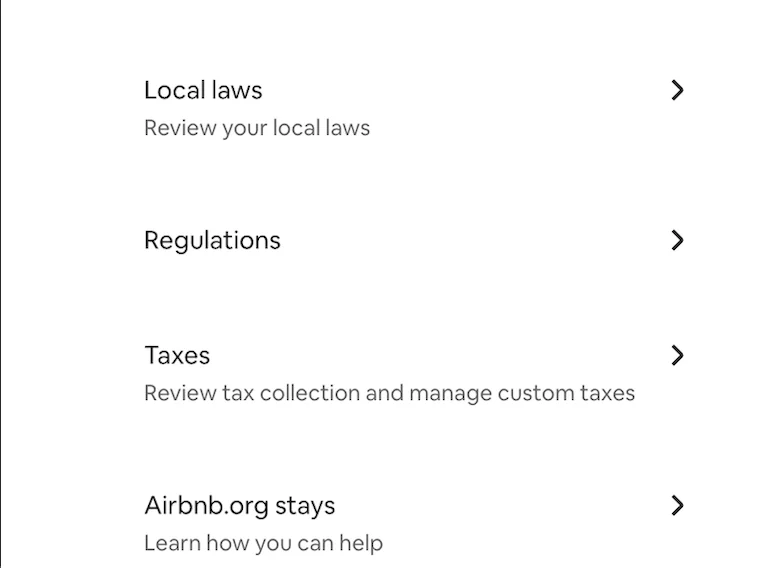
- Step 3: Look for the text that says “Track the number of nights you host” to see your STR nights used.


Why Airbnb Tracking Alone Isn’t Enough
If you want to be a top short term rental host, you probably use more than one website. Relying only on one app for STR compliance can lead to big mistakes. Almost every city counts every single night your home is rented, no matter where the guest booked. You must combine your data from every source for bookings under 28 days to see your true total.
How to Track Short-Term Rental Nights Across All Platforms

The best way for tracking short term rental nights is to have a single source of truth. You can use simple tools or advanced software to stay organized.
There are three common ways to keep your records straight. Each method has pros and cons depending on how many homes you own:
- Manual tracking using a spreadsheet: A spreadsheet is a free way to manage your short-term rental management. You just need to enter the dates every time a new guest confirms a stay.
- Using calendar-based tracking: You can use a digital calendar like Google or Apple to see your stays at a glance. Many short term rental management companies use synced calendars to avoid double bookings. This is also a simple way to stay visual and organized.
- Using property management tools: Professional property management tools can make the entire process easier. These tools are often used to handle large numbers of homes at once.
Understanding the Airbnb 180-Day Rule and Other Limits
The 180-day rule is a key part of the local law for many hosts in Toronto. It means you can only rent your entire home for under 28 days at a time for up to 180 nights in a single year. Staying on top of short term rental regulations is the best way to keep your hosting journey uncompromised. Knowing your limits helps you avoid unexpected shutdowns.
How night limits vary by location
Rules for short term rentals in Toronto often differ from those in nearby places like short term rentals in Oakville or short term rentals in Mississauga. Cities like Brampton and Richmond Hill also have their own specific limits on short term rental nights. Always check if your local area requires short term property management permits before you start hosting. If you go over your allowed nights, the city may revoke your license and issue a fine for the infraction.
How Occupancy Rates Relate to STR Night Tracking
Your short term rental occupancy rates tell you how often your home is full compared to how often it is available. Tracking your nights helps you understand these numbers better.
Using occupancy data to optimize your listings
Market data tools help you track how many people are visiting the Toronto market. You can use these tools to monitor short term rental occupancy rates and make smart pricing choices based on demand. By watching vacation rental occupancy rates, you can pick the best dates to open your calendar. This is a smart short term rental management strategy to help you reach your home-sharing goals without the technical headaches.
Common Mistakes When Tracking STR Nights
Even experienced hosts make mistakes when they are tracking short term rental nights. These errors can lead to stress and legal trouble.
Here are a few other things to watch out for:
Only tracking Airbnb bookings
The City of Toronto accounts for every night booked, regardless of the platform used. Maintaining a consolidated calendar across all booking sites provides the most accurate view of your total activity.
Misunderstanding local regulations
Laws change often, so staying updated is necessary. Bylaws in the Toronto area can shift based on new city council decisions or housing policy updates. Reviewing official municipal notices ensures your hosting activities align with the latest local requirements and expectations for the home-sharing market.
Tips to Stay Compliant with STR Regulations
Staying on the right side of the law does not have to be hard. You just need a routine that keeps STR compliance front and center.
Set monthly tracking checkpoints
Check your total numbers on the first of every month. This helps you see if you are booking up too fast. It is also a good time to check on your maintenance coordination needs.
Use STR compliance and alerts
You can set your calendar to stop taking bookings once you hit a certain number. Virtual property management provides a structured way to stay organized, reducing the potential for recording errors throughout your home-sharing journey.
A Professional Approach to Managing Short-Term Rentals

Managing a rental is a lot of work, but keeping your license is the most important part. By tracking short term rental nights carefully, you can enjoy your income without worrying about fines.
Diligent habits for tracking short term rental nights ensure that hosting activities remain uninterrupted and aligned with local standards. Ultimately, a proactive approach to local standards is what ensures your home-sharing activities remain a welcome and lasting part of the Toronto community.