Beyond the Slump: Diversifying with Multiplexes and Flexible Rental Strategies
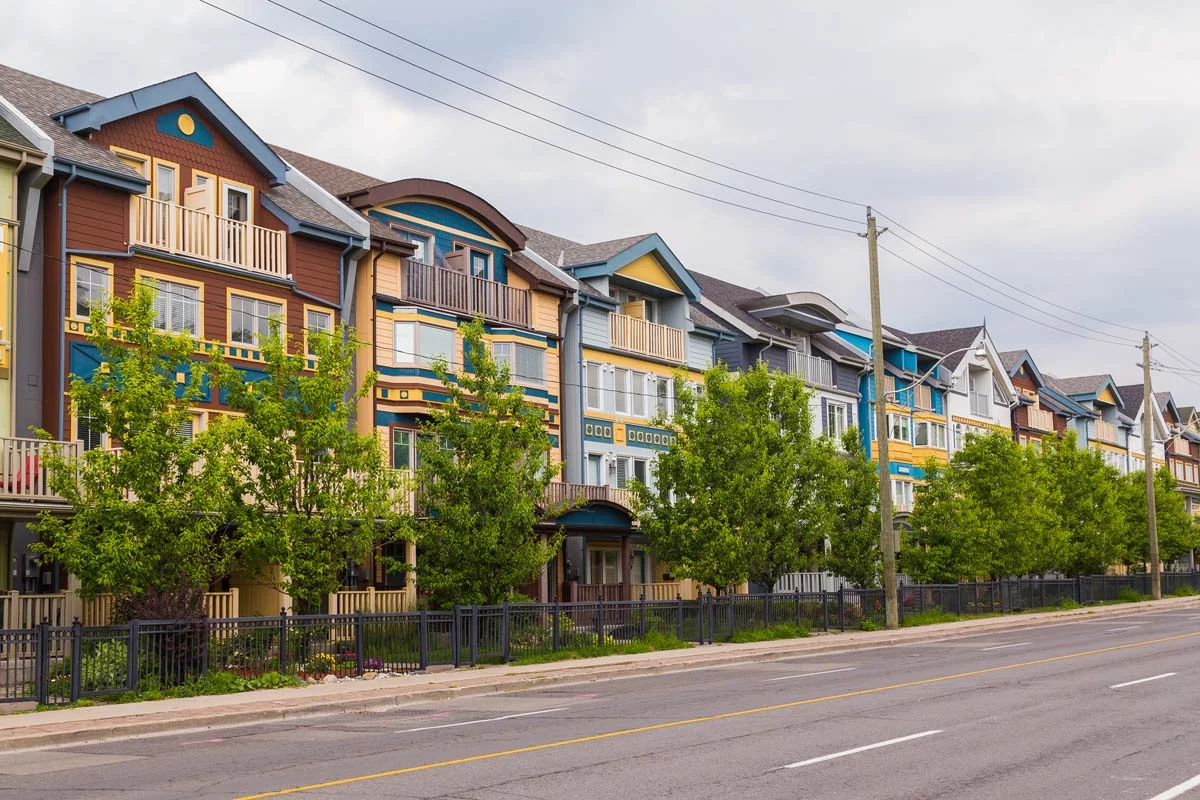
Modern strategies often involve maximizing the utility of a single piece of land. Instead of keeping a house as a single-family home, many are exploring how to add more units to the same lot.
The shift to “gentle density” (multiplexes)
The city has introduced as-of-right zoning that allows for up to six units on residential lots in specific areas. This policy is part of a plan to increase housing supply with support from the federal Housing Accelerator Fund. According to the City of Toronto, these changes are part of the Expanding Housing Options in Neighbourhoods initiative.
Converting a property into one of these multiplexes can make your asset more valuable. This approach helps you build a more resilient property investment in Toronto by providing more housing options on a single lot. Using gentle density is a key part of investing in Toronto real estate today, as it meets city needs while growing your portfolio.
Comparing rental frameworks
There are three main ways to manage a rental property today. Each model uses different flexible rental strategies and requires a unique approach to day-to-day operations.
- Long-Term Rentals (LTR): These provide the most stability and are best for those who want predictable, year-round income from a tenant with a yearly lease.
- Short-Term Rentals (STR): This involves short term rentals in Toronto where stays are usually less than 28 days. This model needs active short-term rental management to handle frequent guest arrivals.
- Mid-Term Rentals (MTR): This “30-day plus” model serves people like traveling nurses and corporate workers. Demand for these stays grew by approximately 136 percent between 2019 and 2025. This model allows for a higher monthly income than a traditional lease without the constant guest turnover of nightly stays.
What Are The Rules For Short-Term Rentals In Toronto?
The regulatory landscape for short stays is focused on preserving housing for residents. Currently, you can only offer short-term stays in your primary residence, and there is a 180-night annual limit for renting out an entire home.
There is also a temporary increase in the Municipal Accommodation Tax to 8.5 percent through July 2026. For those who want to host in Toronto legally, these rules are a central part of planning. Many people find that mid term rental management is a helpful alternative because stays of 30 days or more generally bypass the nightly stay restrictions and the associated nightly taxes.
Key Factors Investors Should Consider Before Choosing a Rental Strategy

Selecting a rental model depends on the type of property and where it is located in the city. A downtown unit will have different needs than a house in a quieter neighborhood.
- Condo Bylaws: Many buildings have their own rules about rentals, so it is important to check if short stays are allowed.
- Location: Areas near hospitals or transit hubs are often well-suited for mid-term corporate guests who need easy access to work.
- Maintenance Coordination: Frequent guest turnover requires a plan for regular cleaning and small repairs to maintain high standards.
- Operational Time: You should decide if you want to handle guest needs yourself or hire professional Airbnb management in Toronto.
Common Mistakes Toronto Real Estate Investors Make
One common oversight is viewing rental property as a completely passive source of income. Modern rentals often function more like a service-oriented business that needs constant attention.
There are several pitfalls that can impact your success if you do not plan for the daily needs of a property.
- Underestimating operational costs: Many owners forget to plan for the full cost of maintenance coordination and the price of finding new tenants. Professional tenants expect a high level of care, and failing to budget for these tasks can lead to lower satisfaction.
- Ignoring professional standards: Corporate and healthcare guests often prefer a clean, standardized look over personal decor. Providing a professional environment with features like reliable mesh Wi-Fi is more effective for attracting these mid-term renters.
- Failing to watch local competition: A common mistake is not watching Toronto rental market trends regarding what other owners are offering. If you do not offer incentives such as all-inclusive utilities when the market is slow, your property may sit empty.
- Over-extending through double-counting: New rules from the OSFI in 2026 prevent investors from using the same income to qualify for multiple mortgages. This change makes it much harder to grow a large portfolio without a very clear financial plan.
- Cutting costs on oversight: Some owners try to save money by reducing the amount of help they hire, but this can lead to bigger issues. High-value tenants expect reliability and a professional experience.
What Toronto Investors Should Focus on Moving Forward
Sustainability in the market often comes from being able to adapt to new rules and tenant preferences. There is no longer a single “right” way to invest in the city.
Success in investing in Toronto real estate depends on matching your asset to the right rental model. Whether you focus on long-term families or mid-term professionals, quality remains a key factor. Properties that are well-kept and managed with care tend to perform better, even when the broader market is in a readjustment phase.
Optimizing Your Portfolio: Strategic Management in a Competitive Market

As the market becomes more competitive, the role of professional oversight has grown. Specialized investment property management in Toronto can help owners handle the daily tasks of modern renting.
Using a service for short term property management can help ensure that guests have a consistent experience. Companies like Guestable offer options for vacation rental management and short term rental property management. These services focus on the operational side of the property, which allows the owner to focus on their broader investment goals and scaling their portfolio.