Vacation rentals see far more wear and tear than a typical home, with a steady stream of guests putting stress on every system and surface day after day. Keeping the property in good condition takes ongoing work, but not every issue can, or should, be handled the same way.
That is the core of preventive maintenance vs reactive maintenance. Preventive maintenance is planned work. It includes inspections, servicing and routine upkeep, that are meant to keep equipment in good condition and catch issues before they fail. Reactive maintenance is work done after a problem, failure or damage has occurred.
Most vacation rentals deal with both. This guide by Guestable explains how they differ, when each fits, and how to organize them into a practical plan.
What Is Preventive Maintenance?
Preventive maintenance means handling upkeep on your own schedule, so small issues get attention before they turn into urgent repairs.
In a vacation rental, that might include:
- Routine HVAC servicing and filter changes
- Checking plumbing for visible leaks
- Checking doors, locks and hardware
- Inspecting exterior areas
- Maintaining appliances
- Checking smoke and carbon monoxide alarms
- Scheduling recurring property inspections
Preventive maintenance can’t promise a failure-free property, but it gives you a head start by helping you plan ahead and catch small problems while they’re still easy to fix.
What Is Reactive Maintenance?
Reactive maintenance is work performed after an issue occurs or a failure is identified. Examples include:
- Repairing a leaking faucet
- Fixing a broken door or damaged lock
- Replacing a failed appliance
- Addressing a heating failure
- Fixing damage discovered during a guest stay or inspection
Reactive maintenance is often unavoidable, and it isn’t automatically a sign of poor management. Equipment can fail without warning, and guests can cause accidental damage. Even a well-maintained property will have unexpected repairs.
Preventive Maintenance vs. Reactive Maintenance: What’s the Difference?
| Factor | Preventive Maintenance | Reactive Maintenance |
| Timing | Planned before failure | Performed after an issue occurs |
| Primary purpose | Maintain condition and identify potential issues | Restore the property or system after a problem |
| Planning | Scheduled | Usually triggered by an issue |
| Typical examples | Inspections, servicing, routine upkeep | Repairs, replacements, emergency fixes |
| Operational impact | Can be scheduled around bookings | May require urgent coordination |
| Guest disruption | May be easier to plan around | Can occur during or close to a guest stay |
| Predictability | Generally more predictable | Often less predictable |
| Best use | Recurring maintenance and known systems | Unexpected failures and urgent problems |
Reactive maintenance vs preventive maintenance is not actually a competition since both have a role to play. Preventive maintenance keeps your known systems in good shape, while reactive maintenance handles the surprises. Together, they cover what you can predict and what you can’t.
When Does Preventive Maintenance Make Sense for a Vacation Rental?
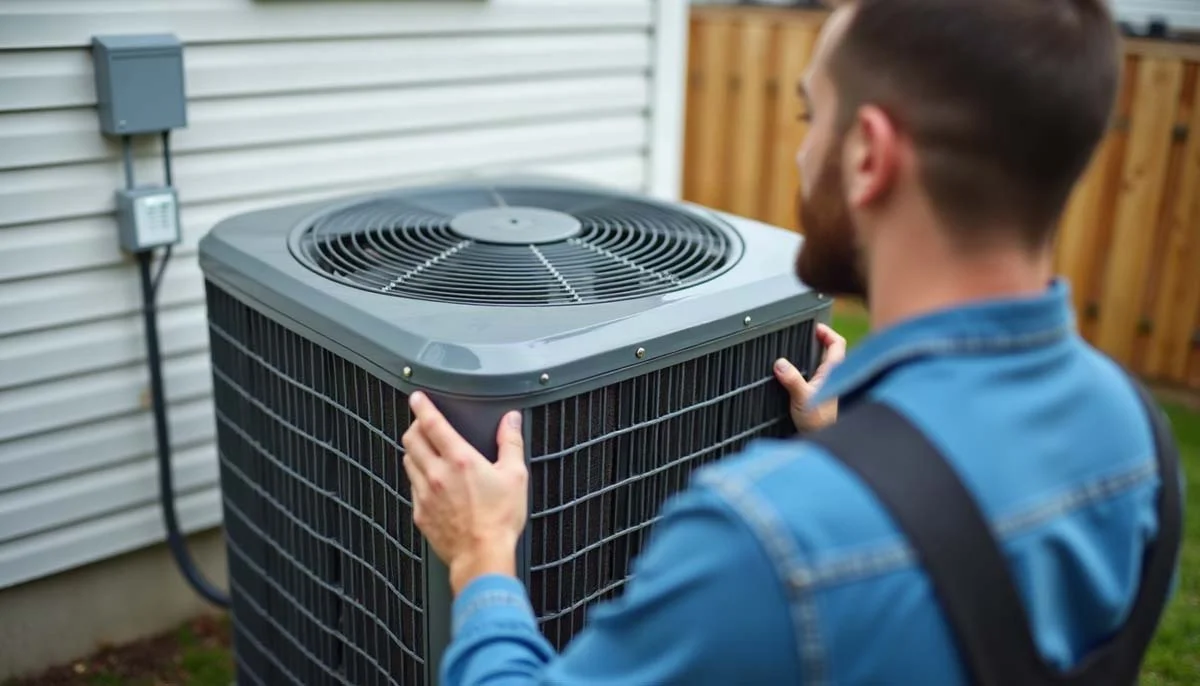
Not every part of your rental needs the same level of attention, but planned maintenance is especially useful in these situations:
High-use systems
HVAC, appliances, locks, plumbing fixtures and other frequently used components may benefit from regular inspection or servicing, because guest turnover adds wear.
Seasonal systems
Heating, cooling, pools and outdoor equipment can be checked before their busy period. Inspecting or changing HVAC filters monthly is recommended, though your equipment manufacturer’s guidance should set the schedule for your specific units.
If you’re mapping maintenance to your busy periods, our guide to vacation rental seasonality can help you think through the calendar.
Safety-related equipment
Smoke and carbon monoxide alarms should be maintained according to manufacturer guidance and applicable requirements.
The U.S. Fire Administration advises testing smoke alarms monthly and replacing the entire alarm 10 years after its manufacture date. Meanwhile, the Consumer Product Safety Commission recommends that CO alarms should be tested and replaced according to the manufacturer’s instructions.
Local rules for rentals can differ, so check what applies where your property is located.
Recurring property issues
If the same problem keeps coming back, it’s worth investigating the underlying cause rather than repeatedly fixing the symptom.
When Is Reactive Maintenance Necessary?
Some repairs are not easy to plan. Common examples include:
- Sudden leaks
- Appliance or equipment failure
- Storm damage
- Accidental damage
- Broken locks or hardware
- Unexpected electrical or plumbing problems
The right response depends on severity, safety, property impact and urgency.
- Emergency: an immediate safety or property risk, such as an active water leak or a heating failure in freezing weather.
- Urgent: should be addressed quickly but doesn’t need an emergency response, such as a malfunctioning appliance.
- Routine: can be scheduled without immediate disruption, such as a loose cabinet handle.
If a repair means blocking dates, it helps to know how that fits into your overall short-term rental pricing strategy, so you can adjust the calendar without losing track of the bigger picture.
How Vacation Rental Management Can Support Maintenance

Maintenance involves a lot of coordination, and that’s where property management services can help. Depending on the arrangement, responsibilities can include:
- Coordinating maintenance requests
- Arranging vendors
- Communicating with guests about maintenance issues
- Coordinating property access
- Tracking recurring maintenance needs
- Responding to unexpected problems
- Scheduling work around reservations
Management won’t eliminate every repair or guarantee particular outcomes, but it does put organized support behind your maintenance, from planning to response.
If you’re weighing options, our overview of short-term rental management explains how that support typically works, and virtual property management services may suit owners who don’t live near their property.
Common Maintenance Planning Mistakes
- Treating every repair as an emergency: Triage first, then respond.
- Ignoring recurring problems: Repeated fixes often point to an underlying cause.
- Failing to document maintenance history: Without records, patterns are hard to spot.
- Waiting until seasonal systems are needed: Check heating and cooling before peak use, not during it.
- Using the same schedule for every property: Age, location, equipment and occupancy all change what’s needed.
- Focusing only on visible issues: Problems behind walls, under sinks or on roofs often start out of sight.
- Assuming preventive maintenance eliminates unexpected failures: It reduces surprises but can’t remove them.
Vacation Rental Maintenance Checklist

Use this as a quick summary of the framework above.
Preventive maintenance
- Inventory major property systems
- Review manufacturer-recommended servicing
- Schedule recurring inspections
- Check seasonal equipment before use
- Review safety equipment
- Document maintenance history
Reactive maintenance
- Record reported issues
- Determine urgency
- Address safety-related problems promptly
- Coordinate appropriate repairs
- Document the completed repair
- Check whether recurring problems need a larger solution
Maintenance planning
- Prioritize critical systems
- Coordinate planned work around reservations
- Keep vendor and service information accessible
- Review recurring issues periodically
- Adjust the plan as the property changes
If you’re also furnishing or refreshing a property, our guide on how to furnish a short-term rental covers choices that affect durability and upkeep.
Final Takeaway
Preventive and reactive maintenance are complementary. Preventive maintenance helps you plan recurring upkeep and spot potential issues early. Reactive maintenance handles the failures and damage that arrive unexpectedly.
The goal isn’t to eliminate reactive maintenance. It’s to have a clear system for planned upkeep while staying prepared to respond when something unexpected happens.
Disclaimer: This article is for general informational purposes only. Always follow manufacturer instructions and local safety requirements, and consult a qualified professional for inspections and repairs.