Do you struggle to keep your tasks organized when bookings increase? It is completely normal to feel overwhelmed when balancing guest messages, cleaning schedules, and contractor calls. A property management operations manual gives owners and anyone involved in the rental a central reference for how the property should be operated, checked, and handled.
Documenting these procedures helps create consistency when multiple people handle cleaning, guest communication, inspections, or turnovers. However, having a guide does not prevent every problem or guarantee perfect results every single time.
Let’s look at how you can build a repeatable system that your team can follow clearly.
What Is a Property Management Operations Manual?
A property management operations manual is a centralized document that records the procedures, contacts, property information, and recurring workflows used to operate and maintain a vacation rental. Think of it as the brain of your rental business. Instead of relying on memory, you have a physical or digital binder that can outline how the property typically functions behind the scenes.
What Should Be in a Property Management Operations Manual?
This document forms the core of your daily tasks. Rather than creating a massive textbook for every possible property management SOP, organize the information into practical categories.
Property overview and essential information
Document the structural and technical details someone needs to understand the property. Always store sensitive information securely rather than publishing it in a publicly accessible document.
You should include details like these examples:
- Property address
- Utility account numbers
- Internet and Wi-Fi details
- HVAC information
- Appliance models
- Important shutoff locations
Important contacts and responsibilities
Create a reliable contact section so your team knows who to call quickly. An operations guide should clarify the appropriate point of contact for specific situations.
Potential contacts include:
- Property owner
- Cleaning team
- Maintenance coordination providers
- Local plumber
- Emergency services
- short-term rental insurance agent
Guest operations and communication procedures
Document the recurring guest workflow rather than writing a guest-facing vacation rental house manual. Keep this process-oriented to handle questions efficiently.
Map out the sequence for these interactions:
- Reservation confirmations
- Check-in instructions
- Common guest requests
- Escalation procedures
A clear sequence helps distinguish this guide from a simple collection of guest rules.
If a guest issue happens, you:
- determine the urgency
- identify the responsible person
- communicate with the guest
- arrange a resolution
- document the outcome
Cleaning and turnover procedures
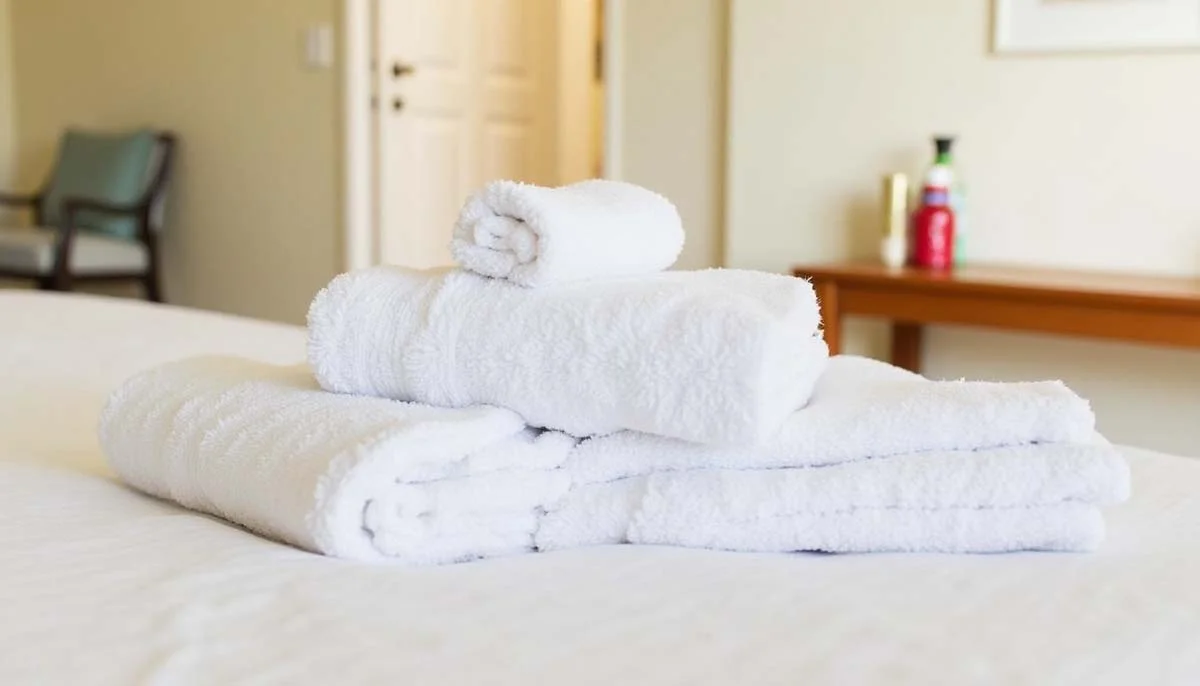
Document the expected turnover process clearly to avoid missed spots. When you outline the exact steps, include these items:
- Cleaning schedule
- Room-by-room expectations
- Linen and towel washing procedures
- Restocking limits
- Damage checks
You can reference a separate cleaning checklist here to keep the main text clean and actionable.
Maintenance coordination and property inspections
Regular reviews can help keep the property safe and functional. Define what to inspect, how often to do it, who handles it, and where the result is recorded.
Include routine checks for these items:
- Lighting fixtures
- Doors and locks
- Safety equipment
- Exterior areas
Avoid giving potentially unsafe repair instructions. Establish a clear property management process instead of trying to teach owners to perform specialized electrical or hazardous work themselves.
Inventory and supplies
Clear stock lists can help reduce sudden shortages. Document what needs to be available for normal operations.
Specify the standard quantity, storage location, and reorder point for these items:
- Linens and towels
- Toiletries
- Cleaning supplies
- Replacement items
Detailing these quantities makes your property management manual highly actionable.
Emergency procedures
Quick action helps keep minor issues from becoming major disasters. Outline response steps for unexpected events.
Plan for scenarios like these:
- Water leaks
- Power outages
- Severe weather
- Lockouts
Recognize the problem, prioritize safety, contact the appropriate person, and follow up.
Do not provide risky emergency repair instructions. Always prioritize appropriate emergency services and qualified professionals for serious hazards.
Recurring tasks and property calendar
A calendar view helps ensure fewer tasks get missed, especially when preparing for high-demand events for vacation rentals.
Track examples like these tasks:
- Seasonal preparation
- Filter replacements
- Safety equipment checks
A simple task framework can be recommended to track these jobs.
| Task | Frequency | Responsible Person | Last Completed | Next Due |
| Property inspection | Monthly | Assigned manager | (Date) | (Date) |
| HVAC check | Seasonal | Qualified provider | (Date) | (Date) |
| Supply inventory | Each turnover | Cleaning team | (Date) | (Date) |
How to Create a Property Management Operations Manual
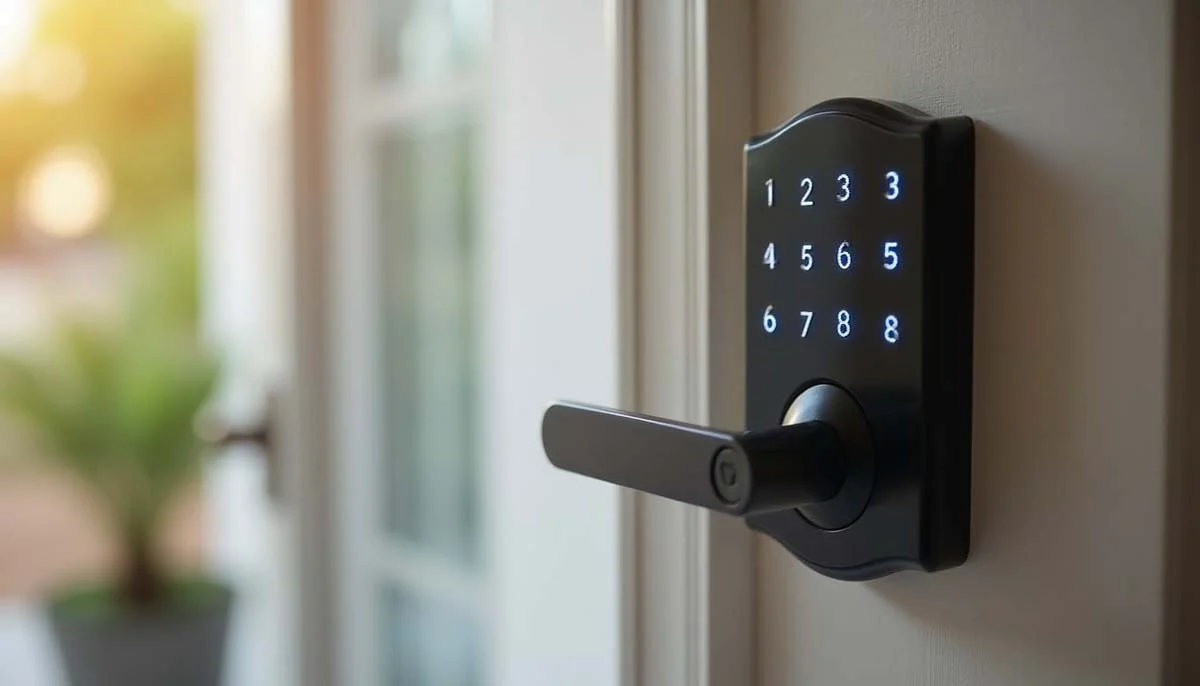
Move from what belongs in the document to how to actually build a property management operations manual. We recommend a simple process to get started.
Here are the steps to follow:
- Step 1: Start with the property. Document the unique systems, access points, and equipment.
- Step 2: List recurring workflows. Identify what happens repeatedly before arrival, during stays, after checkout, and between bookings.
- Step 3: Assign responsibilities. Identify who owns the task and who handles escalations.
- Step 4: Document the procedure. Write down the trigger, the steps, the responsible person, and the documentation method.
- Step 5: Centralize supporting information. Link to relevant vendor files and property documents rather than duplicating everything.
- Step 6: Test the manual. Have someone unfamiliar with the property follow the instructions to spot unclear steps.
- Step 7: Review and update it. Adjust your tasks based on vacation rental seasonality and changing property policies.
To see how this works in practice, look at how you can document a standard turnover workflow:
- Trigger: A guest checks out at 10:00 AM.
- Steps: The cleaning team arrives by 10:30 AM, conducts a quick walkthrough to check for damage, washes bed linens and towels, restocks bathroom supplies, and completes the cleaning checklist.
- Responsible Person: Primary cleaning lead.
- Escalation Path: If the team finds broken furniture or missing items, they take a photo and message the property manager within 30 minutes.
- Documentation: The cleaner uploads completed turnover photos to a shared folder and marks the unit clean by 3:00 PM.
Writing out your daily operations in this clear, step-by-step way takes the guesswork out of hosting and keeps your entire team on the same page.
Can an Operations Manual Replace a Property Manager?
An operations guide documents processes, but it does not perform them. Owners need to understand the difference between a plan and execution.
An owner may use a guide to organize self-management, coordinate vendors, or standardize responsibilities across a team. Professional management may still be useful when an owner wants someone else to coordinate recurring operations, guest communication, maintenance coordination, and other responsibilities. This is where professional support from Guestable can assist with day-to-day property logistics and hospitality coordination.
Operations Manual Checklist for Vacation Rental Owners
Use this checklist to ensure your documentation is complete and ready for use.
Check off these items as you build your guide:
- Are all shutoff valves photographed and labeled?
- Is the emergency contact list accessible to all team members?
- Are specific brand and model numbers recorded for all major appliances?
- Do you have established par levels for linens and cleaning supplies?
- Is there a clear escalation path for difficult guest interactions?
- Are seasonal tasks scheduled on a shared calendar?
How Professional Property Management Can Support Operations

A professional team can help coordinate the workflows documented in your system. This may take much of the daily pressure off your shoulders.
The guide documents the operating system, while management support helps execute that system. Potential areas for support include:
- Guest communication
- Turnover coordination
- Property oversight
- Vendor coordination
Some owners use virtual property management services to handle messaging. Others prefer full-service vacation rental management for daily tasks. Both options for property management services can help manage operational demands.
Build a Reliable Property Management Process
A useful property management operations manual should answer three basic questions. What needs to be done? Who is responsible for doing it? What should happen when something goes wrong?
The goal is not to document every possible scenario. It is to create a practical, property-specific reference that makes recurring responsibilities easier to understand, assign, and update. This approach builds a reliable short-term rental management framework.
For owners seeking day-to-day operational support, partnering with an experienced team can help bridge the gap between documentation and execution.