1. Rental Regulations Can Be Favourable for Secondary Residences
Some jurisdictions here offer opportunities for eligible secondary homes to operate as licensed vacation rentals. However, rules vary widely depending on the exact city or neighborhood.
Why rental regulations matter to property owners
Local rules can dictate whether you can offer short stays or if you need to look at other rental strategies. Before you make any plans, you must understand what is legally allowed.
Here is what you need to review before moving forward:
- Licensing and registration requirements for the specific property.
- Zoning laws and permitted property uses.
- Minimum-stay rules set by the city.
- Rules enforced by your condominium or homeowners association.
- The specific permit costs, inspection requirements, and local occupancy caps before spending money.
The appeal of renting out a second home
Owners often want to earn income when they are not using their homes.
For example, if you spend winters in the region and summers up north, you might want to host guests while you are away. Keep in mind, simply owning a second home does not automatically give you the right to run it as a short-term rental.
Why local requirements must be verified
Municipal rules differ sharply between Miami-Dade, Broward, and Palm Beach counties, and even between neighboring towns.
Before you list a vacation rental in South Florida, you must check the current rules for your specific city and property using official government websites. Do not assume a license is available just because a property is in a popular tourist area.
2. South Florida Has Multiple Sources of Accommodation Demand
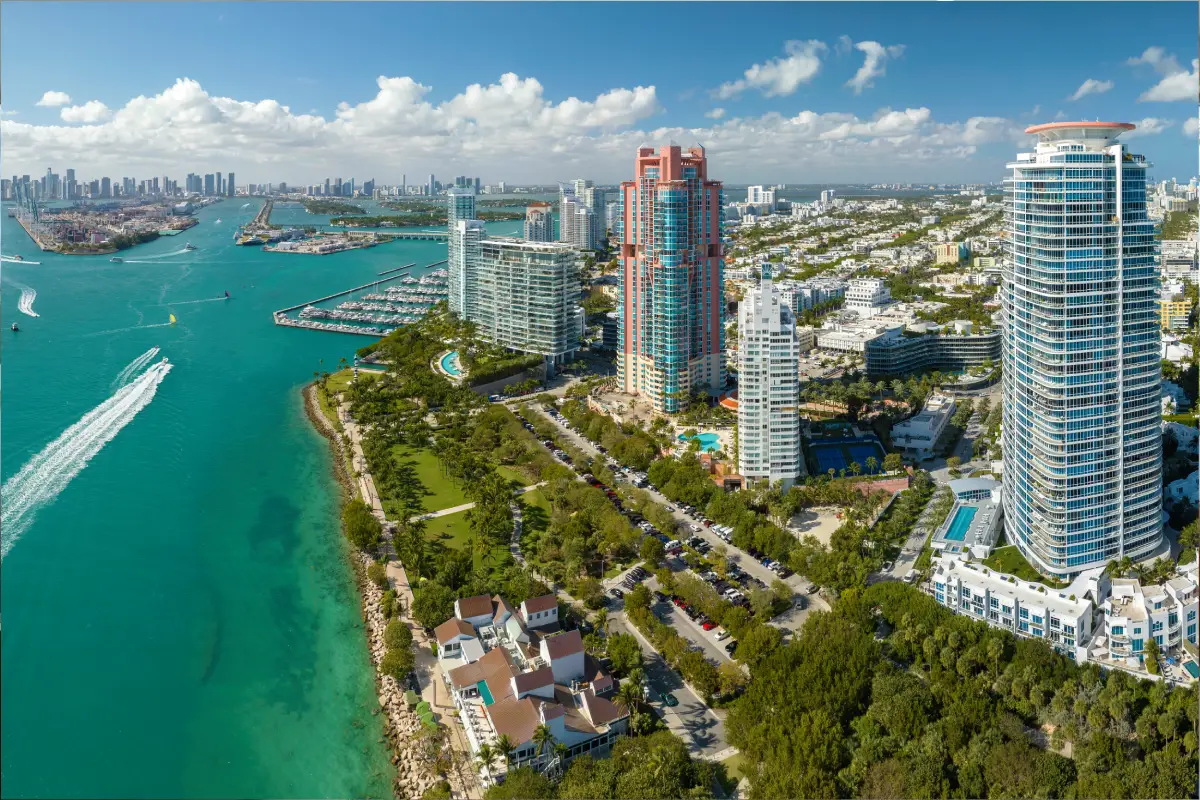
The area blends sunny beaches with active urban centers. This mix creates chances to host different types of visitors, not just traditional tourists.
Seasonal leisure travel
Winter events and mild weather drive peak nightly rates, making it the traditional high season. Conversely, late summer and fall bring higher humidity, hurricane risk, and softer booking volumes.
This seasonal shift can affect booking patterns and your overall strategy. Owners may want to plan for slower periods during the autumn months and budget accordingly.
Demand beyond traditional vacations
People travel to the region for many reasons outside of typical beach trips.
Here are a few potential sources of accommodation demand:
- Visiting family and friends in the area.
- Business trips and corporate events.
- Temporary relocation for work or housing changes.
- Seasonal stays to escape colder climates.
- Pre- and post-cruise departures from regional cruise ports like PortMiami or Port Everglades.
These groups present valuable opportunities, which may help you diversify your guest mix and could reduce your reliance on traditional weekend beachgoers.
Why property setup matters across seasons
Your location, furnishings, amenities, and pricing can influence how appealing your home might be throughout the year.
Targeting the right audience and adjusting your pricing strategy can help you respond to off-peak slowdowns, though it will not magically erase seasonal vacancies. When comparing different areas, reading about the best cities in Florida can provide context on how demand shifts between coastal and inland towns.
3. Mid-Term Rentals Offer Another Potential Strategy
Furnished stays lasting between 30 and 120 days appeal to people needing longer accommodation. This approach also gives owners a break from frequent guest turnovers.
How lifestyle and work arrangements influence rental needs
Many people now prefer to split their time between two different cities.
Retirees have done this for decades. Now, remote work gives younger professionals the freedom to stay for extended periods, too. This brings in remote workers, professionals on temporary assignments, and families moving to the area.
Short-term rental vs. mid-term rental
There are clear differences between hosting weekend guests and month-long visitors.
Consider these practical differences between the two strategies:
- Booking durations are longer.
- Guests need practical amenities like home offices.
- Turnover frequency can drop significantly.
- You have fewer chances to adjust daily pricing.
- Your own access to the property may be restricted for longer periods.
- Operating rules and local laws may differ.
Longer bookings mean fewer cleaning days, but this change in turnover frequency does not guarantee lower overall expenses or eliminate the need for property oversight.
Can mid-term stays help during the low season?
Owners often look at longer furnished stays when demand for short trips drops.
If you are evaluating a short term rental investment in South Florida, looking into longer stays might make sense for the fall months. It depends on your location, local rules, and personal preferences. If you need help coordinating these longer bookings, looking into mid-term rental management can provide operational support. A mid-term model provides an alternative booking approach, but it does not automatically fill an empty calendar or guarantee consistent income during seasonal dips.
4. Corporate Travel May Create Additional Accommodation Opportunities

Growing business activity brings more professionals to the region. This can create demand for furnished homes designed for work-related trips.
South Florida’s evolving business landscape
Financial firms and tech companies continue opening offices in urban hubs like Brickell, downtown Miami, and West Palm Beach.
The area also has startup activity and international business connections, including relationships with companies from South America. This corporate growth brings in visitors who need temporary housing while working on projects or relocating their families.
Why business travellers may need furnished accommodation
Corporate guests have very different needs compared to vacationers.
These guests often require housing for specific reasons:
- Temporary work assignments lasting a few weeks.
- Relocation and project work.
- Business visits require more than a hotel room.
- Longer stays where a furnished living space is practical.
Fast internet, a quiet workspace, comfortable furniture, and easy access to business districts can matter significantly to these professionals.
Corporate housing and rental strategy
Depending on local rules, you can fold corporate guests into your short-term or mid-term plans.
Positioning your property for business travellers is a smart option if your home is near commercial hubs. Corporate clients generally value everyday functionality, often prioritizing reliable connectivity and dedicated work areas alongside standard living accommodations. If your property is set up properly, a vacation rental in South Florida can also serve these corporate guests well.
Supplying South Florida corporate housing requires dedicated desk setups and high-speed Wi-Fi, which may make the property more functional for business visitors during periods between leisure vacation peaks.
5. Property Differentiation Matters in a Market With Many Rentals
Because there are many furnished homes available, you must clearly understand who you want to host. Positioning your property to match those guests is vital.
Furnishings and layout should match the intended guest
Outdated furniture or awkward room layouts can turn away potential guests.
A home set up for a family vacation may require different items than a home meant for a travelling executive. Tailoring your space to the specific people you want to attract can help strengthen its appeal.
Practical amenities can support the guest experience
Guest reviews and repeat bookings can often be influenced by the day-to-day utility of the space.
Consider providing these practical features:
- Functional workspaces.
- Reliable internet connectivity.
- Comfortable furnishings.
- Suitable sleeping arrangements.
- Practical storage and living areas.
- Keyless self check-in hardware for flexible arrival times.
You do not need to add every luxury item, but your amenities should make sense for the guests you are targeting.
Assess the competition before making improvements
Look closely at similar listings before you spend money on upgrades.
Compare their features, rates, photos, and guest reviews. Even in the best vacation rental markets in Florida, a high number of rentals does not mean competition is low. Making smart upgrades may help your property appeal to your intended audience, but it does not guarantee a higher income or better performance than comparable neighborhood properties.
What Should Owners Evaluate Before Choosing South Florida?
Applying these market characteristics to your own situation is the next step. You need a clear picture of what it takes to run a property here.
Here is what you should evaluate before making a decision:
- Property eligibility: Confirm the applicable rental rules, licensing requirements, zoning, and association restrictions.
- Location: Understand the area’s likely visitor segments and the amenities or attractions relevant to those guests.
- Seasonality: Review available evidence about demand throughout the year.
- Rental duration: Consider whether short-term or mid-term stays better suit the property’s permitted use and the owner’s preferences.
- Property setup: Assess furnishings, amenities, layout, and presentation against comparable properties.
- Operating costs: Account for relevant management, cleaning, maintenance coordination, utilities, and ownership expenses.
- Competition: Evaluate comparable listings and avoid assuming that high supply means low competition.
- Owner objectives: Determine whether the main priority is personal use, rental income, flexibility, or a combination of these factors.
These points offer a solid framework to assess your property, helping you build realistic expense estimates and occupancy projections.
Is a Vacation Rental in South Florida the World’s Best Market?

There is no single perfect market that works for every single property owner. South Florida is compelling because it mixes coastal charm, urban activity, and different types of visitors.
Whether your home succeeds depends entirely on its location, your operating costs, the competition, and your personal goals. Operating a vacation rental in South Florida requires careful planning and realistic expectations. Making a solid Florida vacation rental investment takes time to evaluate properly. Realistic expense estimates, strict regulatory checks, and clear occupancy projections matter far more than general marketing hype.
If you have an eligible property and need operational support, reaching out to Guestable for property management services and short-term rental management can provide day-to-day hosting assistance. Professional operational support can assist with guest inquiries and turnover scheduling, though it does not eliminate the owner’s need to monitor local market conditions.