Ever wonder how to prove the exact state of your home before a visitor arrives? Finding a broken chair or a stained rug after a guest checks out is frustrating for any host. It is very hard to evaluate these issues if you do not have a reliable record of how the home looked before the stay. Good documentation compares the property’s condition before and after a guest stay.
Creating a clear process for rental property damage documentation can give you objective evidence. It can help you see what changed over a few days. Keep in mind that documentation provides evidence of the property’s condition, but it does not automatically prove who caused the damage or guarantee reimbursement.
What Is Considered Rental Property Damage?
You must understand what is considered damage to rental property before you start taking photos. Property damage means a physical change that requires repair or replacement beyond basic cleaning.
Here are common examples of issues you might find:
- Broken furniture
- Damaged appliances
- Cracked or damaged fixtures
- Stained or damaged surfaces
- Broken doors or hardware
- Damaged walls
- Missing or damaged property items
You must separate normal wear and tear from actual damage. This is important because not every change in condition should automatically be classified as guest-caused damage.
Why Document Vacation Rental Property Damage?
Thorough property damage documentation creates a timeline of your home’s condition. Consistent records can help demonstrate when an issue might have occurred.
Consistent documentation can help owners:
- Track property condition
- Identify changes between stays
- Communicate with cleaners or maintenance coordination providers
- Organize repair records
- Maintain an accurate property history
- Support conversations about potential damage claims
Having this timeline readily available keeps conversations with platforms or contractors focused on the facts. It provides an objective record for any next steps you need to take.
What to Document Before Every Guest Stay
You need to establish a baseline condition before a new guest arrives. A thorough guest screening process helps set clear expectations with visitors, but you still need photos to show how the home looked before they checked in.
Property condition
Walk through each room to inspect its baseline structural condition. Look closely at:
- Walls and ceilings
- Floors and carpets
- Doors and windows
- Furniture
- Appliances
- Fixtures
- Outdoor areas
High-value or frequently damaged items
Pay special attention to expensive items or things that break easily. Owners should focus on:
- TVs and electronics
- Furniture
- Kitchen appliances
- Dining furniture
- Decorative items
- Outdoor furniture
- Property amenities
Existing damage
Always record issues that are already there. Make sure to note:
- Scratches
- Stains
- Dents
- Chips
- Wear
- Cosmetic imperfections
Noting these can prevent old issues from being confused with new damage.
How to Photograph Rental Property Damage
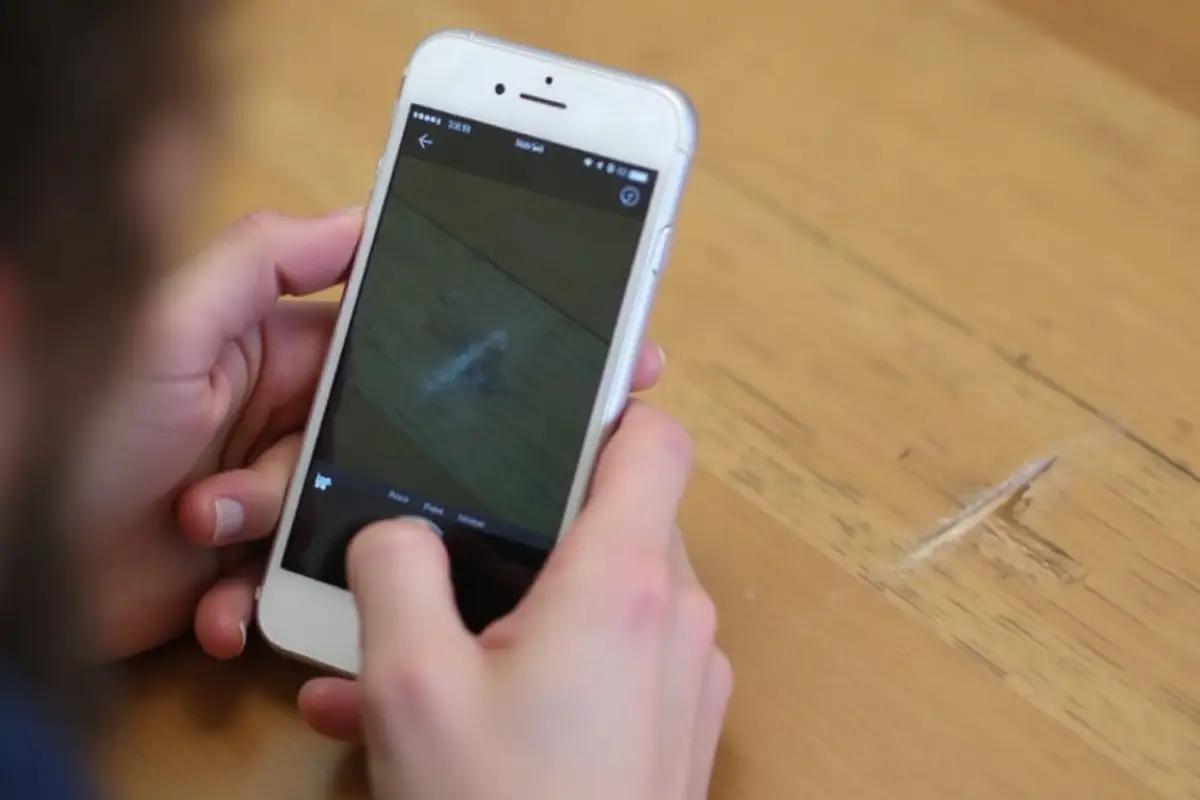
Clear visual evidence can be a valuable tool in short-term rental management. Follow these steps to capture clear images when you spot rental property damage.
Take an overview photo
Start with a wide shot of the room. This shows where the damage is located within the room or property.
Take a closer photo
Move in to capture the details. This shows the actual damage clearly.
Include context
Step back just a bit. Photograph surrounding features so the location is easily identifiable.
Use consistent angles
Try to stand in the same spot each time. Where practical, photograph the same areas before and after stays.
Avoid obscuring the damage
Keep shadows and reflections away. Make sure lighting and framing allow the condition to be clearly seen. Note that photographs are just records, and they may not automatically be legally admissible or sufficient for a particular dispute.
What to Record in a Rental Property Damage Report
A structured rental property condition report standardizes your inspection process. Log these specific details to build a reliable timeline of events.
| Information to Record | What to Include |
| Date and time | When the inspection occurred |
| Property/room | Exact location of the issue |
| Item affected | Furniture, fixture, appliance, etc. |
| Condition before stay | Existing condition or baseline record |
| Condition after stay | What changed |
| Description | Objective description of the damage |
| Photos | Relevant supporting images |
| Action taken | Cleaning, repair, replacement, inspection, etc. |
Keep descriptions objective and factual. For example, write “Two-inch crack visible on the bathroom vanity surface,” rather than “Guest destroyed the vanity.”
How to Document Damage After a Guest Checks Out
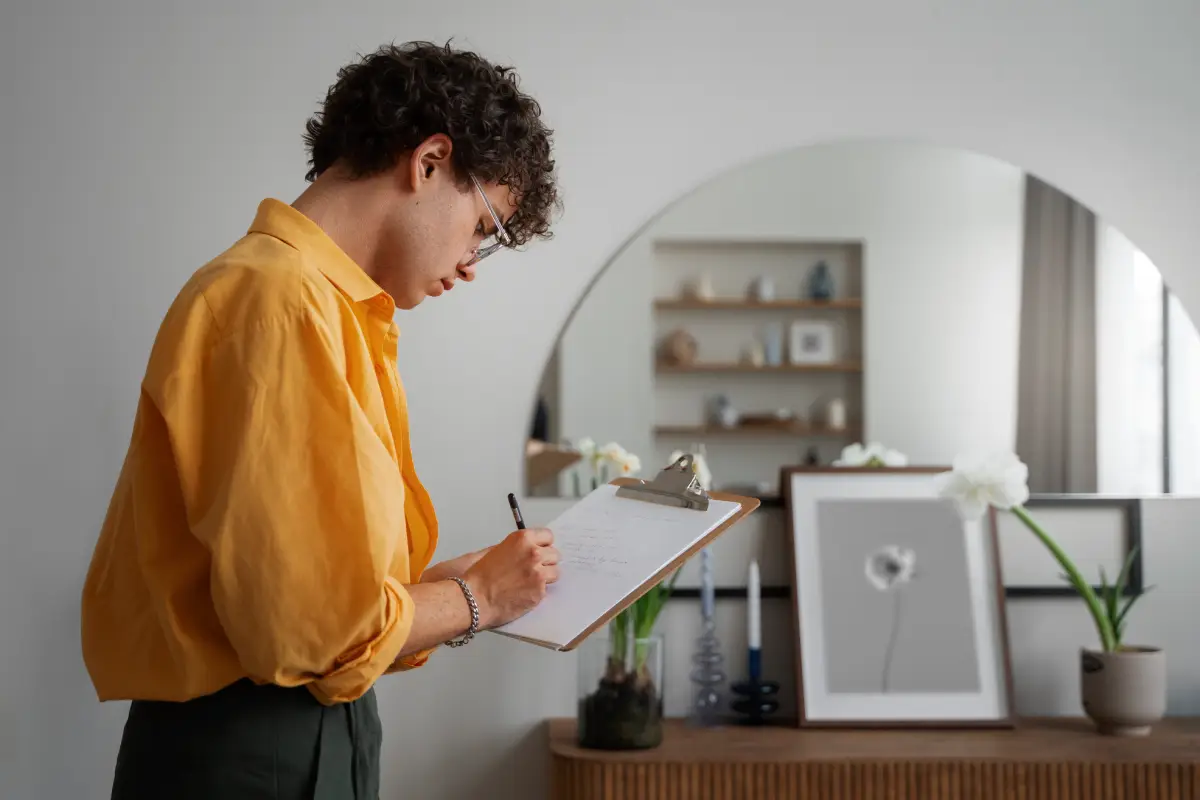
You need a practical workflow to handle your post-stay inspections efficiently. Follow these straightforward steps:
- Complete the post-stay inspection.
- Compare the property against the previous condition record.
- Photograph any changes.
- Record the date and location.
- Describe the damage objectively.
- Identify whether immediate cleaning or repair is required.
- Keep invoices, estimates, or maintenance coordination records where applicable.
- Store the documentation with the property’s inspection history.
How to Tell the Difference Between Damage and Normal Wear and Tear
You must separate sudden incidents from expected daily wear. Owners should consider a few key factors:
- Age of the item
- Existing condition
- Normal use
- Severity of the issue
- Whether the condition was documented previously
- Whether the item requires repair or replacement
There is no universal standard for wear and tear because the applicable standard can depend on the situation and jurisdiction.
What to Do After Documenting Property Damage
After finishing your rental property damage notes, you must secure the home and organize your repair evidence. Follow these operational steps.
Assess the issue
Evaluate the severity of the incident. Determine whether it requires cleaning, repair, replacement, or further inspection.
Secure the property if necessary
Safety always comes first. If the damage creates a safety or security concern, address that before the next stay.
Keep repair documentation
Save all of your estimates, invoices, and maintenance coordination records in one safe place so you can easily reference them later. Keeping a detailed record of repair receipts and home inventory helps substantiate the historical condition and value of your assets.
Review relevant policies or coverage
Check your agreements. Owners should review applicable booking-platform policies, agreements, and short-term rental insurance coverage where relevant. Understanding the standard property damage claims process can help you know what supporting paperwork adjusters typically look for.
How to Organize Vacation Rental Damage Documentation
A central storage system helps ensure your evidence is readily available if a dispute arises. While the best short-term rental platform holds your reservation details, you still need your own system to organize physical proof. Create a dedicated routine for storing:
- Before-stay photos
- After-stay photos
- Inspection reports
- Maintenance coordination records
- Repair invoices
- Replacement receipts
- Relevant communication
The emphasis should be on consistency and easy retrieval, not a specific software platform.
Vacation Rental Property Damage Documentation Checklist
Use this property condition checklist to keep your vacation rental property inspection process on track.
Before the stay
Complete these steps before guests arrive:
- Photograph important property areas
- Record existing damage
- Note condition of high-value items
- Store baseline documentation
After checkout
Do this when guests leave:
- Inspect the property
- Compare against previous records
- Photograph new damage
- Record date and location
- Describe the condition objectively
- Save supporting documentation
After documentation
Wrap up with these tasks:
- Determine whether cleaning, repair, or replacement is needed
- Keep estimates and invoices
- Update the property’s condition history
- Review applicable policies or coverage
How Property Management Can Help With Damage Documentation

Documenting rental property damage requires strict attention to detail between every turnover. Professional property management services can help coordinate and organize this inspection process for you.
A team offering virtual property management services or full management may help with:
- Routine property inspections
- Post-stay condition checks
- Maintenance coordination
- Cleaning coordination
- Photo documentation
- Repair follow-up
- Keeping operational records organized
Guestable helps organize turnover workflows alongside supporting your broader operational needs, such as a short-term rental pricing strategy. Keep in mind that professional management does not automatically prevent damage or guarantee successful claims, but it can make the record-keeping process much smoother.