Preparing your vacation rental for winter means protecting the property itself, while making it comfortable for your guests. Winter weather can damage your plumbing, heating, roof, and exterior, and irregular bookings make problems harder to catch early.
This Guestable winter home maintenance checklist walks you through the key areas to review, from heating and plumbing to drainage and safety equipment, so you know where to focus before the cold arrives. Winter readiness depends on your location, climate, and property, so adapt this guide to fit your rental and bring in a professional for any technical work.
If you’ve already worked through your fall inspection, think of this as the next step. Fall maintenance is about finding and fixing issues. Winter readiness is about protecting what you’ve got once cold weather sets in. For the guest-facing side of seasonal prep, see our vacation rental cleaning checklist.
Start With a Winter Property Inspection
Before focusing on individual systems, walk the whole property with one question in mind: what could get worse once winter conditions arrive?
Look at:
- Exterior condition, including siding, trim, and visible cracks or openings
- Roof and drainage, as far as you can see from the ground
- Windows and doors, including seals and frames
- Signs of moisture or water intrusion, such as staining, soft spots, or musty odors
- Heating systems and plumbing, including anything that looks worn or leaky
- Safety equipment
- Outdoor areas and spots vulnerable to wind, ice, or falling branches
You’re not fixing anything yet. You’re building a list. A small leak or gap is easier to address before snow and ice make access harder.
This walkthrough is the first step in winterization, which means preparing a property and its systems, especially plumbing, to handle cold weather. What that involves varies by property, so let your inspection show you what yours needs.
Prepare the Heating and HVAC System
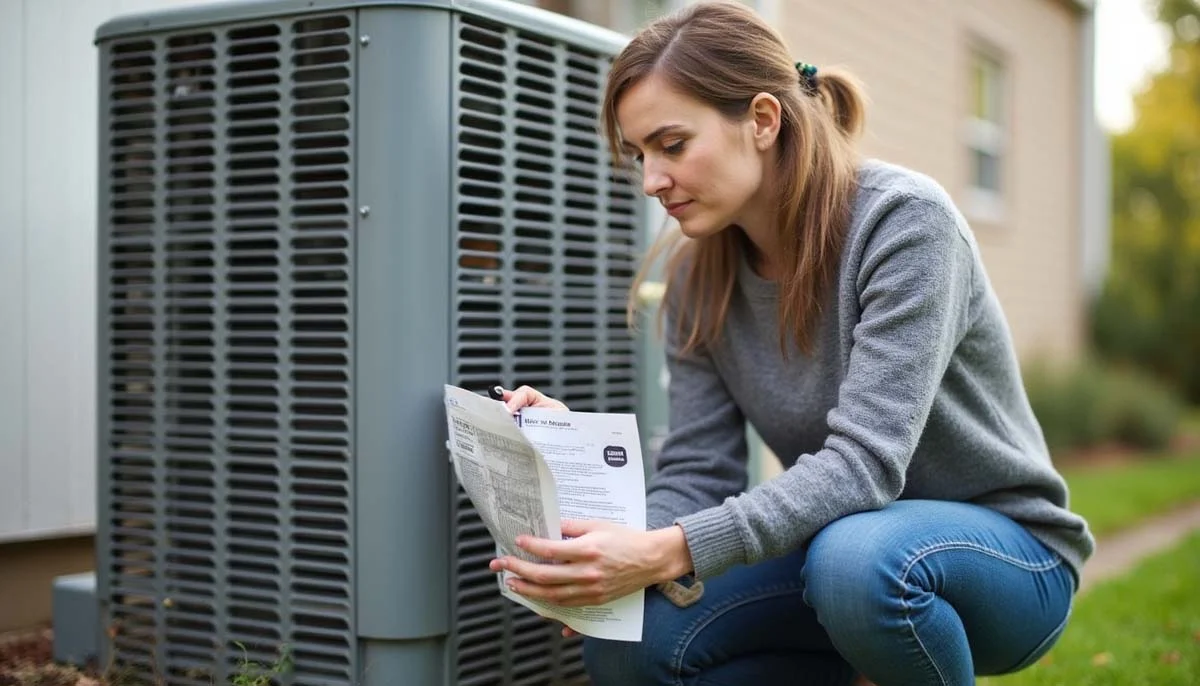
Heating readiness is central to winter maintenance. A system that struggles in the first cold snap can lead to uncomfortable guests, and in some climates, to cold-related damage inside the property.
Schedule a professional heating check-up before winter, since contractors get booked up once the cold arrives. Then work through these winter home maintenance tips:
- Test the heating system before you rely on it regularly, rather than discovering a problem on a cold night.
- Check the thermostat to confirm it responds and holds a setting.
- Review filters and replace them according to the manufacturer’s guidance. A dirty filter can raise energy costs and shorten equipment life.
- Keep vents and registers unobstructed, including those blocked by furniture or stored items.
- Note unusual noises, odors, or uneven heating, and call a professional instead of troubleshooting them yourself.
- Confirm the system suits your property’s expected winter conditions, especially if you’ve added square footage or changed the layout.
You don’t need to repair your HVAC system yourself. The goal is to decide whether it’s ready, and to get a licensed technician involved if it isn’t.
Protect Plumbing From Freezing Conditions
Winterizing plumbing looks different for every property, depending on climate, construction, plumbing setup, and whether the home will be occupied or vacant. These steps are a good starting point:
- Inspect visible pipes for leaks, corrosion, or damage, and address existing problems before freezing conditions arrive.
- Identify vulnerable plumbing, such as pipes in exterior walls, crawl spaces, garages, or unheated areas.
- Check exterior faucets and water connections.
- Know where your main water shutoff is, and make sure your property manager or maintenance contact does too.
- Consider professional winterization if the property will be vacant or your plumbing setup is complex.
Whether to shut off water or drain the lines depends on your property. A heated, occupied rental in a mild climate has very different needs from a vacant cabin facing prolonged freezing temperatures, so it helps to confirm the right approach before you decide.
Follow guidance from a licensed plumber, your equipment manufacturers, and your insurance provider. For pipes in unheated or exposed areas, insulating both hot and cold lines is a common first step to reduce the risk of freezing.
Protect the Property From Snow, Ice, and Water
Winter property maintenance should include your drainage and exterior, since cold weather puts extra strain on both. A clogged gutter, a worn section of roofing, or poor drainage is much easier to fix before snow and ice arrive than in the middle of a storm.
Check, from the ground where possible:
- Gutters and downspouts for blockages, sagging, or disconnected sections
- Roof condition, including missing or damaged materials you can see
- Drainage around the foundation and areas where water may pool
- Exterior seals around windows, doors, and penetrations
- Vulnerable exterior materials that may crack or deteriorate in repeated freezing and thawing
Roof and ladder work can be hazardous. If something looks wrong, hire a qualified professional rather than going up there yourself.
Check Windows, Doors, and Insulation
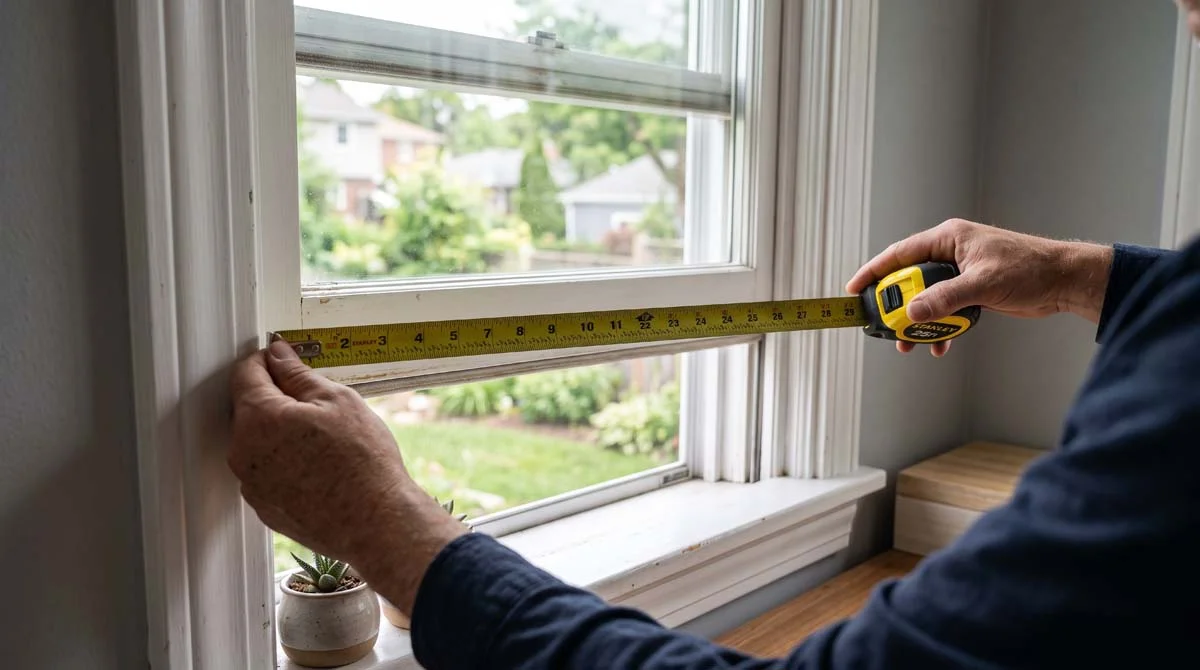
Small gaps let cold air in and conditioned air out. They can also point to maintenance issues worth fixing before winter. Official guidance recommends sealing gaps with caulking and weather stripping around windows and doors.
Look at:
- Door seals and weather stripping
- Window frames and visible gaps
- Drafts you can feel on a cold day
- Damaged screens or other components
- Rooms that stay noticeably colder than others, which can signal heat loss
Addressing visible gaps is a practical, low-cost step that helps your property hold in heat and supports your heating system through the colder months.
Prepare Outdoor Areas and Seasonal Equipment
Vacation rentals vary widely, so use what applies to yours. The goal is protecting equipment from cold, moisture, and wear, not adding winter amenities.
Where applicable, review:
- Outdoor furniture that should be stored, covered, or secured (see our guide on how to furnish a short-term rental for durable outdoor choices)
- Patio and garden equipment
- Exterior lighting, so fixtures work and aren’t damaged
- Outdoor water connections, including hoses and spigots
- Pools and hot tubs, which often need specific winterization steps from the manufacturer or a qualified service provider
- Seasonal recreational equipment, such as kayaks, bikes, or grills
Check your manufacturer’s instructions for anything with a motor, water line, or heating element.
Review Winter Safety Equipment
Cold weather increases reliance on heating equipment, which makes safety checks especially important. Official guidance advises making sure smoke alarms and carbon monoxide detectors work and have backup batteries.
Review:
- Smoke alarms
- Carbon monoxide alarms, where applicable
- Fire extinguishers
- Emergency lighting, where applicable
- Any safety considerations tied to your heating equipment
- Emergency contact information
- Access to utility shutoffs
- Basic emergency supplies, where appropriate
Safety and alarm requirements differ by location and property type. Confirm what applies to your rental with your local authority and your insurance provider.
Winter Home Maintenance Checklist
Use this checklist as a summary of the previous steps.
Property inspection
- Complete a winter property walkthrough
- Check for visible water intrusion
- Inspect windows and doors
- Review vulnerable exterior areas
- Identify outstanding repairs
HVAC and heating
- Test the heating system
- Check thermostat operation
- Review HVAC filters
- Check vents and registers
- Schedule professional servicing if needed
Plumbing
- Check visible pipes for leaks
- Review vulnerable plumbing areas
- Check exterior water connections
- Plan appropriate winterization
- Identify the main water shutoff
Exterior protection
- Inspect gutters and downspouts
- Check visible roof condition
- Review drainage
- Check windows and exterior doors
- Address visible gaps or damage
Outdoor areas
- Store or protect seasonal equipment
- Prepare outdoor furniture
- Review outdoor water connections
- Prepare pools and hot tubs where applicable
- Check exterior lighting
Safety
- Check smoke alarms
- Check carbon monoxide alarms where applicable
- Review fire extinguishers
- Confirm emergency contacts
- Review access to utility shutoffs
If the property will be vacant
- Establish an inspection plan
- Confirm heating strategy
- Plan appropriate plumbing protection
- Arrange emergency maintenance contacts
- Establish a severe-weather response plan
If you’d rather not handle every item yourself, property management services can help coordinate inspections, repairs, and vendor visits.
When Should You Start Winterizing a Vacation Rental?
Begin before your area’s typical freezing or severe winter conditions arrive, and let these factors set your timing:
- Local climate and property location
- Expected occupancy
- Property construction
- Plumbing configuration
- Heating system
- Whether the property will be vacant
An owner in a region with prolonged freezing temperatures will have a different timeline and checklist than one in a milder climate. Starting early also gives you time to book HVAC, plumbing, or roofing professionals before demand spikes.
If winter means fewer bookings at your property, it’s also a good time to review your short-term rental pricing strategy alongside your maintenance plan.
How Vacation Rental Management Can Help With Winter Readiness
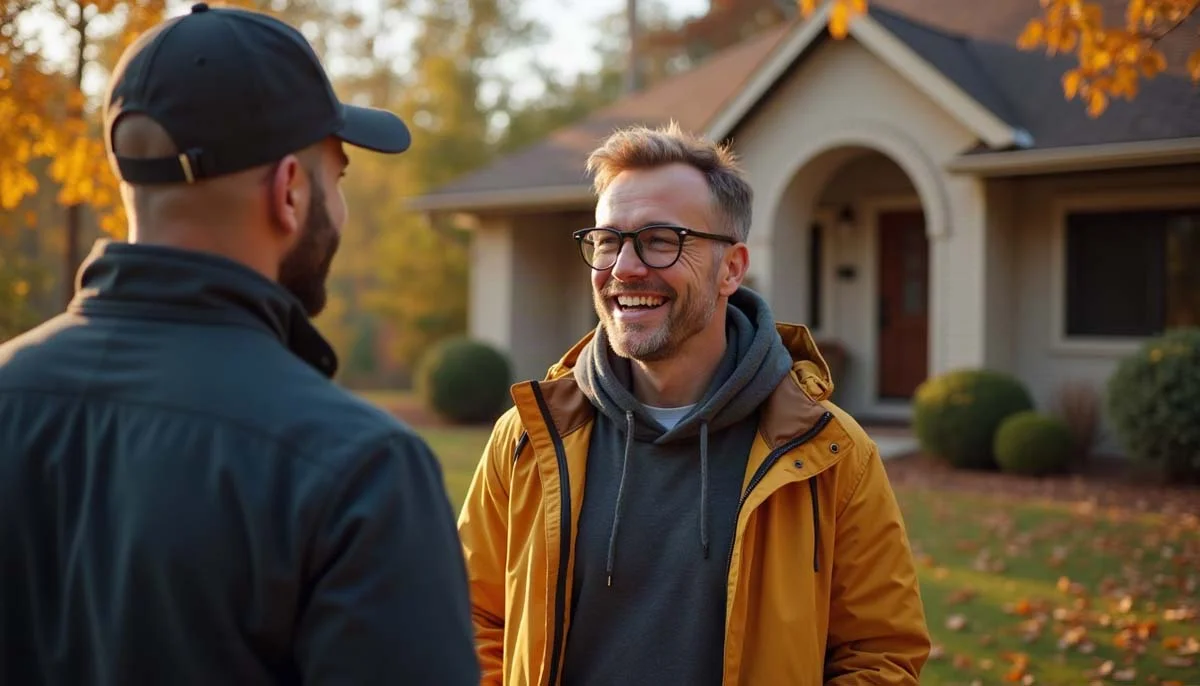
Winter readiness involves a lot of coordination, and having support can make it easier to manage, especially if you live far from the property. Working with a vacation rental manager can help you coordinate property inspections, maintenance requests, cleaning, repairs, guest communication, vendor appointments, property access, and seasonal operational tasks.
Our virtual property management services can also help support owners who are away from their property. With a clear plan and local coordination, you can spot winter issues sooner and respond to them faster when they come up.