Crises happen when you least expect them, even when you maintain your property perfectly. Sudden power outages, water leaks, severe weather, and lockouts can disrupt a guest stay. You might also face heating or cooling failures, property damage, fire and smoke incidents, or unexpected maintenance coordination problems.
An emergency preparedness plan gives you a predefined process to respond quickly, rather than forcing you to figure everything out in a stressful situation.
What Should an Emergency Preparedness Plan Include?
You need a clear framework before you fill in the specific details. A solid plan organizes your operations into a few core categories so nothing gets missed.
Instead of a scattered list of ideas, build your strategy around three main pillars. First, focus on people by gathering critical contact information and defining communication rules. Second, focus on the property by mapping out utility shutoffs and stocking safety kits. Finally, focus on procedures by writing down exact response steps for different hazards. This structure sets the foundation for a highly organized safety manual.
Create an Emergency Contact List
You should keep all important contacts in one accessible location. This can help reduce panic when you need to reach a professional immediately. Good short-term rental management relies on having the right people on speed dial.
When visitors call local emergency dispatch, they may not always know their exact location. You must include your full civic property address at the very top of this contact sheet so guests can give dispatchers an accurate address immediately.
Include these exact numbers on your list:
- Emergency services: List the primary regional dispatch number (such as 911, 112, or 999) for immediate police, fire, and ambulance response.
- Poison control: Include the direct phone number for your regional poison information center for immediate medical guidance.
- Property manager: Provide the main phone number for your operating team.
- Maintenance coordination provider: List someone who handles general property issues.
- Specialized trades: Add a reliable plumber, an HVAC professional, and a safe electrician.
- Locksmith: Keep a key expert available for sudden lockouts.
- Utility providers: Include your local power and water companies.
Document Important Property Information
Writing down specific property details makes your plan highly actionable. You need to know where important systems are located so the appropriate person can respond more efficiently. A smooth property management process requires easy access to these details.
Recommend documenting the following property details:
- Utility shutoff locations: Point out where to stop the main gas valve and water line.
- Electrical panel location: Note exactly where the breaker box sits, like the garage or hallway.
- HVAC information: Note the system type and filter location.
- Appliance information: Keep digital manuals and serial numbers on file.
- Lock system information: Write down master keypad codes and physical backup key locations.
Prepare Emergency Supplies
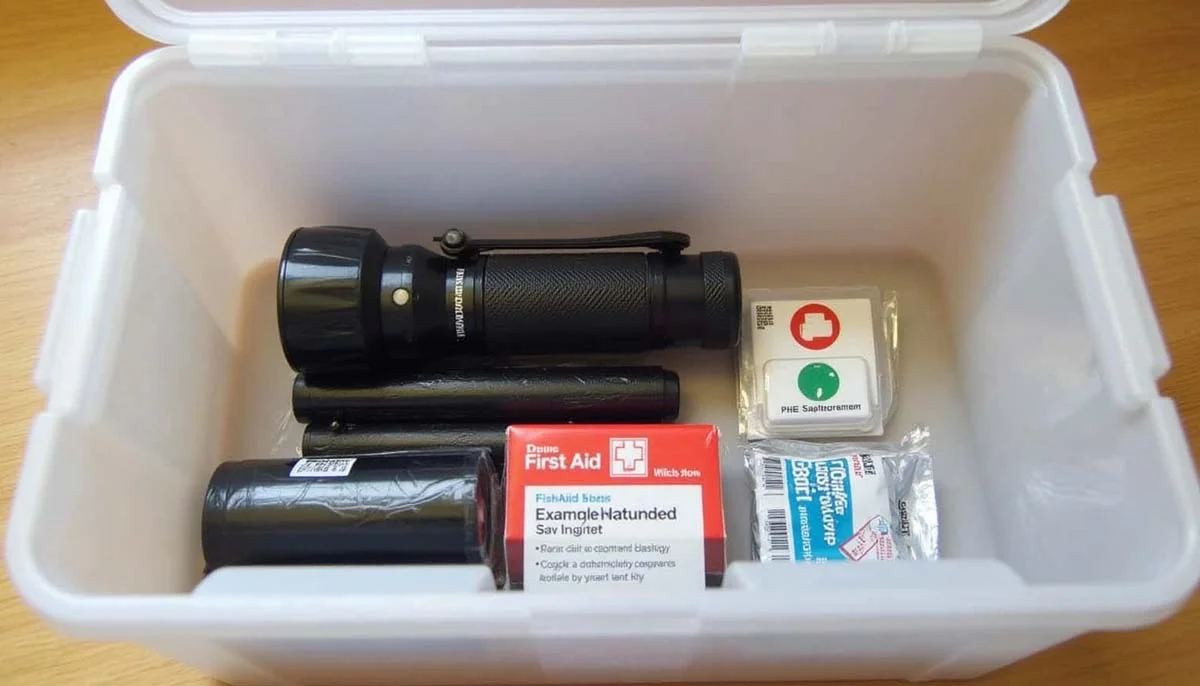
You need to organize items by purpose rather than creating an enormous pile. Proper emergency preparedness supplies help guests stay safe during a temporary disruption. When reviewing your vacation rental cleaning checklist, ask your cleaners to verify that these items are fully stocked.
Stock basic emergency preparedness items
Basic tools can help people navigate the home and stay informed during an incident. Store these items in a clear, labeled bin.
- Light sources: Provide high-lumen flashlights and extra batteries.
- First-aid supplies: Supply bandages, antiseptic wipes, and standard medical items.
- Information tools: Include a battery-powered emergency weather radio or localized broadcast receiver for severe storm alerts.
Organize property protection materials
Certain tools help you protect the physical home from further damage. Choose supplies relevant to your climate.
- Cleanup materials: Keep thick towels, buckets, and a mop ready for plumbing leaks.
- Risk-specific supplies: Stock items for local weather threats, like ice melt for winter climates.
Provide guest-facing supplies
Think about what guests might need during a short disruption.
- Comfort items: Provide extra heavy blankets if the heating fails.
- Safe lighting: Offer battery-operated lanterns instead of candles to prevent fire hazards.
Establish a Communication Plan
Your internal safety plan should specify who communicates with whom and when. Clear communication can prevent multiple team members from giving conflicting instructions. If you use virtual property management services, map out exactly how they handle urgent calls.
Define these specific operational roles:
- Initial reports: Determine who receives the first call when something breaks.
- Vendor outreach: Figure out who is responsible for contacting and coordinating with trade professionals like plumbers or electricians.
- Insurance claims: Note who is responsible for documenting damage and collecting incident details so the policyholder can contact their coverage provider.
Create Response Procedures for Common Vacation Rental Emergencies
Different problems require different actions. You need practical steps for the most common issues you might face. Since weather events vary widely across STR and MTR markets, tailor your response to your specific location.
| Emergency | Immediate Priority | Next Step |
| Water leak | Ensure guest safety from slips or electrical hazards, and shut off the water valve if accessible | Contact appropriate maintenance coordination professional and document the incident |
| Power outage | Check guest safety and determine whether outage is property-specific or area-wide | Contact utility provider as appropriate and communicate updates |
| Lockout | Confirm guest identity and access situation | Follow the property’s approved access and locksmith procedure |
| Severe weather | Prioritize guest safety and official guidance | Communicate updates and arrange property inspection when appropriate |
| Heating or cooling failure | Assess guest safety and indoor conditions | Contact qualified service provider |
| Fire or smoke incident | Follow emergency procedures and evacuate as required | Contact emergency services and follow applicable reporting procedures |
| Major property damage | Keep people away from unsafe areas | Contact appropriate emergency repair and insurance contacts |
Create a Guest Emergency Communication Procedure

Your emergency instructions should be clear and easy to find, rather than buried in a long house manual. You must determine how guests interact with you during a crisis.
Display a laminated instruction card prominently in the kitchen or entryway. This card must tell guests exactly how to report an issue. Clearly display your country’s emergency phone number, and instruct guests to contact local emergency services first for immediate life-safety hazards before reaching out to you. You must also explain how you will send updates, like via text message or platform messenger, if the power goes out.
Finally, outline your policy for arranging alternative lodging if the property becomes unsafe to occupy.
Plan for Emergencies When the Owner Is Away
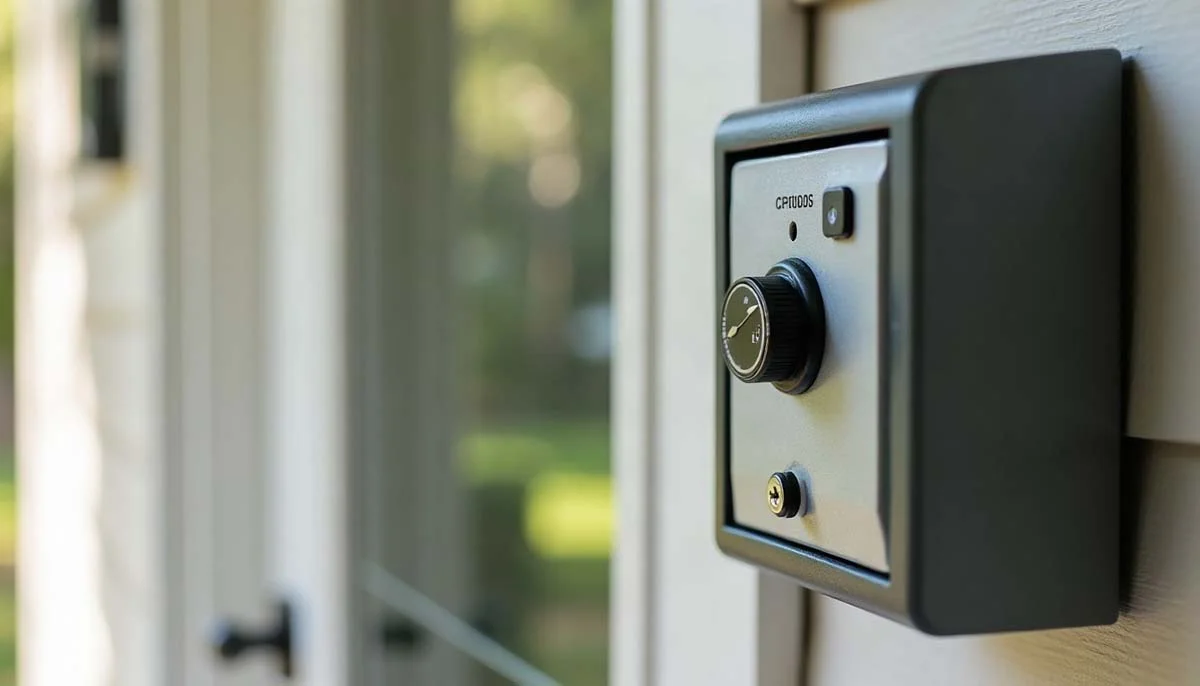
Many owners live far from their rental properties. You must establish a local support system to handle urgent issues when you are not physically there.
Build a reliable local network to serve as your eyes and ears. You can ask a trusted neighbor to act as a local point of contact who can check the exterior of the house after a storm. Set up an exterior lockbox with a physical key so vendors can get inside if the smart lock loses battery power. You also need a clear process for approving urgent work remotely, allowing trusted vendors to take agreed-upon steps without unnecessary delays.
Keep Emergency Documentation Accessible
An emergency preparedness plan is most effective when the right people can access it quickly. You must store this information where your team can easily access it. However, you should never leave sensitive short-term rental insurance policy numbers openly accessible to guests.
Keep your internal documents in a secure cloud folder. Give viewing access to your property manager, your cleaners, and your local emergency contacts. For the physical property, print a simplified version of your contact sheet and place it in a bright binder. This ensures anyone standing in the house has the basic information they need without seeing your private financial details.
Test and Update the Emergency Plan
You should treat your plan as a living operational document, not something created once and forgotten. You must review it periodically to catch outdated information. Just like you frequently review your short-term rental pricing strategy, you need to regularly assess your safety steps.
You can set a calendar reminder to check your plan every six months. Call your listed vendors to confirm they still offer services in your area. Test your smart locks, check the expiration dates on your first-aid supplies, and verify that the main water valve still turns easily.
Vacation Rental Emergency Preparedness Checklist
Use this consolidated checklist to verify your safety setup. Keeping everything organized can help you coordinate your response much more smoothly.
Contacts
- Emergency services: Information is available.
- Property manager: Main contact is listed.
- Maintenance coordination vendors: Key professionals are listed.
- Insurance contact: Information is accessible.
- Utility contacts: Providers are documented.
Property Information
- Property address: Location is documented.
- Utility shutoffs: Valves are identified.
- Electrical panel: Location is documented.
- HVAC information: Details are accessible.
- Access procedures: Entry steps are documented.
- Emergency equipment: Locations are known.
Supplies
- Emergency supplies: Items are available.
- Flashlights and batteries: Power sources are checked.
- First-aid supplies: Medical items are available.
- Property-specific supplies: Local risk items are prepared.
Communication
- Guest reporting: Process is defined.
- Communication contacts: Emergency links are clear.
- Update procedures: Methods are established.
- Backup communication: Alternative method is available where appropriate.
Response
- Water leak: Procedure is documented.
- Power outage: Procedure is documented.
- Lockout: Procedure is documented.
- Severe weather: Procedure is documented.
- Fire and smoke: Response is documented.
- Major damage: Procedure is documented.
Review
- Contact information: Details are current.
- Emergency supplies: Items are checked.
- Guest instructions: Steps are updated.
- Plan review: Plan is reviewed periodically.