Florida short-term rental performance appears to have remained solid through the first nine months of 2026, as listing supply leveled off while traveler interest stayed comparatively steady. Many hosts worried that rising costs and shifting travel habits would hurt their revenue this year. Instead, well-positioned properties captured steady bookings across several key regions. Property owners who track booking periods, active inventory, and localized revenue metrics can make data-backed pricing and calendar adjustments.
Five key factors are often cited to explain this market shift: colder winter weather in major feeder states, the FIFA World Cup, the World Baseball Classic, returning Canadian visitors, and a changing balance between supply and demand. It’s important to examine these as potential hypotheses rather than automatic causes.
Analyzing verified metrics through September 2026 distinguishes proven performance from broader travel trends. Because results vary by city and property type, evaluating each factor prevents costly assumptions about statewide revenue.
Florida Short-Term Rental Performance In 2026: What The Data Shows

Available market tracker figures for January through September 2026 show that active listing growth leveled off across the state, helping occupancy and nightly rates remain stable in primary travel hubs.
The table below breaks down verified statewide metrics from AirDNA market tracker updates through the third quarter of 2026.
| Metric | 2026 Comparison Period (Jan–Sep) | What It Helps Explain |
| Occupancy | 60% – 62% | Whether a greater share of available nights was booked |
| ADR | $250 – $310 | Whether average booked nightly rates changed |
| RevPAR | $150 – $192 | How revenue per available night changed |
| Active listings | ~289,800 | Whether rental supply expanded or contracted |
1. Did colder weather elsewhere increase demand for Florida rentals?
Severe winter storms across northern feeder markets often prompt inquiries for sunbelt travel. Official climate analyses from the National Oceanic and Atmospheric Administration documented below-average temperatures and recurring winter storms across the Midwest and Northeast in early 2026.
These weather patterns may have created conditions that encouraged travelers in affected states to seek warmer regions. Operators frequently observe higher guest interest in whole-home properties with heated pools during prolonged freezing spells.
While freezing conditions push owners to look after winter home maintenance before heading south for extended stays, rental data does not isolate cold snaps as a single cause of statewide booking gains. Severe weather offers a plausible explanation for early winter spikes, but not a proven statewide driver.
2. Did the FIFA World Cup 2026 contribute to Florida rental demand?

The FIFA World Cup created a concentrated booking window in parts of South Florida. Miami served as an official host venue, with Hard Rock Stadium hosting seven matches between June 15 and July 18, 2026.
These dates included four group stage fixtures, a Round of 32 clash, a Quarterfinal, and the Bronze Final. The influx of international supporters and tournament personnel likely increased lodging demand across parts of northern Miami-Dade and southern Broward counties. This localized activity may have created an unusual summer peak for rentals located near direct highway routes and public transit corridors.
While tournament dates produced localized compression near Miami Gardens and transit hubs, owners evaluating World Cup 2026 earnings must distinguish venue-adjacent booking spikes from broader South Florida performance. Securing FIFA World Cup accommodation was an immediate priority for attendees visiting the stadium, but published market tracking does not show that this event lifted occupancy or rates across northern or inland Florida.
3. How did the World Baseball Classic affect Florida short-term rentals?
Miami’s LoanDepot park hosted all tournament stages of the World Baseball Classic from March 5 to March 17, 2026, including pool play, the semifinals, and the championship final.
This schedule brought international fans into South Florida during the traditional spring break travel window. Because Miami hosted games across every round, the tournament coincided with high-density seasonal travel. Visiting supporters often looked for short term rentals in Florida near Little Havana and downtown Miami, but because match dates overlapped with peak March spring break tourism, event-specific demand cannot be easily separated from normal seasonal compression.
The impact of this tournament remained tied strictly to Miami and the specific dates of play. When tracking high-demand events for vacation rentals, owners should remember that the World Baseball Classic and the FIFA World Cup created distinct, isolated spikes months apart, rather than an uninterrupted surge in booking activity across the state.
4. Did Canadian travelers return to Florida in 2026?
Canadian visitors form a key pillar of Florida’s seasonal travel economy. These travelers traditionally support the winter snowbird months as well as family summer trips.
VISIT FLORIDA updated its 2025 Canadian baseline to 3.17 million visitors, with preliminary Q1 2026 figures tracking 1.05 million Canadian arrivals. However, state tourism surveys count overall travelers, including those staying in private condos, hotels, or second homes. While Canadian travel stabilized after previous dips, broader visitor statistics do not confirm a direct, proportional increase in short-term rental reservations.
5. Is Florida’s short-term rental market becoming more balanced?
Supply and demand may have moved toward a healthier equilibrium throughout 2026. After years of rapid listing growth following 2020, the number of active vacation rentals finally plateaued.
According to October 2026 AirDNA market tracker figures, statewide active inventory leveled off at approximately 289,850 listings. In urban centers like Miami, active listings contracted by 21 percent year over year. Slower supply additions can allow consistent traveler numbers to support occupancy, which might help protect average daily rates for active rentals.
A balanced market does not mean demand is breaking historical records everywhere. Instead, it suggests that supply is no longer outpacing guest interest, which can give established owners more pricing stability.
Why Did Performance Differ Across Florida Markets?
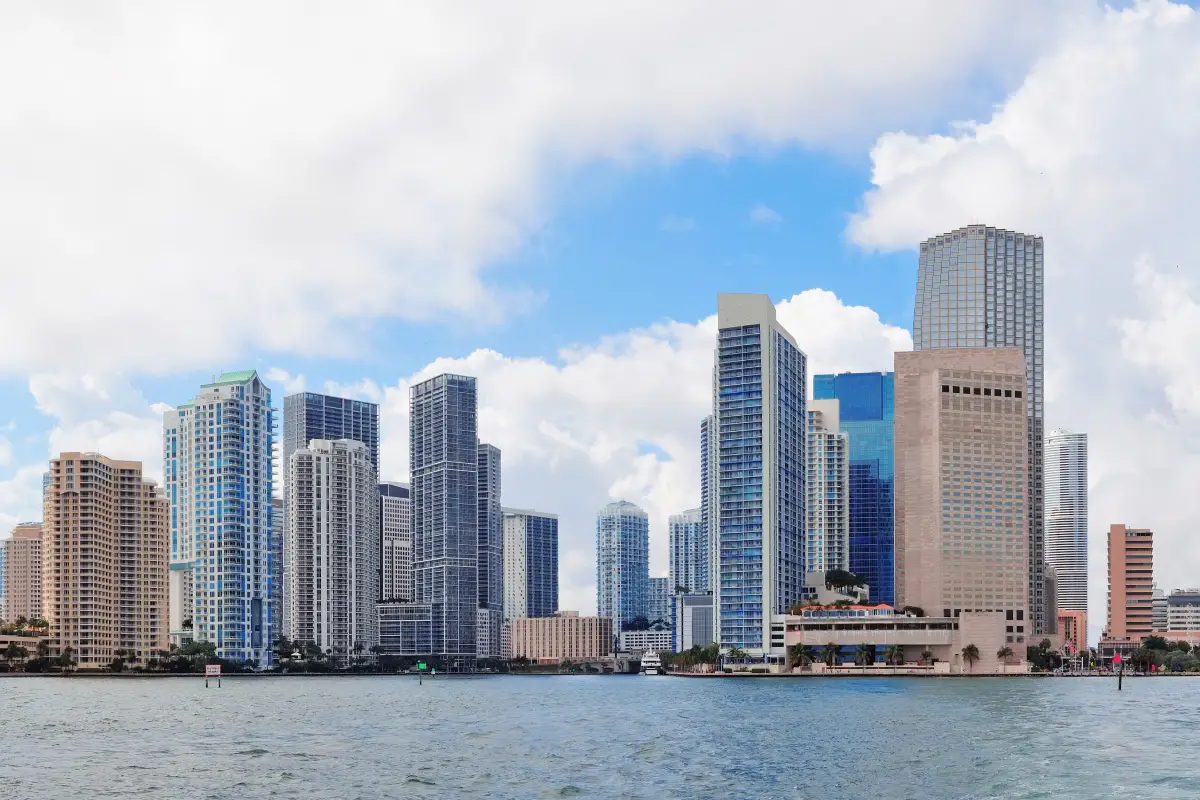
Market trends vary widely from city to city. What drove strong booking patterns in one coastal area did not always apply to inland destinations.
Verified platform metrics from AirDNA market tracker updates highlight these regional variations:
- Miami Metro: Tracked an average daily rate of approximately $263 alongside lower active supply.
- Orlando: Recorded 61 percent average occupancy, supported by consistent domestic family travel.
- Sarasota and Gulf Coast: Logged average daily rates between $353 and $356 across coastal listings.
- Florida Keys: Averaged roughly $499 per night, reflecting tight geographic inventory constraints.
Evaluating the best cities in Florida for Airbnb requires looking at local occupancy rates, pricing patterns, and neighborhood conditions rather than relying on statewide averages.
What Florida Rental Owners Can Learn From 2026
Property owners can pull clear, practical lessons from 2026 market patterns. You can use these insights to plan ahead:
- Monitor local data: Track specific short-term rental Florida news and neighborhood booking data rather than broad statewide headlines.
- Plan around seasonal shifts: Review how traveler interest moves between winter snowbird months and summer family trips.
- Track event calendars: Follow local stadium schedules and city gatherings to capture dates with genuine compression.
- Identify guest segments: Understand whether your home appeals to domestic families, remote workers, or international event attendees.
- Compare equal timeframes: Always compare matching months across years so seasonal changes do not distort your numbers.
- Review operational costs: Factor in cleaning fees, insurance, and maintenance coordination against your true gross revenue.
- Check property rules: Review condominium rules and municipal guidelines before altering your calendar or hosting terms.