What Qualifies as a Short-Term Rental in Davie, Florida?
The Town of Davie regulates vacation rentals through its Vacation Rental Registration Program. The program follows the definitions in Chapter 16, Article IX of the Town Code and Section 509.242 of the 2026 Florida Statutes.
As the Town states, a vacation rental includes units in a condominium or cooperative, and certain one to four-family houses or dwelling units, that are rented to transient occupants:
- More than three times in a calendar year, for periods of less than 30 days or one calendar month (whichever is less); or
- When the property is advertised or held out to the public as a place regularly rented to transient occupants.
The definition also covers transient public lodging establishments as defined in state law, other than timeshare projects. For the full definition, see the Town’s Vacation Rental Registration Program page. It is the official source, and it takes priority over any summary, including this one.
Rental terms are often used loosely. In everyday conversation, “Airbnb,” “vacation rental,” “furnished rental,” and “short-term rental” may overlap, but state law and local regulations have their own definitions. The label you use does not determine whether the rules apply to your property. If you’re researching short-term rentals in Davie, FL, start with the Town’s definition of a vacation rental and check how it applies to your specific rental plans.
Does Davie Require a Vacation Rental Registration or License?
Davie operates a Vacation Rental Registration Program. Under the program, a vacation rental must first be licensed by the Florida Department of Business and Professional Regulation (DBPR) before the Town will accept a completed registration application.
Several separate steps are involved, and each one is distinct:
- State licensing: The applicable DBPR license for a transient public lodging establishment or vacation rental.
- Local registration: The Town of Davie’s vacation rental registration process.
- Tax registration: Applicable state and county tax registrations or accounts.
- Property-specific requirements: Any other restrictions or approvals that may apply to your address or property type.
Completing one step does not necessarily satisfy the others and there is no single universal license that covers every obligation.
How to Register a Vacation Rental in Davie

Registration follows a clear sequence. Confirm each step against the Town’s current application and your own circumstances, since requirements can change.
Confirm the Property’s Eligibility
Before handling furnishing, photography, or advertising, check first whether your property can operate as a short-term rental. Ask the relevant town department whether short-term rental use is workable for your specific address and property type.
Zoning, property use, community rules, such as HOA (Homeowners Association) or condominium documents, and other local restrictions may also affect whether a rental arrangement can operate at all. Being able to obtain a license or registration does not by itself mean a property is automatically eligible for vacation rental use.
Obtain the Required State License
The Town’s guidance calls for the applicable DBPR license before it accepts a completed local application. Review the Florida DBPR vacation rental licensing guide, confirm the correct license category for your property (DBPR classifies vacation rentals as condominiums or dwellings), and follow DBPR’s current application steps.
Prepare the Local Registration Application
The Town’s registration page lists the documentation it expects. Items include:
- Vacation Rental Registration Application and Affidavit of Compliance
- Proof of property ownership
- Agent authorization, if applicable
- Corporate documents, when applicable
- An exterior sketch of the property showing structures, recreational features, and off-street parking
- An interior floor sketch identifying rooms, exits, hallways, stairways, and applicable safety equipment
- State and county licensing or tax documentation, including your DBPR license and Broward County tourist tax documentation.
The exact list depends on the current application and your circumstances, and this list is not a substitute for the application itself. Use the Town’s official page and its vacation rental application packet as your checklist.
Submit the Application and Applicable Fee
Follow the Town’s current submission instructions and pay the applicable registration fee. The Town’s fee schedule lists separate fees for full-year and half-year registration, renewals, inspections, late registration, and changing the rental agent.
The Town also states that fees are non-refundable. Because fees and procedures can change, check the Town’s current fee schedule before you apply rather than relying on any amount quoted in an article.
If you have questions about the program, the Town’s Code Compliance Division can help. You can contact them if you are unsure whether your property is covered or what to submit.
What Taxes and Registrations May Apply to Davie Short-Term Rentals?
Tax obligations for short-term rentals in Davie are separate from Town registration. The sections below cover the state and county requirements to check.
Florida State Tax Requirements
Check applicable sales tax and related registration requirements with the Florida Department of Revenue. The Town’s application asks for your Florida Department of Revenue license or tax account. If you don’t have one, you must give the name of the entity that will remit the taxes instead.
Do not assume a booking platform collects and remits every tax for you. Platforms handle taxes differently, and some taxes may still be your responsibility to register for, collect, and file. Confirm what each platform covers, and keep track of the obligations that remain with you.
Broward County Tourist Development Tax
Because Davie is in Broward County, qualifying short-term rentals there may be subject to the County’s Tourist Development Tax. As of this writing, the rate is 6 percent of the total rental charge on rentals of six months or less, including single-family homes and condominiums.
The person collecting the rent registers with the County’s Tourist Development Tax Section and files a return, even for months when no tax was collected. According to the County, late returns carry penalties, and registrants may also be required to obtain a Broward County Local Business Tax Receipt.
Longer stays are not automatically exempt. A rental longer than six months needs a bona fide written lease, or the first six months are also taxed.
For current requirements, registration, and filing schedules, see the Broward County Tourist Development Tax page. For the countywide picture, see our guide to short-term rental regulations in Broward County.
Keep Accurate Rental Records
A practical habit, regardless of how your taxes are handled, is to keep organized records of:
- Bookings and rental income
- Taxes collected and remittances made
- Registration and license documents
- Relevant correspondence with the Town, County, and State.
The Broward County Tourist Development Tax Section states that records must be kept for three years and made available for an audit. Keeping your files organized makes it easier to find what you need if the County asks for them.
Property Safety and Operating Requirements

For short-term rentals in Davie, FL, registration is only the first step. Rental owners also have ongoing responsibilities once guests arrive.
Safety Inspections and Property Documentation
The Town’s registration program includes safety inspections, and the full-year registration fee covers two initial inspections. The application also asks owners to sign an Affidavit of Compliance and allow Town staff to inspect the property before and after approval. Review the Town’s current application for specific standards.
Parking, Layout, and Property Features
The Town’s guidance requires the property’s exterior sketch to identify structures, pools, spas, fencing, recreational areas, and off-street parking, with parking spaces delineated so they can be counted. The interior sketch shows bedrooms, other rooms, exits, hallways, stairways, and safety equipment.
Make sure what you submit reflects the property as it actually exists today, and update your documentation if the layout or features change.
Ongoing Maintenance and Guest Management
Beyond the formal requirements, many owners find it helpful to stay on top of day-to-day operations. That can include keeping the property safe and well maintained, responding to maintenance issues promptly, communicating clearly with guests, and addressing neighbor concerns.
These are general best practices, not legal requirements. Owners who would like help with this workload can explore vacation rental management in Broward County.
What Happens if a Vacation Rental Does Not Meet Davie’s Requirements?
The Town states that a person violating the cited code provisions may be issued a notice by Town Code Enforcement or the Police Department. Currently, each violation may carry a maximum civil penalty of up to $500. That is a ceiling, not an automatic outcome for every situation.
The best way to avoid violations is to confirm the requirements before you host and keep your documents current. If you are unsure about a requirement, the Town’s Code Compliance information is a good place to start.
Can You List a Property on Airbnb in Davie, Florida?
Many owners ask whether they can list on Airbnb in Davie, Florida. A platform accepting your listing does not mean your property meets local or state requirements. The same questions apply on Airbnb, Vrbo, a direct booking site, or anywhere else you advertise.
There is no blanket answer that Airbnb-style rentals are universally permitted or prohibited in Davie. Before listing, confirm:
- Whether the proposed rental use is permitted for your specific property
- Which DBPR license and Town registration requirements apply
- Which tax registrations, collection duties, and filings apply
- Whether applicable safety, inspection, and operating standards have been addressed
- Whether any property-specific restrictions affect your plan
Short-Term Rentals vs. Mid-Term and Traditional Long-Term Rentals
Rental length affects who stays in your property, how much management it needs, and which rules and taxes may apply. The table below is a general comparison, not a list of exemptions, so confirm how your specific arrangement is treated.
>
| Short-term rental | Mid-term rental | Traditional long-term rental | |
| Typical stay | Often under 30 days, the length range used in the Town’s vacation rental definition | Often one to several months | Typically a year or longer under a lease |
| Guest or tenant expectations | Vacation-style stays, with guests who often expect furnishings and quick responses | Longer stays, often for guests who need a temporary home | Residential tenants who expect a stable home and a lease |
| Management workload | More turnovers, guest communication, and pricing updates | Fewer turnovers, with ongoing guest communication and planning for gaps between stays | Fewer turnovers, with a focus on lease administration and maintenance requests |
| Davie registration and licensing | May fall under the Town’s Vacation Rental Registration Program and DBPR licensing | Depends on how often the property is rented and how it is advertised; confirm with the Town | Depends on the rental pattern and how the property is advertised; confirm with the Town |
| Broward tourist tax | May apply to rentals of six months or less | May apply to stays of six months or less | Depends on lease terms; the County requires a bona fide written lease for rentals longer than six months |
Duration alone does not guarantee that a property or arrangement falls outside local rules. The Town’s definition looks at how often a property is rented, for how long, and how it is advertised, so check how it applies to your plan.
Furnishing and rental length are separate decisions. A furnished home can be offered under different rental arrangements, and a traditional lease can include furnished accommodation, so “furnished” does not mean “short-term.” Furnishing is part of preparing the property, while the length of stay determines the type of rental.
If you want to compare models, see Guestable’s overview of short-term rental management and mid-term rental management.
How Property Management Can Support Davie Rental Owners
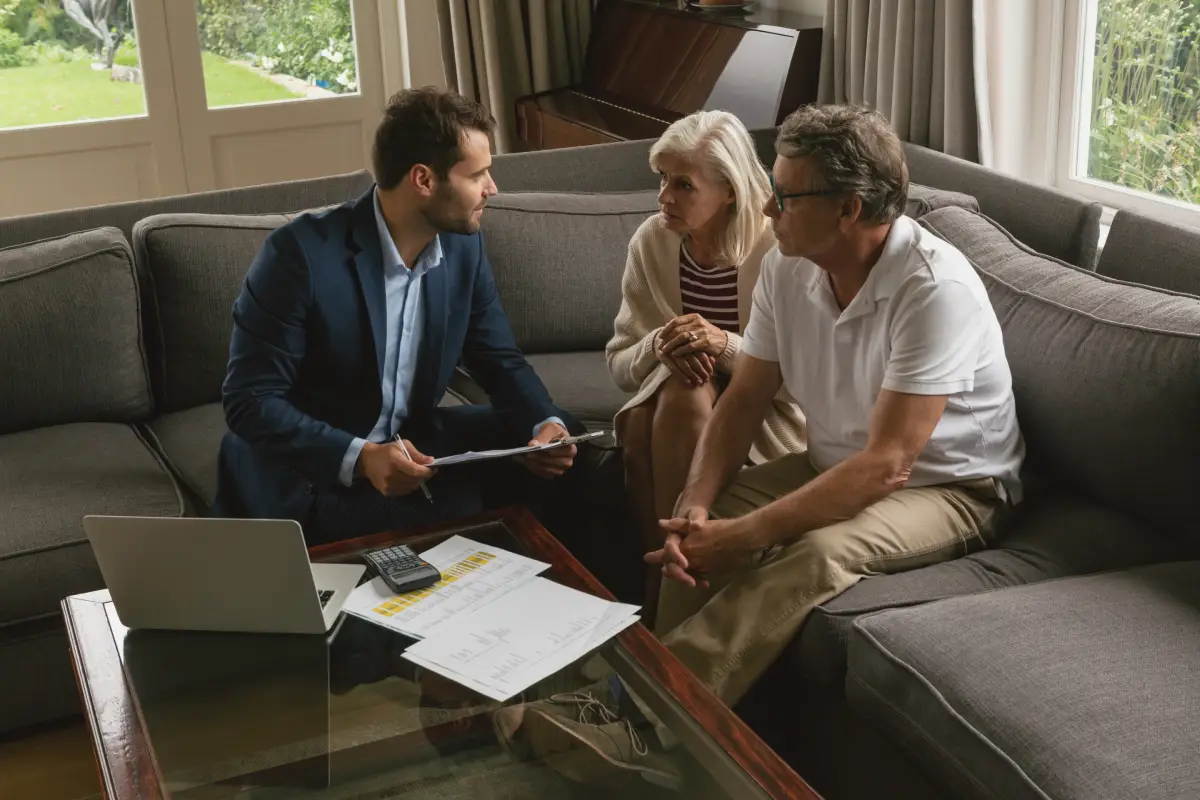
Owning a rental means regulatory homework first and day-to-day operations after that. A property management company can help with the operational side, such as:
- Coordinating guest communication and reservation-related processes.
- Organizing property upkeep and maintenance coordination.
- Supporting pricing and property revenue management.
- Helping owners understand the practical steps involved in preparing and managing a rental.
- Providing support that fits the owner’s chosen rental strategy, including virtual property management options.
A management company supports operations. It does not replace government approvals, override local restrictions, or remove an owner’s legal responsibilities, and no manager can promise occupancy levels, specific income, or regulatory approval. Owners should still confirm eligibility, licensing, registration, and tax requirements for their property.
If you are ready to explore local options, learn more about Davie property management and our broader property management services.
Conclusion: Verify the Requirements Before Hosting in Davie
Getting answers before your first guest arrives helps you start hosting with fewer surprises. Checking eligibility, licensing, registration, and tax requirements up front can save you time and rework, and it helps you plan your costs and preparation with more confidence. Use this guide to Davie short-term rental regulations as a starting point for the questions to ask.
Once you know what applies to your property, the next question is how you want to operate it day to day. Guestable can help with the operational side of managing a rental, including guest communication, maintenance coordination, dynamic pricing, and revenue management. That said, you remain responsible for confirming and meeting the regulatory requirements that apply to your home.