Accessibility isn’t just a ramp or a grab bar. For a guest who uses a wheelchair, a stay depends on every step of the route. That includes where they park, how they reach the door, whether they can move between rooms, and whether the bathroom works for them. A single accessible feature isn’t enough on its own.
That’s why owners hoping to welcome more guests with mobility needs, should understand the property’s actual accessibility features and limitations. It is essential to communicate those details clearly, so each guest can decide whether the property meets their individual needs.
This Guestable checklist covers each stage of a guest’s stay, from arrival to bathroom access, and shows you how to document and describe it accurately in your listing. Think of it as a practical guide for understanding and describing your property, not as a certification or a legal assessment.
What Makes a Vacation Rental Accessible?
An accessible vacation rental has features that make it easier for guests with mobility, visual, hearing, or other accessibility needs to get around and use the space.
Wheelchair accessibility in a vacation rental depends on the property’s entrance, pathways, doorways, bathroom, sleeping areas, parking, and other features that affect how a guest can move through and use the property. Accessibility comes from how a property’s features and the route through it work together, rather than from any single amenity. Common considerations include:.
- Step-free access
- Doorway width
- Clear pathways
- Bathroom configuration
- Parking access
- Bed and furniture placement
- Lighting
- Accessible controls
- Elevators, where applicable
Needs may vary by guest, by mobility device, and by property layout. A rental that works well for one guest may not work for another, and applicable standards differ depending on the property and its legal context.
Vacation Rental Accessibility Checklist
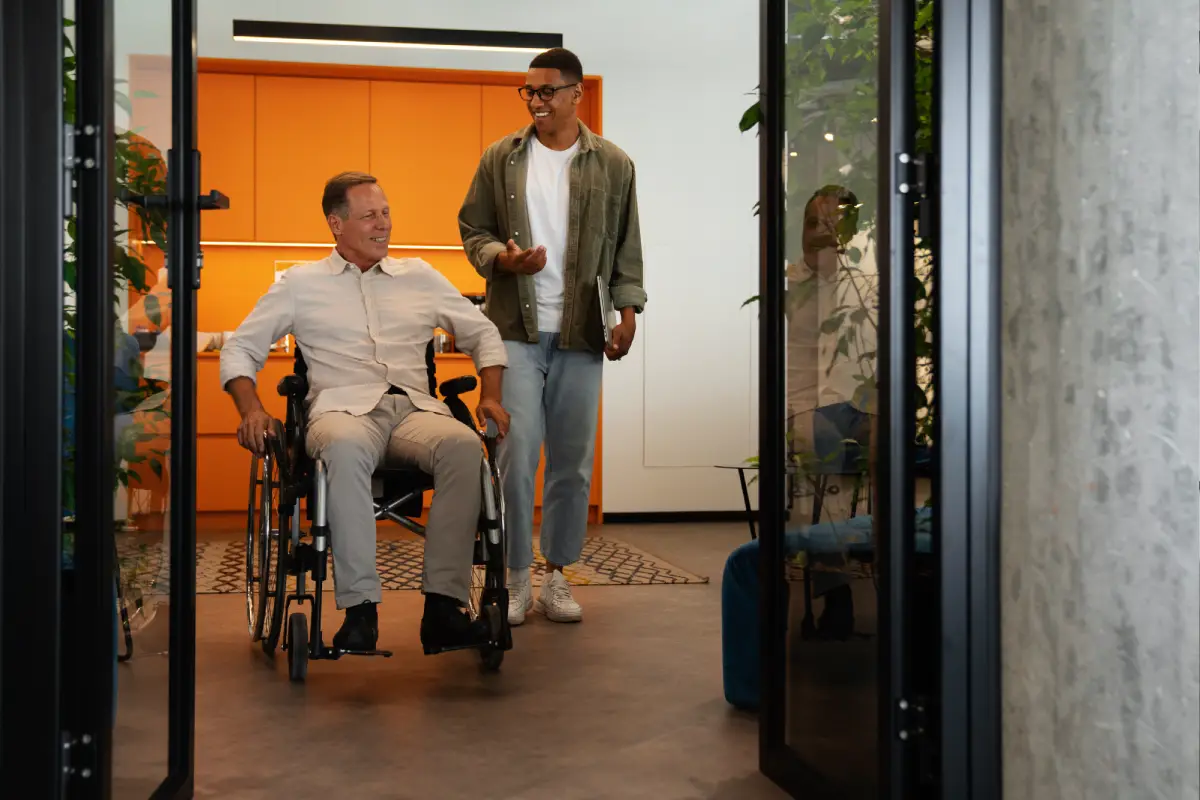
Work through the property in the order a guest would experience it. For each item, record what you find, so guests get accurate details
Parking and Arrival
Check:
- Accessible parking availability, where applicable
- Distance between parking and the entrance
- Drop-off area
- Surface condition (gravel, grass, pavers, pavement)
- Slopes or uneven ground
- Curb cuts or changes in elevation
- Lighting around the entrance
If the unit is in a building or complex, also consider the building entrance, elevator access, hallway pathways, and door access.
Describe your parking based on what you’ve verified. Note the distance to the entrance, the surface, and any slopes or curbs along the way, so guests can see how the full path from the car to the door will work for them
Entrance and Doorways
Document:
- Steps at the entrance
- Ramps
- Doorway width
- Thresholds
- Door-opening direction
- Door hardware
- Space to approach and open the door
If there’s a ramp, describe it in detail so guests know what to expect. Note where it is, what the surface is like, and any measurements you’ve verified, such as length, width, and slope.
Interior Pathways
Ask whether a wheelchair user can reasonably move between commonly used areas. Check:
- Hallway width
- Clear floor space
- Furniture placement
- Rugs or other obstacles
- Narrow transitions
- Changes in floor level
- Doorway access between rooms
Walk the full route between rooms, not just the rooms themselves. Check the halls, turns, and doorways along the way, so you can describe how easily a guest can get from one space to the next. Furniture and rugs can shift between stays, so consider adding a quick route check to your vacation rental cleaning checklist to keep pathways clear for the next guest
Bathroom Accessibility
Bathrooms are often the most important room for a guest to understand before booking. Document:
- Step-free shower access
- Tub versus shower configuration
- Shower seating
- Grab bars
- Toilet location and space around it
- Sink access and faucet controls
- Door clearance
- Floor surface
- Lighting
If you’re considering changes such as grab bars or plumbing modifications, consult qualified professionals.
Bedroom and Sleeping Areas
Consider:
- Clear path to the bed
- Space around the bed
- Bed height
- Doorway access
- Closet access
- Lighting controls
- Space for mobility equipment
- An accessible route to the bathroom
Measure and note your bed height so guests can compare it with what works for them. Needs vary from guest to guest, so the most helpful thing you can offer is accurate information. Published standards, such as the 2010 ADA Standards for Accessible Design, describe clearances and dimensions for covered facilities. They may not apply to your property, so treat them as background reference, not a target.
Kitchen and Dining Areas
If the property has a kitchen, assess:
- Clear pathways
- Counter and sink access
- Appliance access
- Cabinet placement
- Dining table clearance and seating arrangement
- Controls and handles
Describe the kitchen features guests will use, such as counter and sink access, appliance placement, and the space to move around. This helps guests picture how the kitchen will work for them.
Stairs and Changes in Elevation
Document:
- The number and location of stairs
- Alternative step-free routes
- Elevators
- Ramps
- Thresholds
- Split-level areas
List which areas are reachable without stairs, especially in multi-level rentals.
Accessibility in short-term rental stays often comes down to practical details. This includes how a guest gets in, moves around, and uses the bathroom, and how clearly those details are shared before booking.
How to Describe an Accessible Vacation Rental in a Listing
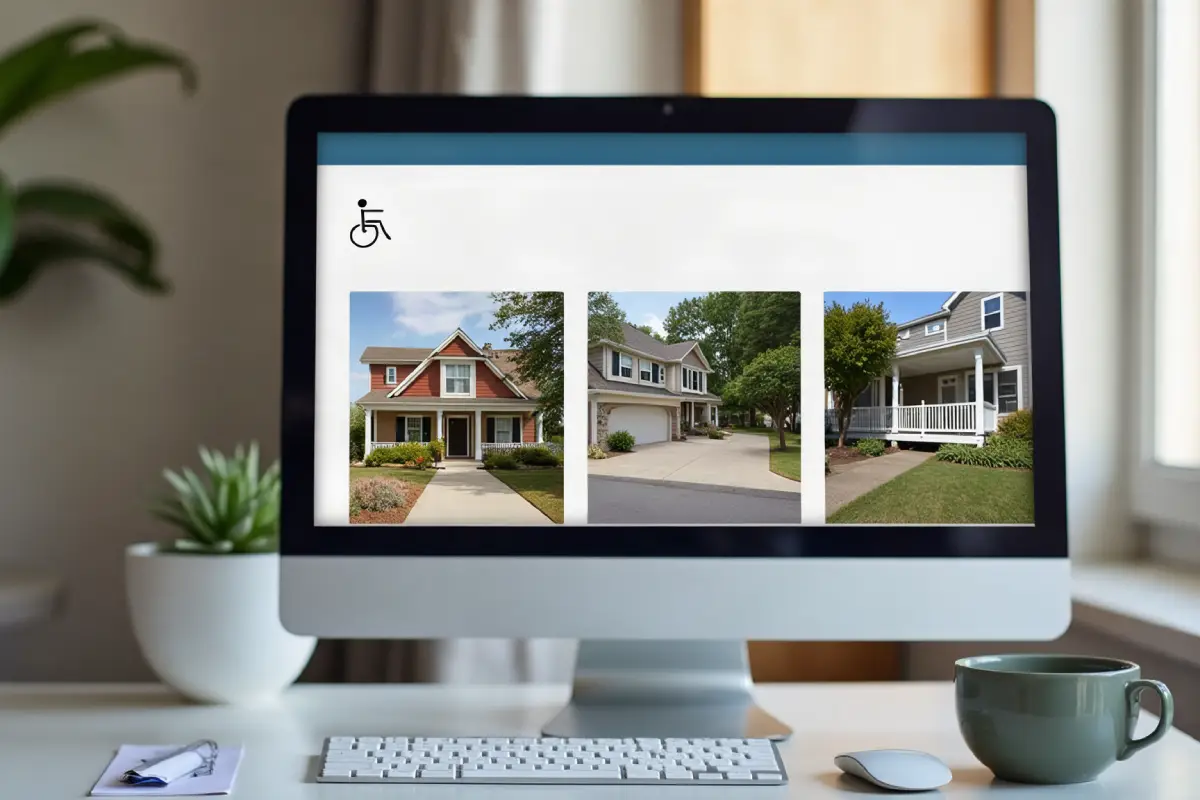
Specific details for handicap-accessible vacation rentals can help each guest see what your property actually offers. Telling guests about the entrance, including whether there are steps, helps them arrive knowing what to expect.
Instead of stating “fully accessible vacation rental” on your listing, consider documenting:
- Step-free entrance
- Entrance measurements, where verified
- Number of steps to each level
- Elevator availability
- Bathroom configuration and shower type
- Parking arrangement
- Bedroom access
- The accessible route through the property
- Any known limitations
Accessibility looks different for every guest, so broad claims like “100% accessible” or “suitable for everyone” are best used only when you have a specific, authoritative basis. Sharing limitations alongside features can help guests find a good match.
A Note on Standards and Legal Requirements
Whether the Americans with Disabilities Act (ADA) applies to a particular rental depends on the facts, such as the type of property, how it is operated, and how long guests typically stay. The legal definitions are in the ADA’s Title III regulation. Its definition of “place of lodging” in § 36.104 focuses on facilities with guest rooms for stays that are primarily short-term (generally 30 days or less), offered under conditions and with amenities similar to a hotel, motel, or inn. It also includes exceptions, so it’s best read in full.
For a plain-language overview, the ADA National Network’s accessible lodging fact sheet summarizes how these requirements apply to places of lodging. It is for supporting guidance only, not the legal authority itself.
Every property is different, a qualified attorney can help you understand your specific situation. This article offers general information, not legal advice, and our checklist can’t confirm ADA compliance. Guestable provides operational support, not legal advice or accessibility certification. Documenting and describing your property accurately is helpful either way.
Accessibility Improvements Vacation Rental Owners Can Consider
You can start with simple updates and decide on larger changes as your property and budget allow. Options include:
- Improving lighting
- Removing unnecessary pathway obstacles
- Repositioning furniture
- Improving signage or property instructions
- Adding appropriate accessibility equipment where suitable
- Addressing uneven pathways
- Improving bathroom accessibility
- Reviewing entrance access
- Making accessibility information more detailed
Many of these updates are simple and low-cost, and some are about sharing better information rather than changing the property. For larger projects, such as structural changes, electrical or plumbing work, ramps, or grab-bar installation, qualified professionals can help make sure the work is done safely and correctly.
Once you’ve made updates, keep your furnishing choices aligned with them. Our guide on how to furnish a short-term rental can help you think through layout and equipment, while our guest essentials checklist covers the basics every stay needs.
Accessibility Checklist for Vacation Rental Owners
Use this as a final summary after completing the room-by-room review above.
- Arrival and parking areas assessed
- Entrance and doorway access documented
- Interior pathways checked
- Stairs and elevation changes identified
- Bathroom accessibility reviewed
- Bedroom access reviewed
- Kitchen and dining areas assessed
- Lighting and controls checked
- Accessibility features photographed
- Relevant measurements verified
- Accessibility limitations documented
- Listing information updated
- Information reviewed periodically as the property changes
Accessibility and Professional Property Management

Guestable’s property management services can help owners with day-to-day operations, maintenance coordination, listing information, and guest communication. With full-service vacation rental management, owners can get support keeping property details current and responding to guest questions.
Accessibility information should still come from the actual physical characteristics of the property. Professional management does not certify a property as accessible, guarantee compliance, guarantee accessibility for every guest, or determine an individual’s needs. Guestable provides support for
Final Takeaway
Creating a more accessible vacation rental starts with understanding the property’s actual features and limitations. Assess the entire guest journey, document specific accessibility features, photograph important areas, and communicate limitations clearly.
The goal isn’t to label a property “accessible.” It’s to give potential guests enough accurate information to decide whether it fits their individual needs.