
Self-hosting is a gamble in a city with such strict rules. A single error can cost you your permit or land you with expensive legal fees. Short term rentals in Miami are highly profitable but require strict legal compliance to succeed.
The mix of local zoning and state rules often leaves owners feeling lost in a maze. How do you know if your property is even allowed to host guests? Guestable provides the clarity you need to run a successful business without the stress. Our Airbnb property management team will handle every legal detail for you.
Decoding the Laws: Short Term Rentals in the City of Miami
Staying legal in Miami means following three different layers of government rules. These include rules from the state of Florida, Miami-Dade County, and the city itself. You must follow all of them to keep your doors open.
To operate legally, you must have a Certificate of Use and a Business Tax Receipt. These documents prove that your property meets safety and zoning standards. Without them, you risk being shut down by the city. Our team stays updated on the latest Miami short-term rental regulations to protect your investment.
The City of Miami v. Airbnb impact
A few years ago, a major legal battle changed how we host in the city. The courts decided that Miami can ban short term rentals in specific residential neighborhoods. This means you cannot just list any home you own on a website. These City of Miami Airbnb regulations are strictly enforced by local authorities.
Mandatory postings
You must show your permit numbers on every listing page you create. This includes sites like Airbnb and Vrbo. If the city does not see these numbers, they might flag your property for an inspection. Following Miami short term rental laws ensures your listing remains active and visible.
The Miami STR Market Landscape: Trends for 2026
Following Miami travel trends helps us keep your calendar full all year. Miami is always growing and attracting new types of visitors every year. Large Miami events like Art Basel and the Boat Show bring in thousands of people who need places to stay. Using Guestable Airbnb management services means you get professional revenue management. We adjust your prices depending on the demand to make sure you earn the most money possible. You get the benefits of a rental without the stress of being a landlord.
We are also seeing more digital nomads mid-term rentals in Miami as people stay for months at a time. Many owners are now looking into professional mid term rental management to handle these longer stays.
Investors are currently looking toward downtown Miami condos because they often have more flexible rules. Many of these buildings are designed specifically for travelers, much like other popular Miami condos in the area.
We also specialize in the most profitable Airbnb Miami neighborhoods to help you choose the right location for your next investment. There is also a high demand for Miami Beach condos because people want to be near the ocean.
Are short term rentals legal in Miami?
Yes, short term rentals are legal, but only in specific zones called transect zones. Most residential areas like T3 and T4-R are strictly off-limits for these rentals. If your home is a single-family house in these zones, you usually cannot host guests for short stays. It is vital to understand the Airbnb laws in Miami before purchasing a property for investment.
Running short term rentals in Miami, FL requires you to hold licenses from the state and the county. You must also pay the Miami-Dade Tourist Development Tax on the income you earn. This tax helps the local area and keeps your business in good standing. Following all Airbnb rules in Miami is the only way to ensure long-term success.
Mastering the Map: Miami Airbnb Zoning and Transect Zones
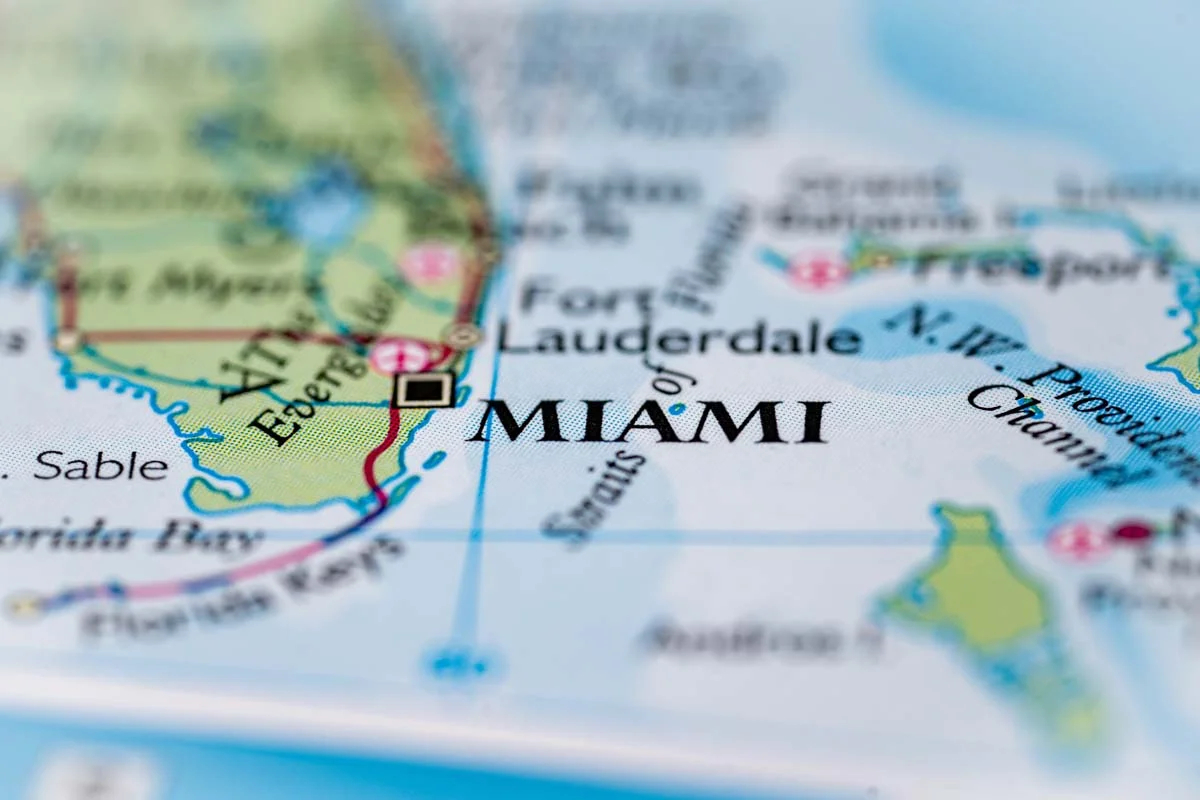
The Miami short-term rental zoning map is the most important tool for any property owner. It shows you exactly where you can and cannot host guests based on the “Miami 21” plan. Understanding these zones prevents you from buying a property that you cannot rent out. You should also consult the Miami Airbnb zoning map to see if your specific street is eligible for hosting.
Understanding T4, T5, and T6 zones
These zones are where you have the best chance of hosting legally. T5 and T6 zones are usually high-density areas that allow for commercial activity. In these spots, hosting is often allowed by right, which makes the process much faster.
The T4-R restriction
The T4-R zoning in Miami is very restrictive for independent hosts. This zone is meant for residential use, and the city does not want travelers coming in and out. Most properties in this zone cannot be used for short term stays.
Apartment hotels and transit zones
The city has a special category for buildings located near major transit lines. These are often called “Apartment Hotels” and have their own set of rules. We can help you find out if your unit fits into this specific category.
Miami Beach short term rental map vs. City of Miami
Be careful because short term rentals on Miami Beach have much tougher rules than the main city. Fines in Miami Beach can reach up to $20,000 for a single violation. Always check the Miami Beach short term rental map or the Miami Beach Airbnb map before you list a property there.
Do I need a license for Airbnb in Miami?
You must have at least four different licenses and registrations to host in Miami legally. You cannot skip any of these steps if you want to avoid fines. We recommend starting this process as soon as you decide to rent your property.
- Florida DBPR Vacation Rental License: This is a state-level requirement for all condos and dwellings.
- Florida Department of Revenue registration: You must register to pay sales tax on your rental income.
- Miami-Dade County Certificate of Use: This is required for any short term rental in Miami.
- City of Miami Business Tax Receipt: This is your local permit to do business in the city.
- Operational Management Plan: This document explains how you will handle noise and parking.
Compliance Checklist: Safety, Taxes, and Operational Rules

Keeping your license active requires constant work and attention to detail. You must follow the Florida Building Code lodging standards to ensure your guests are safe. This includes having the right fire alarms and clear exit paths.
Properties that are three stories or higher need special balcony inspections. You also have to follow Miami Airbnb rules regarding how many people can stay in one room. Managing these details is why many owners choose short-term rental management.
- State sales tax: You must collect and pay 6% to the state.
- Local taxes: There are additional tourist taxes for Miami-Dade.
- Responsible party: You must have someone available 24/7 to handle guest issues.
- Airbnb furniture: High-quality design helps you stay competitive and meets safety standards.
Professional Airbnb managers from Guestable act as your reliable and responsible party. We take late-night phone calls, so you do not have to. We also ensure your property stays in top shape for every guest.
Maximizing ROI: Why Professional Airbnb Management is the Secret to Success
Trying to follow every city of Miami short term rental law on your own is risky. One small mistake can lead to your permit being revoked or high legal fees. Hiring an Airbnb management company that knows the Miami Airbnb laws inside and out protects your investment and saves you time.
We provide expert Airbnb management in Miami Beach and surrounding areas, covering everything from screening guests to handling maintenance calls. We also offer specialized Airbnb management in Miami, Airbnb management in Hallandale Beach, and Airbnb management in Sunny Isles Beach. These local teams know the specific rules for each neighborhood to keep your home safe.
If you have homes in other areas, we also provide Airbnb property management in Broward County and even Kirkland property management. Our reach even extends to Airbnb management in Gustavia for international luxury stays. We handle the hard work so you can focus on growing your portfolio.
Stay Compliant and Profitable: Next Steps for Miami Airbnb Owners

The rules for short term rentals in Miami are strict, but the rewards are worth it. By following the zoning maps and getting the right licenses, you can build a very successful business. Remember to check your specific zone and keep your permits updated every year.
Ready to turn your Miami property into a high-yield, fully compliant short-term rental?
Contact the experts at Guestable today for a free consultation. Let us handle the regulations while you enjoy the returns.