
Owning property in South Florida offers a high-stakes path to wealth, but a single compliance oversight could trigger a financial disaster. In Miami Beach, an illegal listing can lead to fines of $20,000 or more for just one violation. While the revenue from short term rentals in Miami Beach is very high, the local government has some of the strictest rules in the country.
Short term rentals in Miami Beach are only legal in specific zoning districts and require four different licenses to operate. If you want to build a successful hosting business without the fear of legal trouble, you must understand how these rules work.
As an Airbnb management company, Guestable can help you manage the Miami Beach short-term rental regulations so you can focus on your guests. Many owners choose to partner with us to ensure their investments stay safe and profitable. Keep reading to learn how to keep your property legal and profitable while avoiding the city’s most expensive penalties.
Miami Beach Short-Term Rental Regulations: Zoning and Legality
You cannot offer a rental for less than six months and one day in most parts of the city. The Miami Beach short term rental zoning map shows that hosting is generally banned in single-family home neighborhoods. These areas include zones labeled as SF, SD-B, and RM-1 on the official map.
If you own a property in a Commercial or Mixed-Use (MXE) zone, you are in luck. These areas, along with high-density residential zones like RM-2 and RM-3, often allow for shorter stays. Areas like the North Beach Town Center are also open to these types of rentals. You must check your specific zone before you buy a property or start a listing.
How to use the Miami Beach short term rental zoning map to identify eligible zones
To find out if your property is eligible, you should visit the city website to view the interactive zoning map. You can type in your address to see your specific code. If your property is in a Commercial-Mixed-Use (CMU) zoning area, you likely have the right to host.
Buildings that allow short-term rentals in Miami Beach
Many travelers look for Miami Beach condos when they visit the area. Here are some building types that often allow for shorter stays:
- Condo-hotels that have a front desk and hotel license
- Apartment-hotels in the Entertainment District
- Buildings in the North Beach Town Center area
- Specific luxury high-rises in South Beach
Miami Beach Short Term Rental Zoning Explained
Understanding where you can legally host is the first step to avoiding a $20,000 fine. The city enforces strict boundaries through the Miami Beach short term rental zoning map. Generally, short term rentals in Miami Beach are permitted in high-density areas and commercial districts, but they are strictly prohibited in single-family residential neighborhoods.
- Eligible Zones for STR Operations: Most legal hosting occurs in the Entertainment District, North Beach Town Center, and areas zoned as Commercial-Mixed Use (CMU), RM-2, and RM-3. These zones are designed for high-density tourism and transient stays.
- Restricted Residential Areas: Hosting is almost universally banned in single-family home neighborhoods, specifically zones labeled SF, SD-B, and RM-1. In these “restricted residential” areas, rentals must be for a minimum of six months and one day.
- How to Interpret the Miami Beach STR Zoning Map: When viewing the official map, you must locate your specific parcel. Even if your building is across the street from a legal zone, your specific zoning code determines legality. Never assume your property is eligible without a formal zoning verification.
Unsure where your property stands on the zoning map? We’re happy to take a look and help you map out a strategy that keeps you both legal and profitable.
Is Airbnb Legal in Miami Beach?
Yes, but it depends on your specific location and your licenses. To stay legal, you must follow all Miami Airbnb laws and display your permit numbers on every listing. If you do not show these numbers, the city can fine you, and the platform might remove your page.
Every host needs to follow the City of Miami Airbnb laws, which require a Business Tax Receipt and a Resort Tax number. These numbers prove that you are paying your fair share of taxes to the city. The answer to the question “Is Airbnb legal in Miami Beach?” also depends on the HOA or condo board rules of your unit. Even if the city says yes, your building might say no. Working with Airbnb experts and professional Airbnb managers can help you check these private rules before you start.
Where Are Short Term Rentals Allowed in Miami Beach?
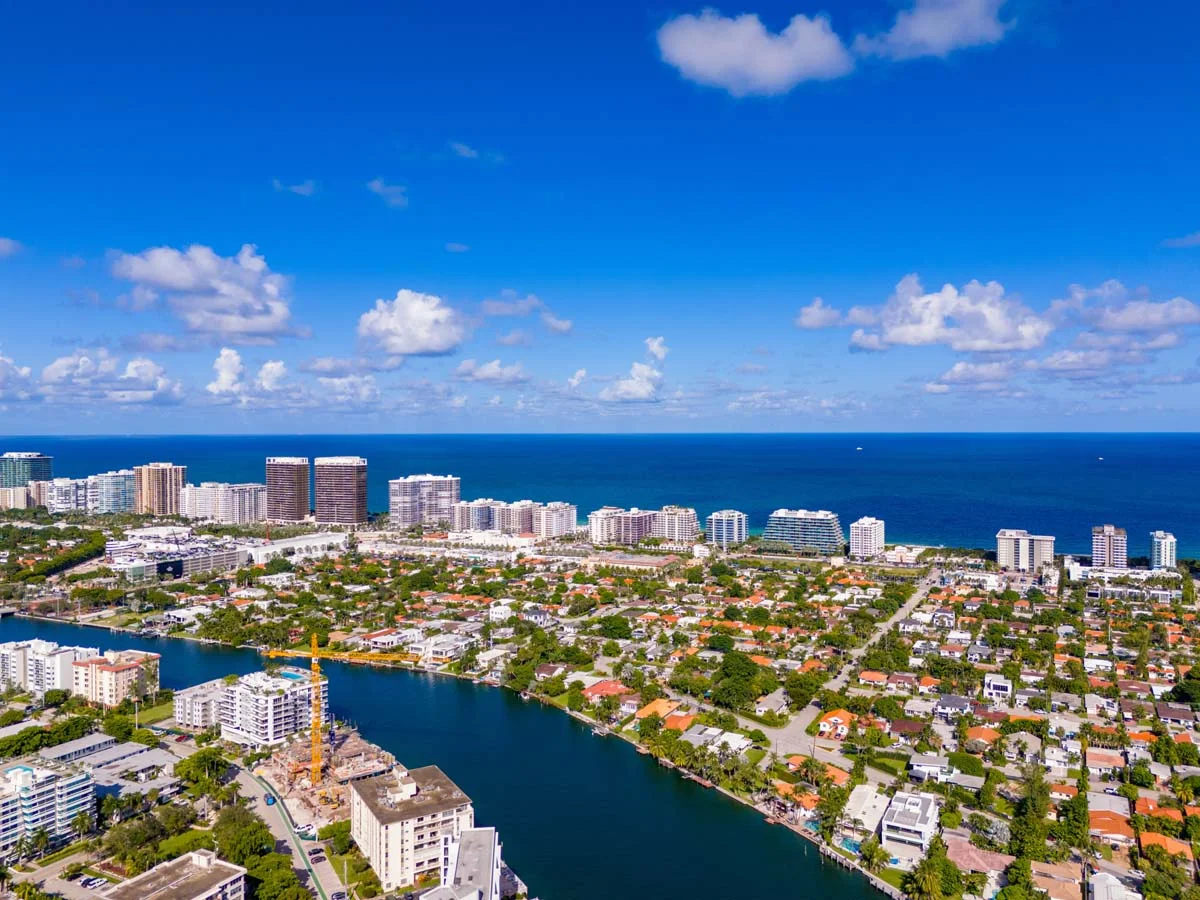
The city allows hosting in areas that are built for tourists and high-density living. You will find that short term rentals in Miami are easier to find in neighborhoods like South Beach, specifically in the Entertainment District. These spots are popular because they are close to the ocean and major attractions.
We also manage properties in other Airbnb Miami neighborhoods where the rules are slightly different. For example, we offer Airbnb management in Bal Harbour and manage condos in Hollywood, Florida, for our clients. Because Miami travel trends change every year, being in the right zone is the best way to keep your occupancy high during big Miami events. Our professional Airbnb management in Miami ensures your property is visible to these seasonal travelers. Our dedicated team provides you with a professional vacation rental manager who understands the nuances of the local market.
Before you start, use this list to check your property:
- Check the city zoning map for your address
- Review your condo bylaws for rental restrictions
- Verify that you can get a state lodging license
- Confirm you have a local property manager on Airbnb available at all times
Step-by-Step Compliance: Obtaining Your Miami Beach Airbnb License

Getting your paperwork in order is the most important part of being a host. You must start by getting a state license from the Florida DBPR. After that, you need to apply for your city permits and pay your fees. Using an Airbnb management service can streamline this process.
- Secure a State Vacation Rental Dwelling License: This is required for any unit rented more than three times a year.
- Apply for a Business Tax Receipt (BTR): This is your official permission to do business in the city.
- Register for a Resort Tax Certificate: You must collect and pay transient occupancy taxes to the city.
- Get a Miami-Dade County Certificate of Use: This involves a Certificate of Use inspection to ensure your unit is safe.
The cost of non-compliance
Miami short term rental laws and fines The city is very serious about Miami Beach Code Compliance. If you rent out a property illegally, the fines are much higher than in other cities. Following Miami short term rental laws is critical to your bottom line.
- First Violation: $20,000
- Second Violation: $40,000
- Third Violation: $60,000
Occupancy limits and operational management plans (OMP)
You must also follow Miami short-term rental regulations regarding how many people can stay in your home. The city usually limits stays to two people per bedroom. You must also submit an OMP that explains how you will handle noise and trash. Adhering to these Miami short-term rental regulations prevents neighbor complaints. Reach out to our short term property management company and see how we can help you grow your business while staying compliant.
Taxes and Compliance Requirements for Miami Beach Hosts
Operating a legal business means staying on top of your financial and operational obligations. To remain compliant with Miami short term rental laws, every owner must manage multiple tax and reporting layers.
- Tourist Development Taxes: Beyond standard income tax, hosts are responsible for collecting and remitting a 6% State Sales Tax and a local Resort Tax. These funds support local tourism and infrastructure.
- Reporting Requirements: You are required to maintain accurate records of all stays and provide your permit numbers on every digital platform, including Airbnb and VRBO. Failure to display these permit numbers can trigger an automatic audit.
- Operational Compliance Rules: The city requires an Operational Management Plan (OMP). This document must outline how you handle noise complaints, trash disposal, and guest parking. Furthermore, you must have a local contact person available 24/7 to respond to any issues within the property.
Penalties for Illegal Short Term Rentals in Miami Beach
Miami Beach is known for having some of the most aggressive enforcement protocols in the United States. The city utilizes a dedicated team of code compliance officers to monitor listing sites and investigate neighbor complaints regarding short-term rental regulations.
- Fines and Penalties: The financial stakes are incredibly high. A first-time violation for an illegal listing or operating without a license starts at $20,000. Subsequent violations increase to $40,000, $60,000, and can reach up to $100,000 for habitual offenders.
- Permit Revocation: If you have a legal permit but fail to follow occupancy limits or noise ordinances, the city can revoke your right to host. Once a permit is revoked, it is notoriously difficult, and sometimes impossible, to have it reinstated.
- Enforcement Actions: Beyond fines, the city has the power to issue “Cease and Desist” orders and can even initiate litigation against property owners who refuse to comply with Miami Beach short-term rental regulations.
Scaling Success With Guestable: The Best Airbnb Property Management in Miami Beach

Vacation rental management on your own in this city is difficult and risky. When you look at short term rental vs long term rental income, the short-term option often makes more money but requires much more work. One of the main benefits of property management is the peace of mind that comes with total compliance. Our team at this Airbnb rental management company handles everything from the BTR application to guest communication.
We provide Guestable Airbnb management services that take the stress out of owning a rental. We work with real estate brokers, insurance adjusters, and real estate operators to maximize their returns. By using our short term rental management expertise, you can enjoy your profits without worrying about a surprise fine. As one of the top Airbnb management companies, we offer a solution for everyone. Whether you need mid term rental management or virtual property management, we have a solution for you. We provide the most comprehensive Airbnb property management in the region.
We are a premier short term rental company and one of the leading short term rental management companies in Florida. We provide the most comprehensive property management for Airbnb in the region.